Bangkok for digital nomads
The DTV gives five years and 180 days an entry, and it got stricter in August 2026. What a month costs in baht, the neighbourhoods, and the honest downsides.
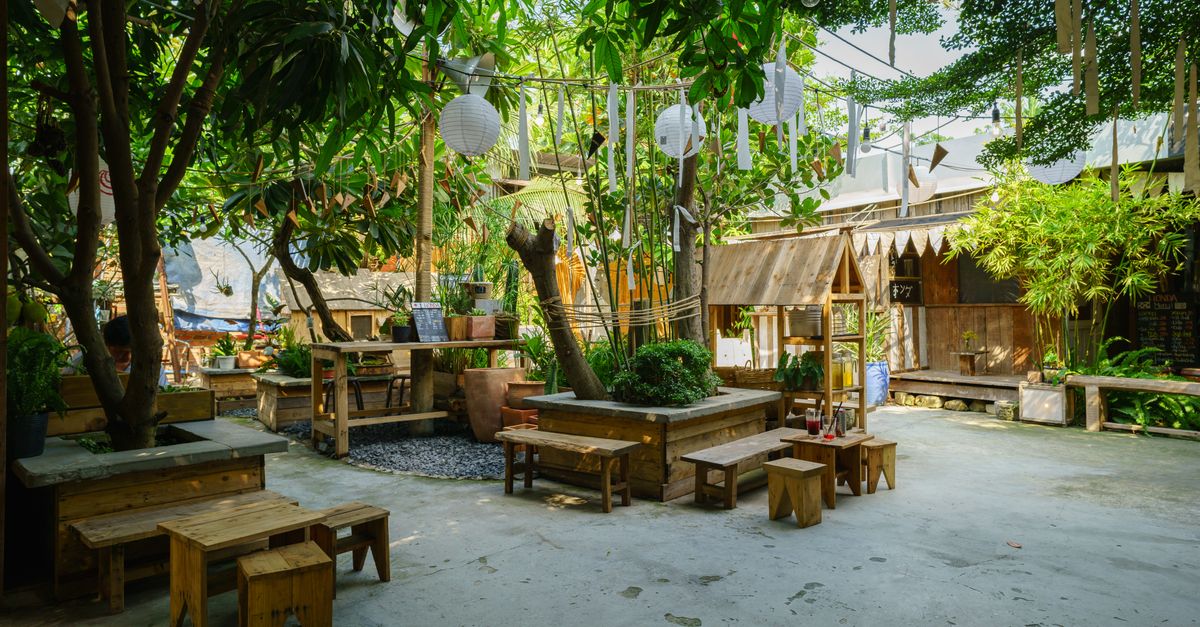
Photo · Sommart Sopon · Pexels
Bangkok's case for remote work is straightforward: excellent internet, deep coworking, world-class food, a real airport, and a visa that finally suits the way people actually work.
The visa is the part that changed, and it changed again in August 2026.
Thai baht. Convert any figure on this page into your own currency at today's published rate.
Open the currency converter →The DTV, and what changed in August 2026
The Destination Thailand Visa is a five-year multiple-entry visa allowing 180 days per entry, extendable once inside the country for a total of 360 days before you leave and re-enter.
The financial requirement is about 500,000 baht in savings, and at most embassies the funds must have been held for around three months rather than appearing the week before you apply.
From 31 August 2026 there are two new documents: proof of permanent residence, and a criminal record certificate issued by the relevant authority in your home country. The requirements are set out in detail here, and a great deal of published guidance predates the change and does not mention either.
Three categories exist: Workcation for remote workers, Thai Soft Power for people coming to study Muay Thai or Thai cooking, and Dependent for spouses and children.
What it is not: a work permit. It does not let you work for a Thai employer or take Thai clients, and the tax position of a long stay is a question for an accountant rather than a travel guide.
Visa-free · 60 days, on all five passports we check.
Short tourist stays only. Checked 21 Aug 2026; rules change without notice and the government page is the source of truth.
Check your own passport →What a month costs
In baht, checked September 2026, for one person living comfortably:
| Baht per month | |
|---|---|
| Serviced studio, good area, monthly rate | 20,000 to 35,000 |
| Coworking membership | 4,000 to 8,000 |
| Food, mixed street and restaurant | 12,000 to 20,000 |
| Transport, BTS and Grab | 3,000 to 5,000 |
| Phone and internet | 1,000 |
| Comfortable total | 45,000 to 80,000 |
Living well below that is genuinely possible on street food and a cheaper condo, and living well above it is very easy in a city with this many rooftop bars.
The single biggest lever is the condo. Monthly rates are far below the nightly ones, and a three-month lease is another step down again.
Where to live
Ari. The nomad answer. Low-rise, leafy, on the BTS, with the best independent cafe scene in the city and a genuine neighbourhood feel. Our pick.
Thonglor and Ekkamai. The expensive, polished option: good gyms, good coffee, international food, and a lot of other foreigners.
Phaya Thai and Ratchathewi. Central, on the BTS and the airport link, and noticeably cheaper than Sukhumvit for the same convenience.
Sathorn and Silom. The business district. Good transport, quiet at the weekend.
On Nut and Phra Khanong. Further out on the BTS, meaningfully cheaper, and where a lot of long-stayers actually end up.
Not Khao San or the old town. Beautiful for a visit, badly connected for a working month, because the BTS and MRT do not reach it. Our Bangkok areas guide has the transport detail, which matters far more on a three-month stay than on a three-day one.
Where to work
The coworking market is deep and inexpensive. Memberships across the city run in the range above, with day passes available almost everywhere.
Cafes are genuinely workable, which is not true in every Asian city. Ari, Ekkamai and Ratchathewi have dozens with power, fast wifi and no time limit.
The mall option is underrated: the co-working floors and libraries in the larger malls are air-conditioned, quiet and free, and in April that matters.
Internet is not a constraint. Condo fibre is fast and cheap and mobile data is inexpensive with comprehensive coverage.
The admin
Get an eSIM before you land or a local SIM at the airport. Data is cheap and the coverage is excellent.
Banking is the friction. Opening a Thai bank account without a work permit has become considerably harder, and the workaround most people use is a multi-currency card plus ATM withdrawals, accepting the fixed foreign-card fee per withdrawal. Take out larger amounts less often.
Always decline the offer to be charged in your own currency at a terminal or ATM.
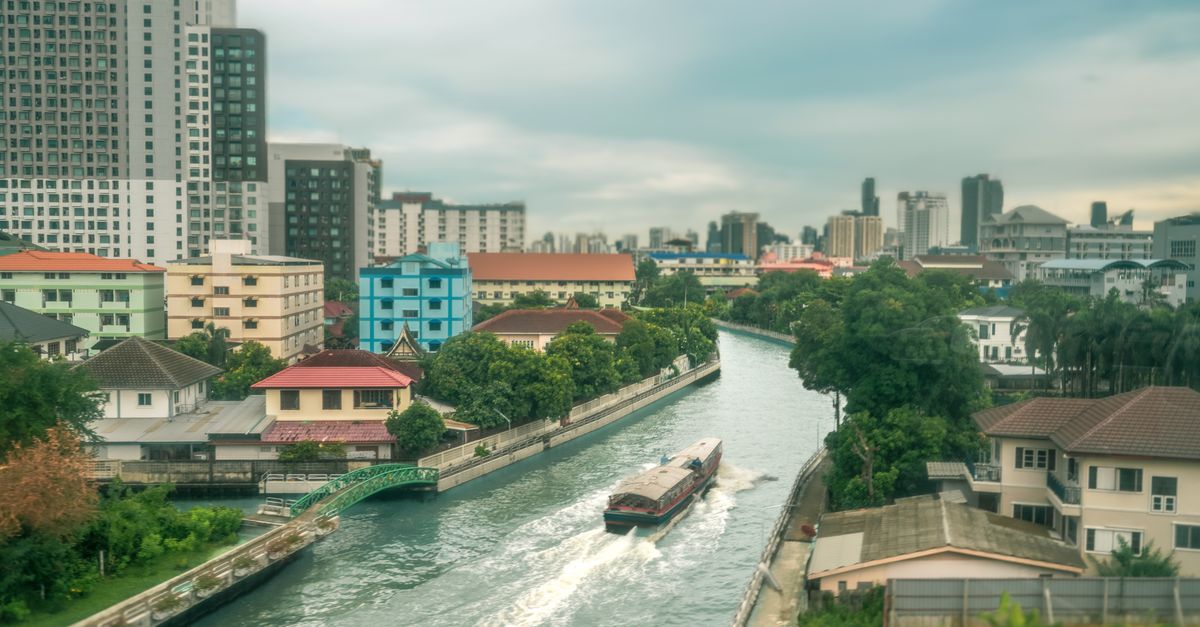
Transport: the BTS and MRT for the spine, Grab for everything else, and the Chao Phraya boat, which is the cheapest and most pleasant transport in the city.
Checked 21 Aug 2026.
Everything we check for Thailand →The downsides, honestly
The air. Bangkok has a genuine PM2.5 problem in the cool season, roughly December to March, driven by traffic and regional agricultural burning. It is less severe than Chiang Mai's and it is not nothing, and an air purifier in the condo is a normal purchase here.
The heat and the traffic. April is punishing, and a 5pm crosstown journey can take an hour to cover four kilometres. Living on the BTS is not a preference, it is the whole quality-of-life decision.
The 180-day rhythm. Even with a five-year visa you are leaving and re-entering, which means the trip planning never quite stops.
It is not a cheap city any more at the top end. The street food is still extraordinary value and the condo market at Thonglor is not.
Bangkok or Chiang Mai
Chiang Mai is cheaper, calmer and has the older scene. Bangkok has better transport, far better food, more flights and a broader professional network.
The decisive point is February to April, when Chiang Mai's burning season makes the air genuinely unhealthy. Our Bangkok or Chiang Mai comparison covers it properly, and the Chiang Mai nomad guide makes the other case.
Before you book
Bangkok or Chiang Mai is the decision most people are actually making, and where to stay in Bangkok has the neighbourhoods.
Thailand on a budget has the wider cost picture and the Thai calendar decides which months to be here.
The nomad hub collects the rest and the Thailand country page has the practical layer.
Visa requirements checked September 2026 against current DTV guidance and the Thai e-visa service. Requirements changed on 31 August 2026 and embassy practice varies, so check the specific embassy you are applying through. Nothing here is immigration or tax advice.