Bangkok or Chiang Mai, and why the month decides it
For three months a year Chiang Mai has some of the worst air on earth, which settles this question. Six rounds, the burning season dates, and a winner.
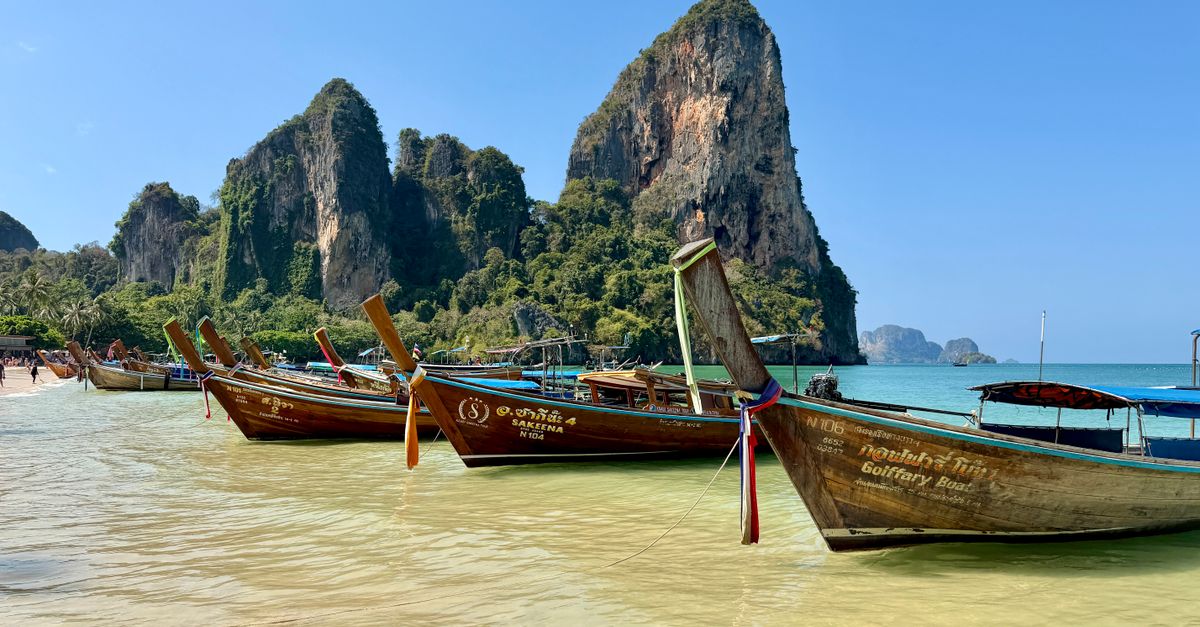
Photo · Musaddek Sayek · Pexels
This is usually written as a personality question. It is not. For roughly three months a year the answer is Bangkok, because Chiang Mai is not breathable.
From about mid-February through April, agricultural and forest burning across northern Thailand and the countries next to it fills the Chiang Mai valley with smoke. Fine-particulate readings routinely pass unhealthy thresholds and reach hazardous levels on the worst days, and the city has repeatedly been ranked the most polluted in the world during the peak. NASA's earth observatory has tracked the fire detections, and around seventy per cent of Chiang Mai's April particulate load comes from biomass burning.
Outside those months, this is a real question with a real answer, and it is mostly Chiang Mai.
Thai baht. Convert any figure on this page into your own currency at today's published rate.
Open the currency converter →The six rounds
Round 1: air, and it settles a quarter of the year
Covered above and it is the most important thing on this page. March is the worst month. The rains arrive in May and clear it.
If your dates fall in that window and you have flexibility, move the northern leg to November or December, which is northern Thailand's best stretch. The Thai calendar has the regional seasons and our November guide explains why the cool season is the one to aim at.
Winner: Bangkok, mid-February to April. Chiang Mai, the rest of the year.
Round 2: food. Bangkok, and it is not close.
Chiang Mai has northern Thai food, which is a genuinely distinct cuisine and worth the trip on its own: khao soi, sai ua, nam prik ong, larb of a completely different character to the Isaan version.
Bangkok has that, plus every other regional cuisine in Thailand, plus the best Chinese food outside China, plus the street food density that makes it one of the two or three best eating cities on earth. Yaowarat, the Chinatown road, is the best eating street in the region after about seven in the evening, and our three-day Bangkok route gives it a night.
Winner: Bangkok.
Round 3: getting around. Bangkok, narrowly, and with a caveat.
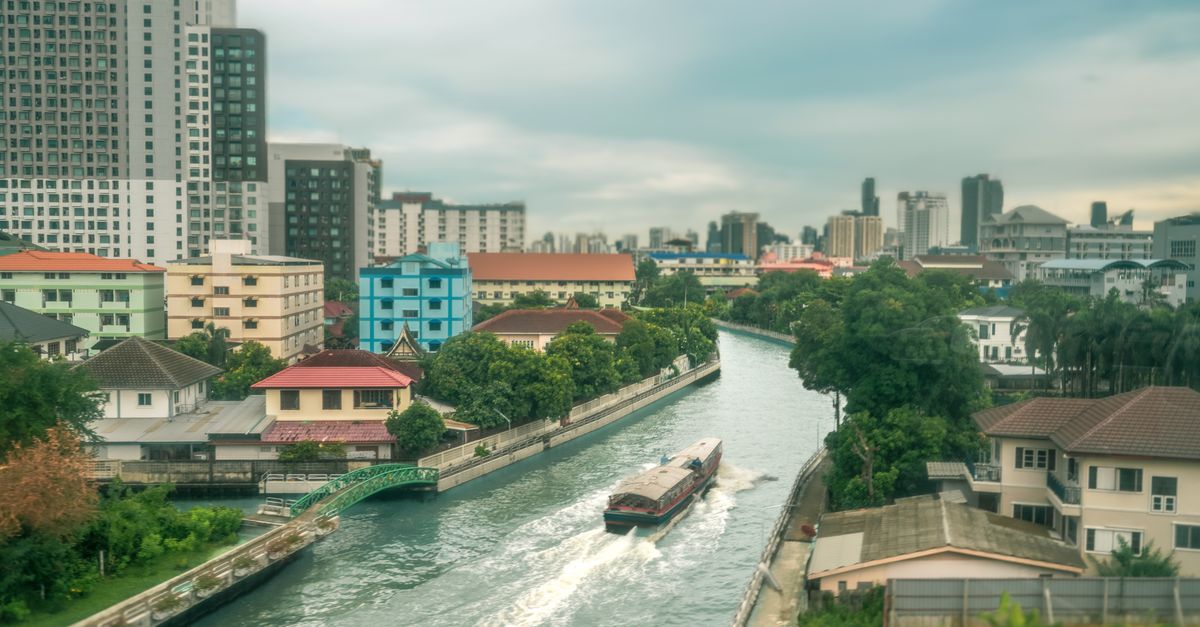
Bangkok has the BTS Skytrain and the MRT, which are excellent, air-conditioned and cheap, and they cover roughly the parts of the city a visitor wants. They do not cover the old town and the temples, which is where the boat comes in: the Chao Phraya express boat is the best transport in the city and the cheapest sightseeing in Thailand.
The caveat is everything else. Bangkok traffic at 5pm is a serious tax on your day, and a taxi across town in the afternoon can take an hour to go four kilometres.
Chiang Mai has no rail. It has songthaews, tuk-tuks, and a scooter culture that is genuinely how most long-stayers get around. The old city is small enough to walk.
Winner: Bangkok for a visitor. Chiang Mai for anyone staying a month.
Round 4: cost. Chiang Mai.
Consistently cheaper on rooms, on eating out and on transport, and the gap grows the longer you stay because Chiang Mai's monthly rental market is one of the best-value in Asia and Bangkok's is not.
Bangkok's cheap end is genuinely cheap: a street plate for 40 to 70 baht is still normal and a BTS ride runs a few tens of baht, checked September 2026. Its middle and top ends are a world city's prices.
Skip the false economy of a cheap Bangkok room in a bad location. Twenty minutes of extra traffic twice a day for six days is a day of your trip, and it costs more than the saving. Our Bangkok areas guide has the walk-and-ride times, and the Chiang Mai one does the same for the old city and Nimman.
Winner: Chiang Mai.
Round 5: what there is to do. A draw, and they are different things.
Bangkok is temples, palaces, markets, malls, rooftop bars and a river. It is a city you consume.
Chiang Mai is a small walled city with three hundred temples inside and around it, and a valley behind it: Doi Suthep, Doi Inthanon, the Mae Rim road, waterfall walks, and cooking schools that are actually good rather than performative.
Winner: Bangkok for three days, Chiang Mai for ten.
Round 6: as a base for the rest of Thailand. Bangkok.
Bangkok is the hub, and it is not a close call. Every domestic flight, every sleeper train, every island connection routes through it. From Chiang Mai you can fly south, but you are usually connecting anyway.
If the trip includes islands, the honest shape is Bangkok, then Chiang Mai, then fly south, and our Thailand two-week route is built on exactly that.
Winner: Bangkok.
Choose Bangkok if
- Your dates fall between mid-February and April.
- The trip is under five days.
- Food is the reason you are going.
- You are connecting onward to the islands or the south.
Choose Chiang Mai if
- Your dates are November to January, which is its best window.
- You are staying more than a week.
- You want to spend less without giving anything up.
- You want mountains, cooking schools and a walkable centre rather than a megacity.
The one to skip, in each
In Chiang Mai, skip anything that puts you next to a captive tiger or on top of an elephant. The tiger attractions and the riding camps are the two things the city is most sold on and they are the two things most worth avoiding, on welfare grounds and because the genuinely good sanctuaries in the valley do not offer either.
In Bangkok, skip Khao San Road unless you want to see it once, and skip the tuk-tuk driver who offers you a cheap tour that includes a gem shop or a suit shop. That is a commission run and it is the oldest one in the city.
And skip the two-day Chiang Mai. It is a flight each way for a city that takes four days to open up. If you only have two days spare, spend them in Bangkok and come back for the north properly.
The practical layer
Checked 21 Aug 2026.
Everything we check for Thailand →Entry paperwork depends on the passport you hold, not on which city you land in, so here is the shape of the answer.
Visa-free · 60 days, on all five passports we check.
Short tourist stays only. Checked 21 Aug 2026; rules change without notice and the government page is the source of truth.
Check your own passport →Before you book
The Thai calendar matters more than this comparison does, because it decides both the air in the north and the coast in the south. The two-week route puts them in order, and our islands ranking covers what happens after.
The best of hub collects the comparisons and the Thailand country page has the practical layer.
Air quality patterns and burning-season dates checked September 2026 against NASA's earth observatory reporting on northern Thailand and IQAir's Chiang Mai monitoring. Burning season severity varies year to year and the live readings are the only thing worth trusting in the week you travel.