Where to stay in Bangkok, and the ten-minute rule that decides it
One rule beats every hotel review in Bangkok: stay within a ten-minute walk of a BTS or MRT station. The areas that pass it, the famous one that fails, and why.
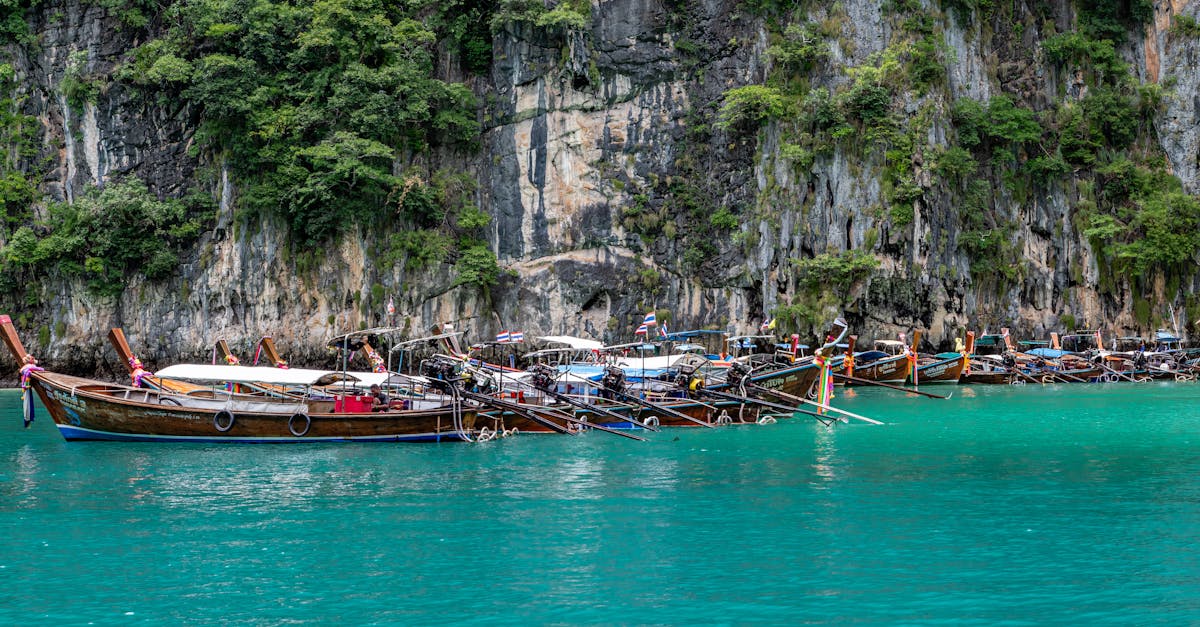
Photo · min Thway · Pexels
There is one rule in Bangkok that matters more than any hotel review, any neighbourhood guide and any photograph of a rooftop pool.
Stay within a ten-minute walk of a BTS Skytrain or MRT station.
Bangkok's traffic is not a cliché, it is a constraint. A rush-hour taxi from Sukhumvit to Siam can take forty to sixty minutes. The Skytrain does it in about fifteen. Every day of your trip runs into that arithmetic, and the hotel you pick decides which side of it you are on.
Thai baht. Convert any figure on this page into your own currency at today's published rate.
Open the currency converter →The areas, scored against the rule
| Area | Rail | Suits | The catch |
|---|---|---|---|
| Sukhumvit (Asok–Phrom Phong) | BTS all along it | First visits | Busy, and it is a main road |
| Silom / Sathorn | BTS + MRT | Business, rooftops | Quieter at weekends |
| Siam | BTS interchange | Shopping, families | Malls rather than streets |
| Ari | BTS | Second visits, food | Further out |
| Riverside | Poor | Special occasions | Shuttle boats for everything |
| Old City | None | The sights | 20+ minutes to a station |
| Khao San | None | Budget, nostalgia | The above, plus noise |
Sukhumvit, and this is the first-visit answer
Bangkok's main artery, with the BTS running its whole length, which is why it works.
The specifics matter. Soi 1 to 23, from Nana to Asok, is the tourist core. Soi 24 to 55, around Phrom Phong, is the Japanese expat area and is noticeably calmer and better for food. Further out, Thonglor and Ekkamai are where Bangkok's own thirty-somethings drink and eat.
Between Asok and Phrom Phong is the sweet spot: central, every price band represented, and a change at Phaya Thai puts you on the airport rail link.
The catch: Sukhumvit is a six-lane road with a railway over it. It is convenient rather than pretty, and the sois running off it vary enormously within a hundred metres.
Silom and Sathorn
The business district, which sounds dull and is not. It has both the BTS at Sala Daeng and the MRT at Silom, the best rooftop bars in the city, Lumphini Park on its edge, and river ferry access.
Best for: anyone who wants Sukhumvit's connectivity with fewer visitors, and anyone whose trip involves the river. The catch: it empties at weekends, which some people like.
Ari
The one we would pick on a second visit. Two stops north of Victory Monument on the BTS, residential, and the best casual food scene in the city that is not aimed at visitors.
Best for: repeat visitors, longer stays, people who want to eat well without a reservation. The catch: you are commuting into the sights rather than walking to them.
Riverside
The most atmospheric part of Bangkok and home to its most famous hotels: the Mandarin Oriental, the Peninsula, the newer luxury arrivals.
The trade is the rule. Riverside is BTS-distant, so most guests depend on hotel shuttle boats or the public river ferries. Those boats are genuinely one of the best things about the city, and they are also slower and less frequent than a train.
Best for: a special occasion, a short stay, or the last two nights of a longer trip. Not for a base you want to move around from every day.
The Old City, and the trap
Here is the one that catches people, and it catches them because it looks obvious.
The Old City has the Grand Palace, Wat Pho, Wat Arun across the water and the whole historic core. It is the reason a lot of people come to Bangkok.
It has no BTS or MRT coverage at all. The nearest station is over twenty minutes on foot, which means every journey is a taxi in traffic or a boat.
So the Old City fails the ten-minute rule comprehensively, and the resolution is straightforward: stay on the rail network and visit the Old City by boat. The Chao Phraya express boat from Sathorn pier is cheap, frequent, scenic and drops you at Tha Tien for Wat Pho. It is a better arrival than a taxi in any case.
Book the Old City only if the historic core genuinely is your trip and you are content to move by boat and taxi, in which case it is charming and quiet at night, which the rest of central Bangkok is not.
What it costs
Bangkok has a wider accommodation spread than almost any major city, which is why "is Bangkok expensive" is an unanswerable question without a neighbourhood attached.
At the bottom, dorms in the Old City start around ฿250 and guesthouses around ฿600. At the top, Riverside runs into the tens of thousands of baht a night.
The ordering by area average, cheapest to dearest, is consistent: Khao San, then the Old City, then Sukhumvit, then Silom and Sathorn, then Riverside. Note that the two cheapest are the two that fail the transport rule, which is not a coincidence and is the trade this page is about.
We could not verify current area-average rates in baht from a source we trust, so we are not printing figures we have not checked. The shelf below is live.
Getting in from the airport
Suvarnabhumi has the Airport Rail Link to Phaya Thai, where you change onto the BTS. It is fast, cheap and immune to traffic, and it is the reason a Sukhumvit or Silom hotel is easy to reach and a Riverside or Old City one is not.
Don Mueang, the older airport used by low-cost carriers, has no rail link of the same quality and generally means a taxi or a bus.
For taxis at either, use the official public taxi queue and insist on the meter, or use an app. The fixed-price touts inside the terminal are a consistently worse deal.
When to go
November to February is the cool season and the best time, which is also the busiest and dearest.
March to May is hot, genuinely so, and Bangkok in April is punishing.
June to October is the rainy season, which arrives as heavy afternoon downpours rather than all-day rain, and is much cheaper.
If the trip includes islands, that decision is separate and it is the more important one: Thailand's two coasts run opposite monsoons, so your dates pick the coast before they pick anything else.
What to skip
Any hotel more than about ten minutes from a station, unless it is Riverside and you know why.
Khao San Road as a base. As a night out it is a legitimate piece of Bangkok history. As a place to sleep for a week it is loud and badly connected.
Tuk-tuks for actual transport. They are a fairground ride, they cost more than a metered taxi, and they are slower than the train. Take one once, for the experience, on a short hop.
Anyone on the street who tells you the Grand Palace is closed today. It is not, and the sentence is the opening line of a gem-shop scam that has been running for decades.
Booking the Old City because the map looks central. It is central. It is not connected.
Visa-free · 60 days, on all five passports we check.
Short tourist stays only. Checked 21 Aug 2026; rules change without notice and the government page is the source of truth.
Check your own passport →Checked 21 Aug 2026.
Everything we check for Thailand →Before you book
The best islands in Thailand covers the half of a Thailand trip that happens after Bangkok, and the coast decision that has to come first. Bali or Thailand is the higher-level choice, and it turns on whether you want one place or a route. Where to travel in December and January both put Thailand's cool season against everywhere else. The Bangkok city guide, the Chiang Mai city guide and the Thailand country guide have the practicalities, and there is more in the where to stay hub. Ready to look at rooms? Bangkok stays are here, and the things to do shelf has the bookable half.
Areas, transport and the accommodation spread checked September 2026. Where we could not verify a current baht figure we have said so rather than converting one from another currency. Bangkok's transit operators publish the current fares and network map, which is worth a look before you pick a hotel rather than after.