Where to travel in January, and the two kinds of January trip
January splits into two trips: escape the northern winter, or use it. Eight destinations with the weather numbers, the catch on each, and what to avoid.
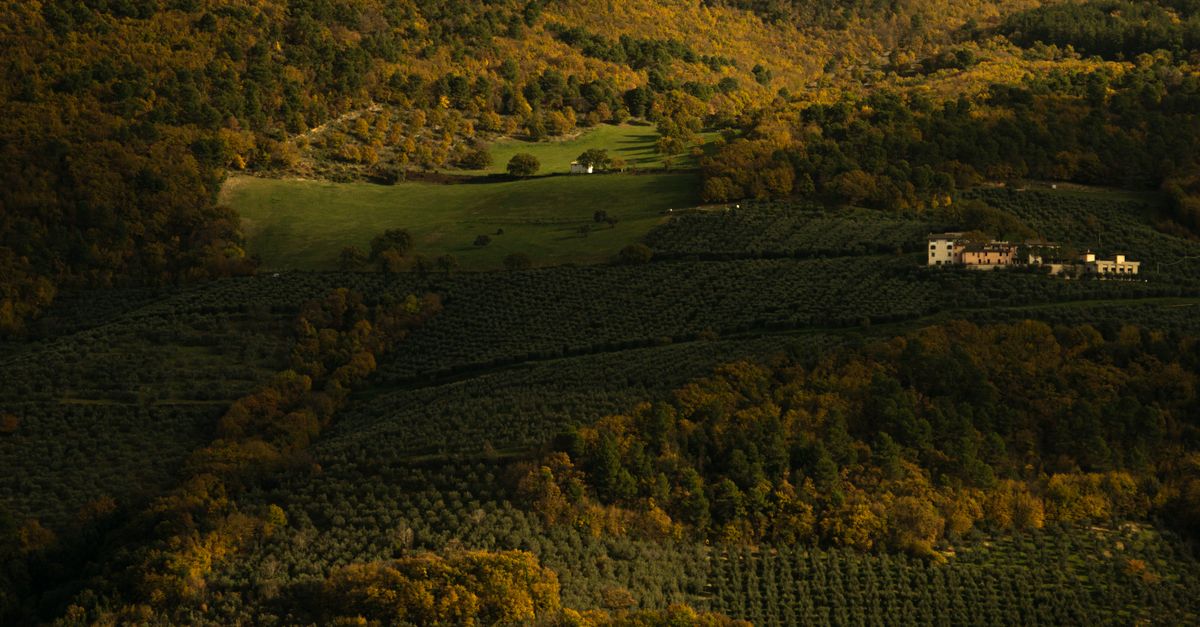
Photo · Francesco Ungaro · Pexels
January is the month with the widest spread on earth. It is the depth of winter in one hemisphere and the height of summer in the other, and the destinations that work split cleanly into two kinds of trip.
Escape it, and go somewhere that is at its annual best while home is dark. Or lean into it, and use the fact that half of Europe is cheap, empty and rather beautiful in the cold.
One rule before the list: avoid the first week. Everything from Christmas to about 4 January is peak priced. From roughly the 8th the floor drops out of European rates, and it stays down through February.
Escape it
1. Thailand's Andaman coast
The cool season runs November to February and this is the middle of it: dry, clear, and the Andaman side is at its best from about mid-November through April. Phuket, Krabi and the Phi Phi islands are in season, the sea is calm and the limestone karst is doing what you came for.
The catch: it is high season and priced accordingly, and the popular beaches are busy. Who it suits: anyone who wants a guaranteed beach in the northern winter, which is exactly what January is for.
2. Southern Vietnam
December to April is the dry season in Ho Chi Minh City and the Mekong delta, and January sits comfortably inside it. Warm, low humidity, clear skies.
The catch: the north of the country is a different climate entirely and it is cold and grey in January, so this is a southern trip rather than a Vietnam trip. The best time to visit Vietnam explains why that distinction matters more in Vietnam than almost anywhere.
Who it suits: food travellers, and anyone who wants Southeast Asia without Thailand's high-season prices.
3. Cape Town
The southern summer, and Cape Town does it properly. Average highs around 26 degrees and lows around 16, with a Mediterranean climate that takes its rain in the winter, so January is dry, long and blue.
The catch: it is South Africa's own peak holiday season, so book ahead, and the wind can be substantial.
Who it suits: anybody who wants a genuine summer rather than a tropical one, with wine country, mountains and cold Atlantic water attached.
4. The Moroccan Sahara
The desert season runs October to April and January is inside it. Marrakech and Fez sit at pleasant walking temperatures of around 18 to 20 degrees by day.
The catch, and it is the one nobody packs for: the nights. Marrakech sits at altitude on the edge of the desert and can drop toward 5 degrees or lower, riads are built to shed heat rather than hold it, and desert camps get close to freezing. Ask about heating before you book.
Who it suits: people who want warmth in the day and are willing to own a coat. The best time to visit Morocco has the four regional climates.
5. Bali, honestly
January is Bali's wettest month alongside February, and it is on this list anyway for three reasons: the rain arrives as afternoon downpours rather than all-day weather, the island is green rather than dusty, and prices are at their annual floor once the New Year rush ends around the 10th.
And the part almost nobody mentions: the wind reverses in the wet season, which blows out the famous west-coast surf and turns the east coast on. Keramas, Sanur and Nusa Dua are world-class in January.
The catch: if you need reliably dry weather for a one-week trip, this is the wrong month. Who it suits: surfers, and anyone who values an empty villa at half price over a guaranteed afternoon.
Lean into it
6. Italy, at its cheapest
Mid-January through February is the best-value stretch of the Italian year. Cities belong to the people who live in them, hotel rates fall hard, museums are quiet enough to actually look at things, and the light in Rome on a clear winter morning is the best light of the year.
The catch: short days, real rain in the north, and some coastal and mountain-town businesses closed for the season.
Who it suits: second-time visitors, and anyone who has seen Rome in July and would like to see it properly.
7. Athens and mainland Greece
The under-listed one. The Greek islands are shut from November to March, with ferries down to a few sailings a week and most hotels closed. The mainland is not, and January in Athens is mild, cheap and almost empty at the archaeological sites that are unbearable in July.
The catch: you are not swimming, and it rains. Who it suits: anyone who wants the Acropolis without the 20,000-a-day cap biting or the afternoon heat closures that shut the site repeatedly in recent summers.
8. Japan, for snow or for cities
Two Januaries in one country.
The ski version: Hokkaido and the Nagano and Niigata resorts get some of the most reliable powder on earth from January into February. It is a completely different trip from the temple circuit and Japan is not usually sold on it.
The city version: mid-January to late February is the cheapest stretch of the Japanese year once New Year is done, with Tokyo around 10 degrees, dry and bright, and Kyoto's temples occasionally under snow.
The catch: the New Year period itself, roughly 29 December to 3 January, does not just fill things, it closes them. Restaurants, small museums and family-run shops shut for several days.
Who it suits: skiers, and anyone who has been told Japan is expensive. The best time to visit Japan has the arrivals data showing why "quiet" no longer means what it used to.
What to avoid in January
Fiji and the South Pacific. The official cyclone season runs 1 November to 30 April and peaks January to March. Resorts handle it well and forecasting is good, and it is still the wrong three months to pick if you have a choice. Fiji family holidays has the detail.
The Greek islands. Not busy. Closed.
Northern Vietnam and Sapa. Cold, often close to freezing at altitude, and frequently grey.
The Thai Gulf islands. Koh Samui, Phangan and Tao take their wettest weather from October through December and are only just coming out of it. The Andaman side is the January answer.
Anywhere at all in the first week, unless somebody else is paying.
The school-holiday note
January's calendar is a hemisphere thing and it is worth knowing both halves.
Northern-hemisphere school terms restart in the first week, which is exactly why European prices collapse from about the 8th.
Southern-hemisphere summer holidays run through most of January, which is why Cape Town, and Bali's mid-December to early-January window, are at their busiest and dearest while Europe empties out. If you are travelling from the southern half of the world, the cheap month and the school month are the same month, and late January is the compromise.
Before you book
Where to travel in October and where to travel in December are the neighbouring months, and December in particular is worth reading if your January plan is really a Christmas plan.
For the individual countries, we have the full seasonal picture for Japan, Vietnam, Bali, Morocco, Italy and Greece. The when to go hub collects them, and the January month page shows what the whole catalogue looks like in this month. Prices on this page are quoted in each destination's own money, and the converter turns them into yours.
Seasonal patterns and temperatures checked September 2026 against national tourism bodies including Cape Town Tourism and the Tourism Authority of Thailand, plus Japan's own arrival statistics. Cyclone and monsoon windows are climatological averages rather than forecasts.