Digital nomad Chiang Mai, and the three months you should not be there
Chiang Mai for remote workers with real baht costs, the five-year DTV visa terms and the burning season that makes three months of the year genuinely unhealthy.
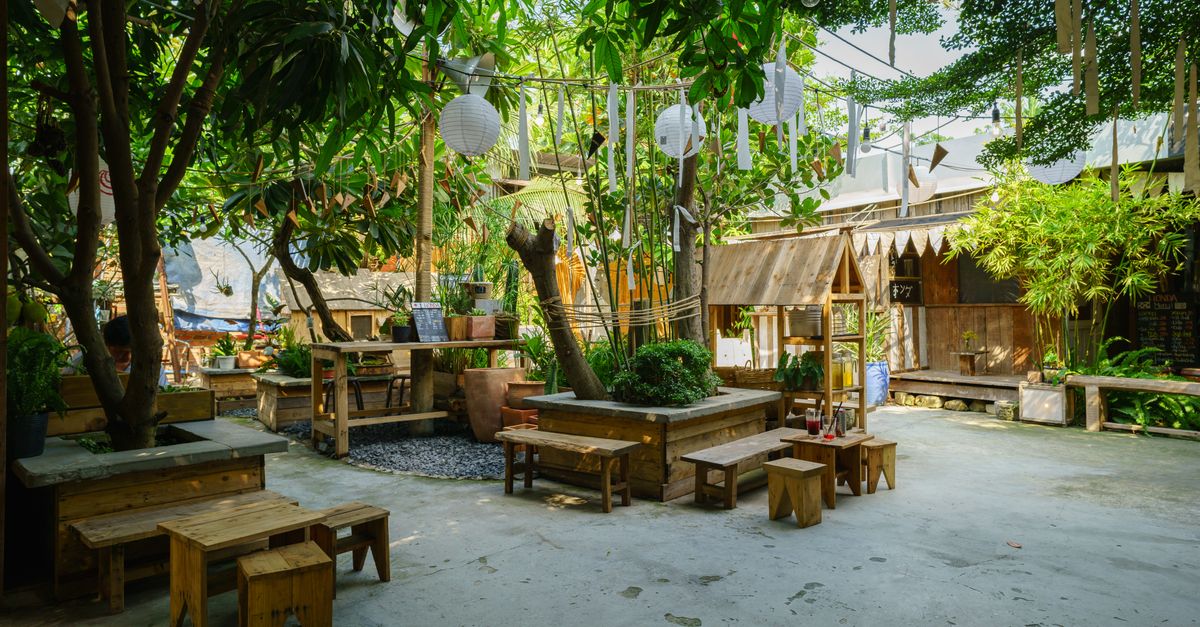
Photo · Đan Thy Nguyễn Mai · Pexels
Chiang Mai has been near the top of every remote-work list for a decade, and the cost, community and infrastructure genuinely justify it.
It is also unhealthy for about three months a year, and the people who have lived there longest treat it as a nine-month base rather than a home. That is the honest frame, and it should shape how you plan the year rather than arriving in March and finding out.
Thai baht. Convert any figure on this page into your own currency at today's published rate.
Open the currency converter →The three months, in numbers
Agricultural and forest burning across northern Thailand and its neighbours fills the Chiang Mai valley from roughly February to April. The city sits in a bowl that holds the smoke.
In 2026:
- The province banned all open burning from 1 February to 31 May.
- It still logged over 2,090 fire hotspots between 1 January and 27 March.
- 158 separate wildfires on 24 March alone, across 15 districts.
- PM2.5 around 188 micrograms per cubic metre on the worst days.
- Several days ranked among the most polluted cities in the world.
March is the worst month and February is not safe by default.
What long-term residents actually do: they leave. The February to April window is when the Chiang Mai remote-work community disperses to the islands, to Vietnam, to Bali, or home. That is not a rumour, it is the observable annual pattern, and it is worth building into a year rather than resisting.
If you stay: a flat with proper air conditioning rather than fans, an air purifier that you buy rather than hope for, and the live reading each morning rather than the forecast. If you have asthma or any respiratory condition, do not plan to be there in March.
November to mid-January is the best of the year: cool, clear, dry, and the reason people fall in love with the place.
What it costs, in baht
This is the cheapest serious remote-work base in the world with this level of infrastructure, and the figures are worth stating in the currency you will actually pay in.
| Per month | |
|---|---|
| Studio, yearly contract | from about ฿7,000 |
| One-bedroom apartment | from about ฿15,000 |
| Coworking membership | around ฿2,000 |
Checked September 2026.
Two things about those numbers:
The yearly-contract discount is enormous. A studio at ฿7,000 on a twelve-month lease and the same studio by the month are different products at very different prices. If you are staying more than four months, the annual contract is worth signing even if you leave early.
Food is where the real saving is. Eating from markets and small restaurants, which is what everyone does, costs a fraction of shopping for imported ingredients at the international supermarkets. Khao soi from a stall and khao soi from a café aimed at foreigners are a factor apart.
Transport: the red songthaew trucks run a flat ฿30 within the city and out to Nimman, and a monthly scooter rental is modest. Do not ride a scooter without a licence that covers it, because most travel insurance will not pay out if you do, and the accident rate here is genuinely high.
The visa, which changed the whole calculation
The Destination Thailand Visa, introduced in 2024, is the reason Thailand went from awkward to easy for remote workers.
| DTV | |
|---|---|
| Validity | Five years, multiple entry |
| Stay per entry | 180 days |
| Extension | Once, at immigration, for a total of 360 days |
| Financial test | THB 500,000 in savings, usually held three months |
| Application | THB 10,000 |
| Extension fee | THB 1,900 |
It runs in three categories: Workcation for remote workers and freelancers, Thai Soft Power for people here for Muay Thai, cooking or similar, and Dependent for spouses and children under 20.
Two things worth understanding:
It is a savings test, not an income test. That suits someone between contracts or with lumpy freelance income far better than Portugal's monthly threshold does, and it suits someone living month to month far worse. How to become a digital nomad compares the schemes.
Five years with 180-day entries is close to ideal for actual nomadism, in a way that a residence visa requiring 183 days in the country is not.
Visa-free · 60 days, on all five passports we check.
Short tourist stays only. Checked 21 Aug 2026; rules change without notice and the government page is the source of truth.
Check your own passport →Where to live
Nimmanhaemin, always called Nimman. West of the moat, around the university. The coworking, the specialty coffee, the serviced apartments built for monthly rentals, the gyms, the malls and the supermarkets. It is the most expensive part of the city and it is where almost everyone doing this ends up, for the obvious reason that everything is there.
Santitham. Between the moat and Nimman. The value answer: residential, local prices, excellent cheap food, ten minutes from Nimman's coworking. Nothing to look at, which is the point when you are staying a season.
The Old City. Cheaper and prettier, and set up for people staying a week. The eastern end near Tha Phae Gate is the backpacker end and is loud. The Chiang Mai area guide has the full neighbourhood breakdown.
Hang Dong and the outskirts. Houses with gardens, a scooter required for everything, and where people move in year three.
The working layer
Coworking is abundant, cheap and genuinely good, concentrated in Nimman.
Café culture here is unusually laptop-friendly, and it is the thing Chiang Mai is actually famous for among people who do this: hundreds of cafés, most with power and wifi, most tolerant of a long session. Buy something every couple of hours.
Internet is fast and cheap, and fibre in a Nimman condo is reliable. Test it before committing to a month, and carry an eSIM as a backup.
The time zone is the real constraint. Chiang Mai works well with Europe, giving an afternoon-to-evening overlap, and badly with North America, which means night shifts. If your clients are American, Medellín or Mexico City is the answer instead. Digital nomad Medellín has that case.
The honest downsides
The smoke. The whole first section.
It is a small city and it can feel small by month five. The community is transient by construction: you make friends and they leave. That is true everywhere on this circuit and it is more noticeable here because so many people are on a 180-day cycle.
The visa runs are gone but the immigration admin is not. The 90-day reporting requirement and the extension process are real appointments.
Career drift is the thing nobody warns about. It is very easy to earn enough here to be comfortable and not enough to be building anything. That is a choice; make it deliberately.
Checked 21 Aug 2026.
Everything we check for Thailand →What to skip
February to April, unless you have a specific reason.
A monthly rental if you are staying more than four months. The annual contract is a different price.
Riding a scooter on a licence that does not cover it. Insurance will not pay out.
Living entirely in Nimman. It is comfortable and it is a bubble.
Buying an air purifier in March. They sell out. Buy it in December if you are staying.
Treating a 180-day entry as permission to work for a Thai client. The DTV is for foreign income.
Before you book
How to become a digital nomad has the visa and tax layer, and the best digital nomad cities for 2027 ranks the alternatives. Digital nomad Lisbon, digital nomad Medellín and digital nomad Bali are the other city guides on this desk. Where to stay in Chiang Mai has the neighbourhoods in detail, three days in Chiang Mai is the visitor version, and the best time to visit Thailand has the month table including where to go for the three months you are away.
The Chiang Mai city guide and the Thailand country guide carry the practicalities, and there is more in the nomad life hub.
Costs, visa terms and air quality figures checked September 2026. DTV requirements have been adjusted since launch and vary slightly between embassies, so Thailand's e-visa portal is the source to confirm rather than any guide, this one included.