Croatia or Greece, decided on the boat timetable
Both have islands and old towns. They differ on ferries, driving and how long the season runs. Six rounds, the tax nobody mentions, and who wins.
Photo · Vladimir Srajber · Pexels
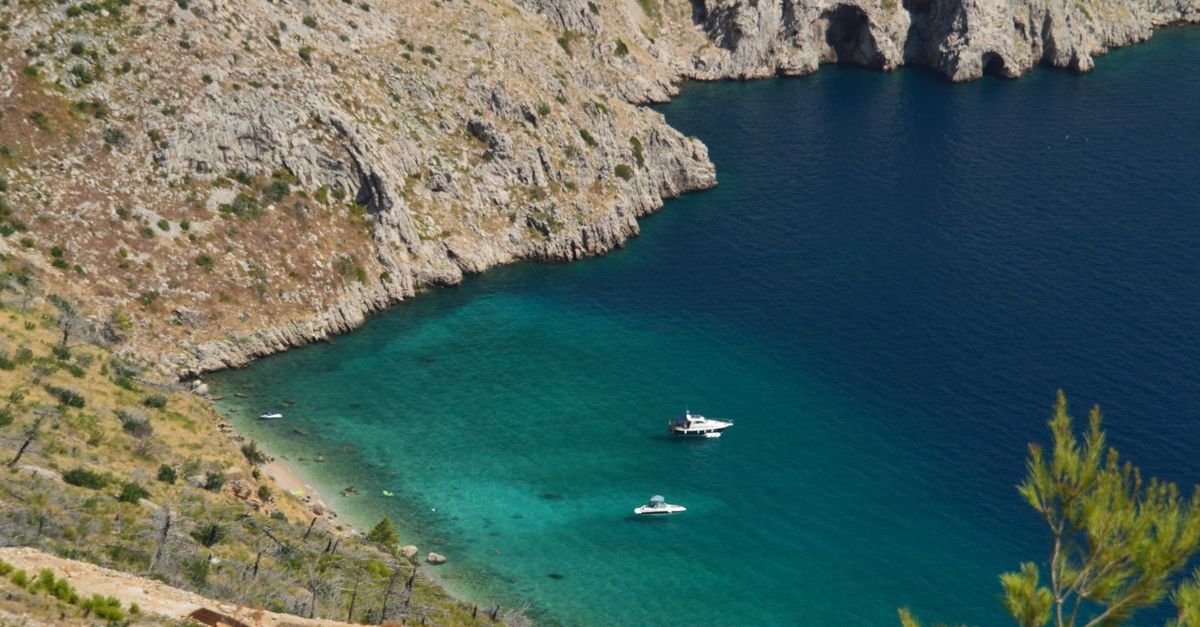
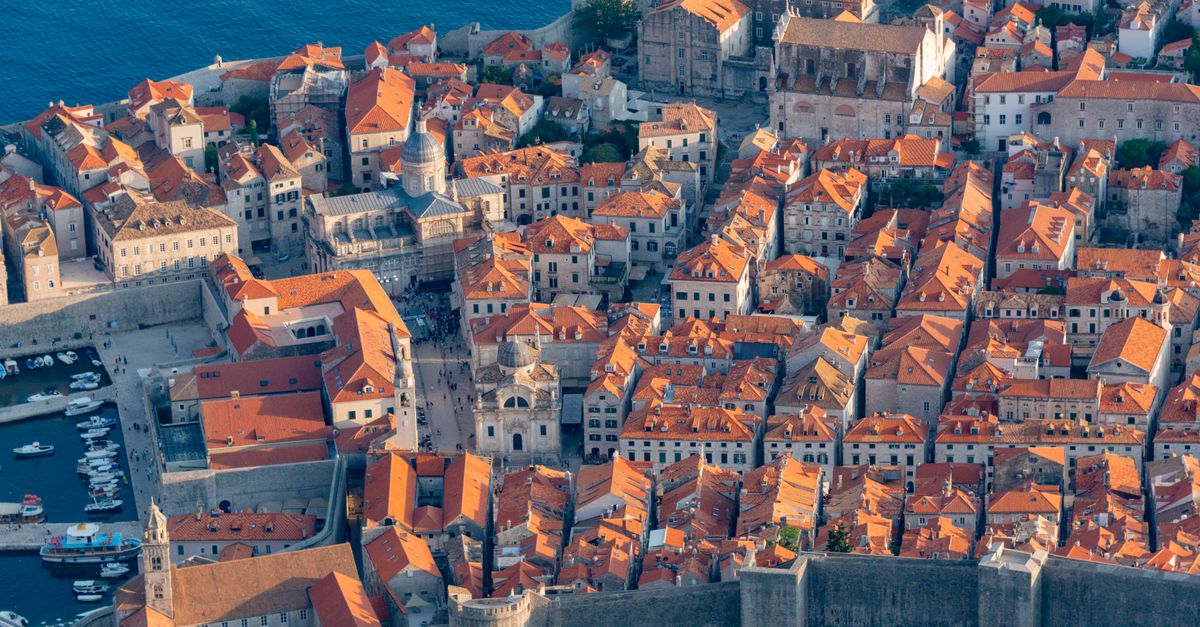
Both countries sell you the same photograph: a stone old town, clear water and a boat. They are genuinely different trips, and the thing that separates them is how you move.
Greece is a ferry country. The islands are the point, they are spread across two seas, and a good Greek trip is built around a boat timetable.
Croatia is a driving country. The coast is a single 500km strip with a road along it, the islands are close in, and a car unlocks the interior, the waterfalls and the hill towns that the ferry route never reaches.
Choose on that, not on the beaches.
Euro. Convert any figure on this page into your own currency at today's published rate.
Open the currency converter →The six rounds
Round 1: islands. Greece.
Greece has thousands of them across six archipelagos with genuinely different characters: the Cyclades are white and bare, the Ionians are green, the Dodecanese are half Ottoman. You could spend five trips there and not repeat yourself.
Croatia has about fifty inhabited islands in one line down one coast, and they are more alike than not. Hvar, Vis, Korcula and Brac are all excellent and they are all recognisably the same idea.
Winner: Greece, decisively.
Round 2: getting between the islands. Croatia, and this is the surprise.
The Greek ferry network is enormous and it is also expensive and slow. Island-to-island legs run roughly 15 to 60 euro on a conventional ferry and 40 to 100 euro on a fast catamaran, and the popular routes out of Piraeus start at about 40 to 60 euro on a conventional boat and 60 to 90 on a catamaran, checked September 2026. On a two-week island route that line is one of the biggest on the budget.
Croatian crossings are short and cheap by comparison, because nothing is far from anything. Split to Hvar is an hour on a catamaran. Most of the coast is reachable by road and bridge, and the ferry is a supplement rather than the spine of the trip.
Winner: Croatia.
Round 3: beaches. Greece.
Croatia's water is arguably the clearest in the Mediterranean and almost none of its beaches are sand. Pebble, shingle and rock platform, which is why the swimming shoes are not optional and why the beach towel argument starts on day one.
Greece has both: rock coves in the Cyclades and long sand in Crete, the Peloponnese and the Ionians.
Winner: Greece, if sand matters. A draw if only the water does.
Round 4: the interior. Croatia, and it is not close.
This is Croatia's real advantage and most comparisons skip it. Plitvice and Krka are among the best waterfall systems in Europe, Istria is a food region with hill towns and truffles that reads like Tuscany at half the price, and the Zagreb-to-coast drive crosses a country rather than a resort strip.
Greece's mainland is superb too, and Meteora and the Peloponnese are both worth a week. But the Greek trip most people take is islands only, and the Croatian trip is naturally a coast-and-interior one because the driving makes it so.
Winner: Croatia.
Round 5: cost, and the tax nobody mentions
Both countries are on the euro, which makes this comparison honest for once.
Croatia charges a sojourn tax per person per night that varies by place and season. In Dubrovnik it is 2.65 euro per person per night from 1 April to 30 September and 1.85 euro from 1 October to 31 March; elsewhere in the country it is commonly 2.50 euro for visitors aged 16 and over, checked September 2026 against the national tourist board's own guidance. It is usually collected at check-in and it is not always in the room rate you compared.
Run it out: two adults, ten nights in Dubrovnik in high season, is 53 euro on top of the room. That is not a holiday-breaker, and it is exactly the sort of line that turns a carefully compared price into a surprise at the desk.
Greece's equivalent is a climate-resilience levy on accommodation that scales with the property's category and season, plus the cruise levy at Santorini and Mykonos we cover in the Santorini and Mykonos comparison.
Winner: a draw on the ground, Croatia on transport, Greece on food.
Round 6: how long the season runs. Greece.
The Aegean holds its heat. Greek islands swim well from June into October, and September is the best month of the Greek year, which our September guide explains at length.
The Adriatic is a shorter window: comfortable roughly from late May to late September, with island ferry frequencies thinning from the start of October. The Croatian calendar has the timetable change dates, and it matters more than the temperature does.
Winner: Greece.
Choose Croatia if
- You want to drive. This is the single biggest differentiator.
- You are coming overland from Austria, Germany, Hungary or Italy, where Croatia is a day's drive and Greece is a flight.
- You want the coast and something else in the same fortnight: waterfalls, Istrian food, a proper capital city.
- Your dates are June or September rather than late spring or October.
Choose Greece if
- The islands are the trip and you want to hop rather than base.
- You want sand.
- Your dates are late September or early October, when Croatia is closing and Greece is at its best.
- You want ruins that are the reason for the trip rather than a stop on it.
The one to skip
Dubrovnik's old town between 10am and 4pm on a cruise day. The walls are genuinely one of the sights of Europe and the experience of walking them behind four thousand other people is not.
The fix is free: the old town before nine or after seven is a different place, and the wall circuit opens early. Stay outside the walls in Ploce or Lapad, which is cheaper anyway, and go in at the ends of the day. Our Croatia route is built around that timing.
Also skip the assumption that you can do both countries. There is no easy surface route between them, the flights connect through a hub, and a transfer day costs you more than the second country adds.
The practical layer
Checked 21 Aug 2026.
Everything we check for Croatia →Entry rules are about your passport rather than your destination, and both countries are in the same European travel area, so the answer is usually the same for both.
Short tourist stays only. Checked 21 Aug 2026; rules change without notice and the government page is the source of truth.
Check your own passport →Before you book
The Croatian calendar and the Greek one decide this more often than the comparison above does, because the month sets the ferry timetable in both countries.
The seven-day Croatia route and the Greece route are the two shapes these trips take, and where to stay in Athens covers the Greek starting point.
The best of hub collects the comparisons and the Croatia country page has the practical layer.
Tax rates and ferry fares checked September 2026 against Croatian tourist board guidance on the sojourn tax and Greek ferry operator pricing. Fares move by season, operator and how far ahead you book, so treat the ranges as ranges.