Cherry blossom in Japan 2027, and the booking problem it creates
Japan's cherry blossom in 2027, with the expected peak dates, when the forecasts are actually published and how to book flights around a seven day window.
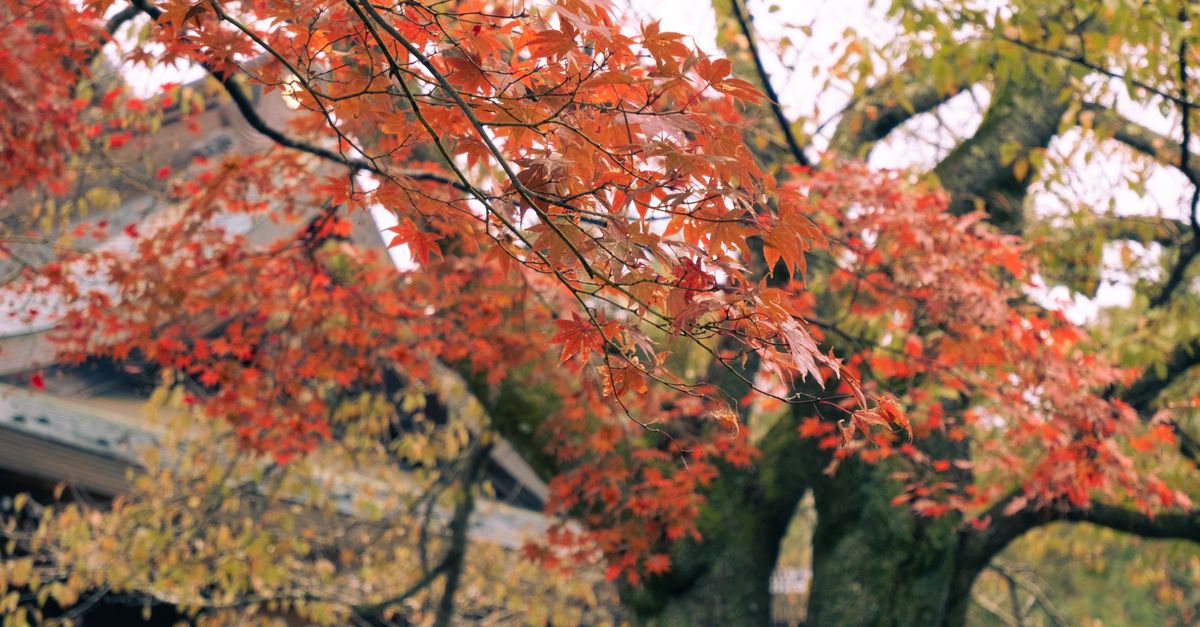
Photo · Evgeny Tchebotarev · Pexels
Japan's cherry blossom is the hardest trip in the world to book, and the reason is arithmetic rather than demand. The flowers last about a week. The flights need booking months ahead. The forecast does not exist until winter.
Here is the current outlook for 2027, when the real forecasts arrive, and how to book around a window nobody can promise you.
Japanese yen. Convert any figure on this page into your own currency at today's published rate.
Open the currency converter →The 2027 outlook
Tokyo, Kyoto and Osaka are expected to peak around 28 March to 5 April 2027.
More precisely, on the current outlook:
| Expected | |
|---|---|
| Tokyo | blooming roughly 29 March to 4 April |
| Kyoto | bloom starting around 29 March |
| Osaka | same window as Kyoto |
| Tohoku and Hokkaido | mid-April to early May |
Treat those as an outlook rather than a forecast. They are derived from long-run averages, and the actual dates move by up to a week or more with the temperatures in January and February. A warm late winter pulls the bloom forward; a cold one pushes it back.
When the real forecasts appear
This is the part worth knowing, because it tells you when to stop guessing.
- Official outlooks start rolling out from December, with more detailed
releases in early 2027.
- The private forecasters publish from January and February 2027. The three
that matter are the Japan Weather Association, Weathernews and the Japan Meteorological Corporation.
- They then update every week or two as spring approaches, and the last few
updates are the accurate ones.
So the honest sequence is: book flights and a refundable base in the autumn, watch the forecasts from January, and firm up the internal travel in February and March when the picture is real. Japan's national tourism organisation aggregates the forecasts as they are published.
The booking strategy, since you cannot know
Book the first week of April for Tokyo and Kyoto.
The reasoning is about which way you want to be wrong. If the bloom runs early, the first week of April catches petal fall, which is sakura fubuki, the blossom snowstorm, and which many people prefer to peak bloom. If the bloom runs late, the first week catches the peak.
Booking the third week of March is the higher-variance bet. Get it right and you have the whole thing; get it wrong and you have bare branches and a fortnight of regret.
Or build the trip so it can move. Japan's shinkansen means you can chase the front:
- Kyushu and the south-west bloom first, from about late March.
- Tokyo, Kyoto and Osaka follow.
- Tohoku and Hokkaido peak from mid-April into early May.
- Altitude does the same thing on a smaller scale: mountain areas bloom one
to two weeks after the cities below them, so a day trip up into the hills can buy you back a week you thought you had missed.
A trip that starts in Kyushu or Kansai and finishes in Tokyo is travelling against the front. One that starts in Kansai and finishes further north is travelling with it, which is the better hedge.
What it costs now, and two changes from 2026
Two Japanese costs moved this year and both affect a 2027 blossom trip.
The departure tax rose from ¥1,000 to ¥3,000 per person on 1 July 2026. It sits inside the airline ticket. A family of four is now ¥12,000 rather than ¥4,000, and children under two are exempt.
Kyoto's lodging tax rose steeply on 1 March 2026 and is now the highest in Japan, charged per person, per night, reaching ¥10,000 at the top band. The ¥6,000 to ¥19,999 band doubled to ¥400 and the ¥20,000 to ¥49,999 band doubled to ¥1,000.
That matters more in blossom season than at any other time, because Kyoto room rates rise into higher tax bands exactly when you want to be there.
The workaround: base in Osaka, fifteen minutes away on the shinkansen, where rooms under ¥5,000 a head pay no accommodation tax at all. Day trips from Kyoto runs the whole comparison, and two days in Osaka is the city itself.
Where to actually see it
The mistake is going to the famous spots at the famous times.
Kyoto: the Philosopher's Path and Maruyama Park are the postcard and they are a crush. Go at seven in the morning and they are transformed. The Kamo river banks north of the centre are free, long, and full of locals rather than visitors.
Tokyo: Ueno and Shinjuku Gyoen are the headline parks. Meguro river in the evening, with the lanterns, is the one to actually do.
Anywhere: a canal, a riverbank, a temple's outer grounds, a suburban street. Japan is comprehensively planted with cherry trees and the good version of this is not a destination, it is walking somewhere ordinary in the right week.
Kyoto's own city tourism office publishes the blossom spots and their usual timing, which is more use than a top-ten list.
Hanami is a picnic, not a viewing. Buy food from a department store basement, find a spot, sit down. That is the whole tradition and it is better than any ticketed thing.
Visa-free · 90 days, on all five passports we check.
Short tourist stays only. Checked 21 Aug 2026; rules change without notice and the government page is the source of truth.
Check your own passport →Checked 21 Aug 2026.
Everything we check for Japan →What to skip
Waiting for the forecast before booking accommodation.
The third week of March, if you want one safe week.
Kyoto's famous paths between ten and four.
A fixed itinerary. Leave one flexible day at each end so you can move north or into the hills if the timing goes against you.
Golden Week, which follows in late April and early May and is the single busiest domestic travel period of the Japanese year. If you are there for late blossom in Tohoku, be out before it starts.
Assuming the blossom is the only reason to be there. Late March and early April in Japan are excellent regardless, and a trip that depends entirely on one week of flowers is a trip with one point of failure.
Before you book
The best time to visit Japan has the full month table, including the autumn foliage that is arguably the better season and is far easier to book. Japan in 7 days and Japan in 14 days are the routes, three days in Kyoto and two days in Osaka are the two cities this trip turns on, and day trips from Kyoto has the tax comparison that now favours basing in Osaka. What a Japan trip costs has the budget with the 2026 changes in it, and the best time to visit South Korea covers the same blossom front a week or so earlier.
The Kyoto city guide and the Japan country guide carry the practicalities, and there is more in the when to go hub.
Outlook dates and tax changes checked September 2026. The 2027 bloom dates above are an outlook rather than a forecast, and the real forecasts are published from December onward and updated every week or two, so check those rather than any guide, this one included. We will update this page when the January forecasts land. Here is how we research and re-check guides.