The best time to visit South Korea, and the ten days you cannot book ahead
The best time to visit South Korea by month, with the blossom that lasts ten days, the rainy season that drops a quarter of Seoul's rain, and autumn's peak.
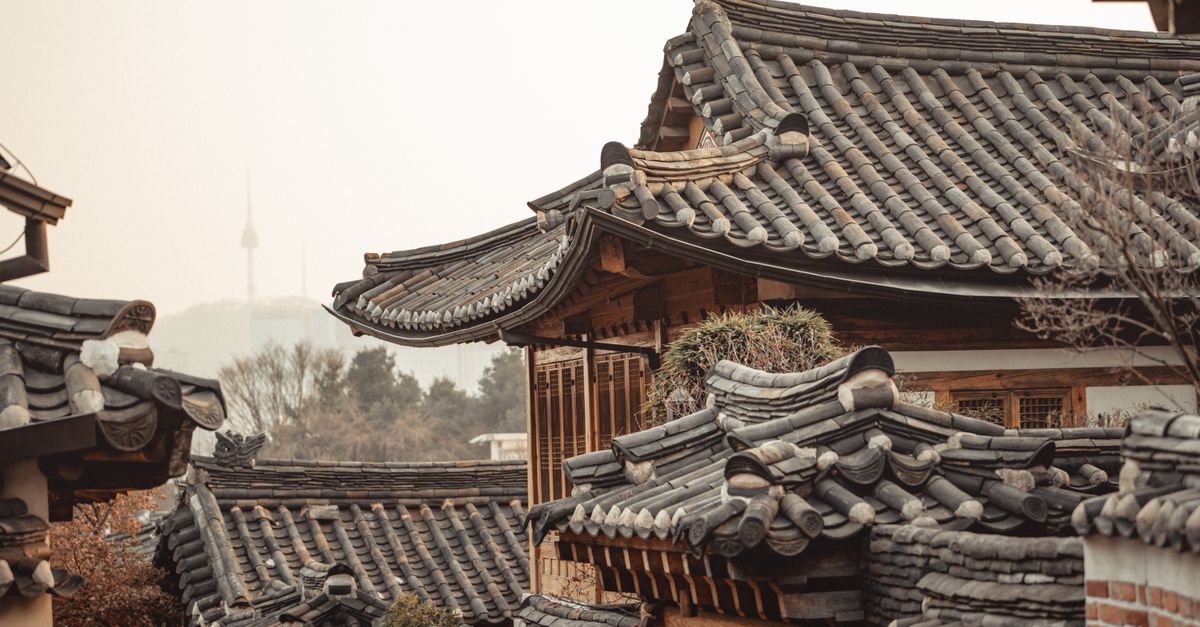
Photo · Alexander London · Pexels
Korea has two excellent seasons and one difficult one, and the difficult one is summer.
October is the best month, with dry, clear, mild weather and the foliage peaking. April is the other one, and it is harder to plan because the cherry blossom lasts about ten days.
South Korean won. Convert any figure on this page into your own currency at today's published rate.
Open the currency converter →The blossom problem
Cherry blossom season runs late March to mid-April, moving south to north.
- Jeju is usually first, around 20 March.
- Seoul and Gyeongju follow by early April.
Full bloom in Seoul lasts about seven to ten days.
That is the whole difficulty. You are booking international flights months ahead for a window that is only forecast with any confidence a couple of weeks before it opens, and which moves with the winter that preceded it.
How to actually handle it:
Book the second week of April rather than the first. If the blossom is early you catch the tail in Seoul and the peak further north; if it is late you catch the peak. The first week of April is the higher-variance bet.
Or follow it. A trip that starts in Jeju or Busan and moves north to Seoul over a week is travelling in the same direction the blossom is, which is a far better hedge than sitting in one city hoping.
Or go in October instead, which is more reliable and, we would argue, better. Korea's tourism organisation publishes the annual blossom forecast as it firms up, usually in late winter.
Autumn, which is the better answer
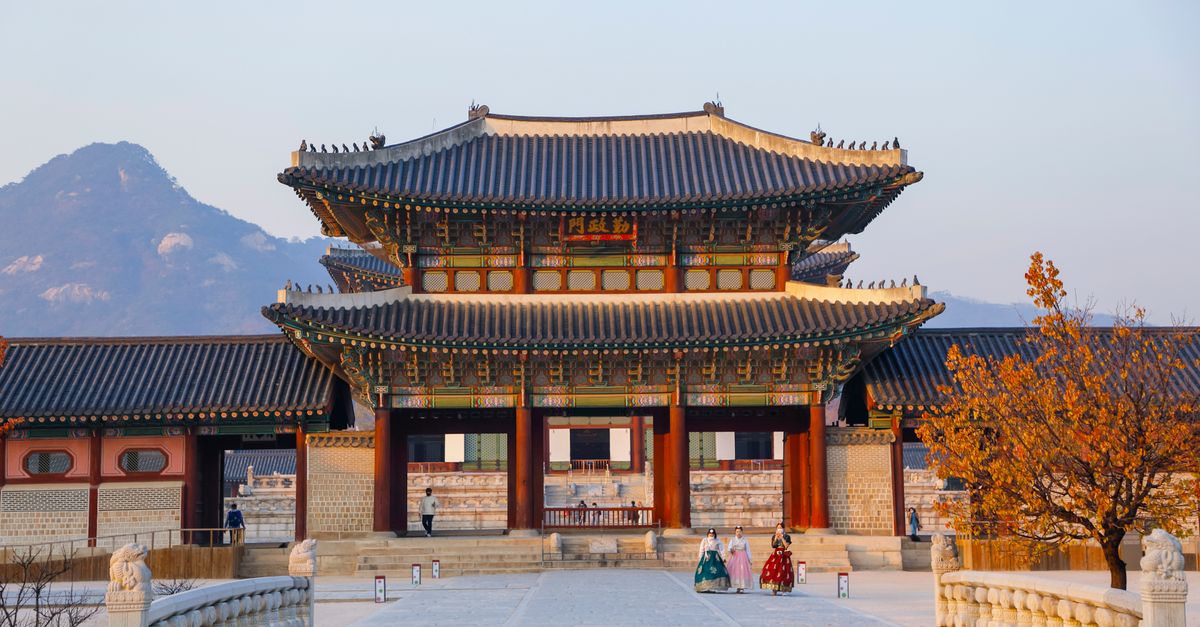
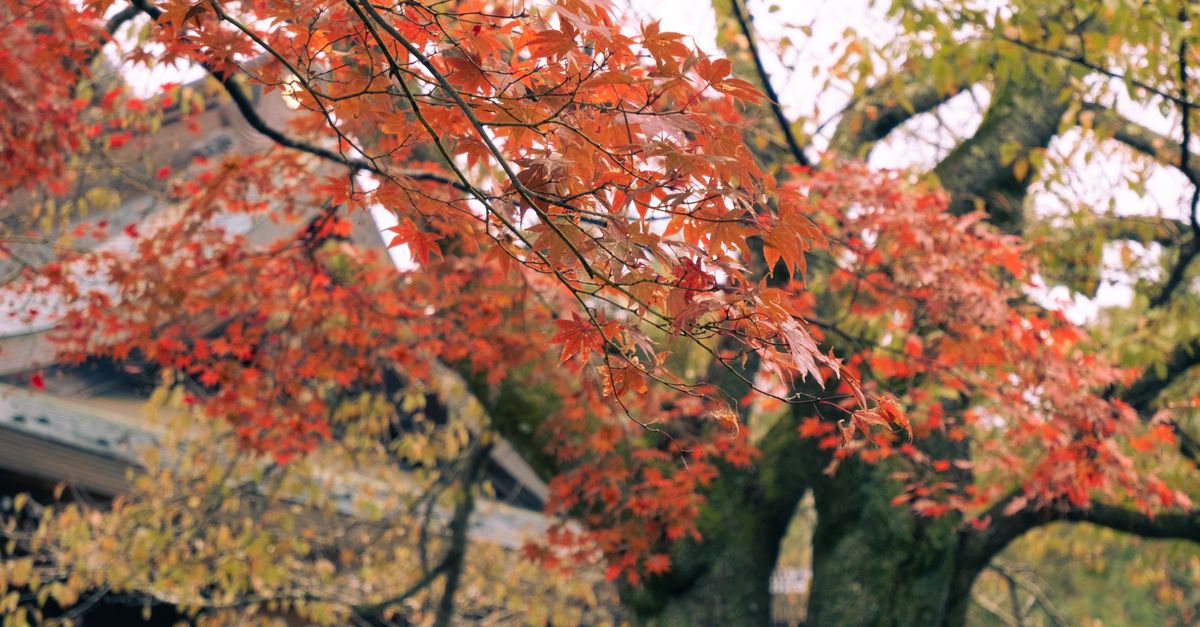
Mid-October to early November, and the peak in Seoul is the last week of October into the first week of November.
The colour starts in the north in late September and moves south through November, which means a trip running Seoul and then Busan in late October follows the front rather than missing it in both.
October is dry, clear and mild, the summer humidity has gone, and the mountains, which are most of Korea, are the point. Bukhansan inside Seoul's city limits in late October is one of the best urban hikes anywhere.
November cools quickly, averaging around 3 to 11 degrees, and the colour is finished in the north by mid-month.
The summer, plainly
The jangma, Korea's rainy season, runs from about late June to late July, sometimes into early August, moving gradually south to north.
July is Seoul's wettest month by a distance: around 415 mm across about 16 days, which is close to a quarter of the city's annual rainfall. Humidity peaks at the same time, and temperatures sit around 22 to 29 degrees.
It is not tropical afternoon rain. The jangma brings prolonged, heavy, persistent rainfall rather than a shower that clears, and it can flood.
August is hot and humid after the rains, and it is when Koreans take their own holidays, so the beaches and Jeju fill.
If you must travel in summer: go north and inland, use the museums and the cafés, and accept that this is the cheapest and least pleasant window.
Month by month
January and February. Genuinely cold, dry and clear, with Seoul regularly below freezing and a proper wind off the continent. Ski season in Gangwon. The cheapest months, and the palaces in snow are extraordinary.
March. Warming, and the blossom starts on Jeju at the end of it.
April. Cherry blossom. Mild, beautiful and unpredictable in its timing. Busy.
May. Excellent and underrated. Warm, dry, green, before the humidity and after the blossom crowds. Buddha's Birthday, a lunar date usually in May, fills the temples with lanterns.
June. Good until about the third week, then the jangma arrives from the south.
July. The wettest month. See above.
August. Hot, humid, and domestic peak season.
September. Improving through the month, with typhoon risk at the start and clear autumn weather by the end. Chuseok, the harvest festival, is a lunar date usually in September or early October, and it is the biggest domestic travel event of the year: transport is full, and many small businesses close.
October. The best month.
November. Crisp, clear, colour finishing, and prices falling.
December. Cold and bright, Christmas lights in Seoul, and the start of the ski season.
Short tourist stays only. Checked 21 Aug 2026; rules change without notice and the government page is the source of truth.
Check your own passport →Checked 21 Aug 2026.
Everything we check for South Korea →Picking a month for a specific trip
A first visit: October, without much argument.
Cherry blossom: the second week of April, or follow it south to north.
Hiking: October, then May. Korea is 70 per cent mountains and this is what they are for.
Cities and food only: any month. Seoul works in January and the winter street food is the point.
Skiing: January and February in Gangwon.
On a budget: December to February, outside the New Year, or the jangma if you can tolerate the rain.
The best time to visit Japan covers a climate Korea largely shares, and the blossom and foliage fronts move through both countries within a couple of weeks of each other.
What to skip
July, unless the price is the point.
Booking the first week of April and expecting peak blossom. Higher variance than the second week.
Travelling during Chuseok without booking transport well ahead.
Assuming the K-ETA waiver covers 2027.
One city for a blossom trip. Follow the front.
Writing off winter. Cold, bright, cheap and very good.
Before you book
South Korea in 10 days is the route these months apply to, on the KTX, and four days in Seoul has the capital with the transit card that pays from the fourth ride. Japan in 14 days and the best time to visit Japan cover the neighbouring country most people pair this with, and where to stay in Tokyo is the comparison for Seoul. Three days in Kyoto sits on the same blossom front a week or two later.
The Seoul city guide, the Busan city guide and the South Korea country guide carry the practicalities, and there is more in the when to go hub.
Rainfall figures and blossom timings checked September 2026. Blossom and foliage forecasts are published annually a few weeks ahead and the K-ETA suspension has a published expiry, so Korea's own K-ETA portal and the seasonal forecast are the sources to check rather than any guide, this one included. Here is how we research and re-check guides.