Day trips from Kyoto, and the case for reversing the whole trip
Six day trips from Kyoto with real train times, plus the March 2026 lodging tax that makes basing in Osaka and commuting in genuinely cheaper.
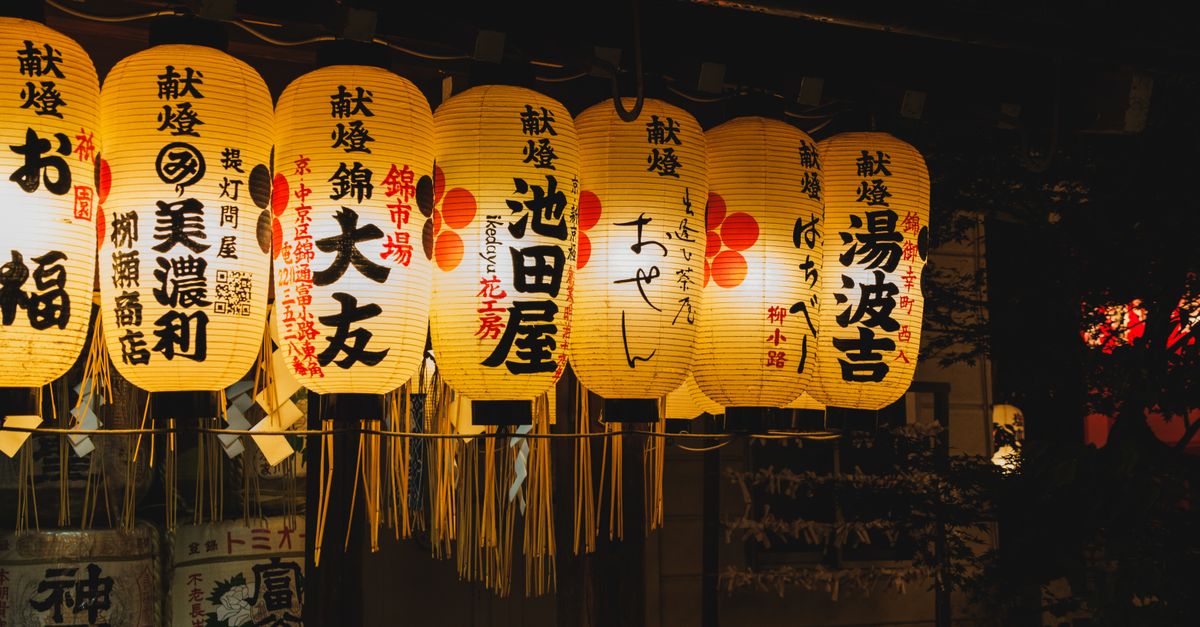
Photo · AXP Photography · Pexels
Kyoto sits in the middle of the densest concentration of day trips in Japan. Nara, Osaka, Uji, Himeji, Kobe and Kurama are all under an hour and a quarter, and none of them needs a car.
There is also a new reason to think about this differently. Kyoto's accommodation tax rose sharply on 1 March 2026, and for some travellers the right move is now to reverse the trip entirely.
Japanese yen. Convert any figure on this page into your own currency at today's published rate.
Open the currency converter →The tax that changed the arithmetic
On 1 March 2026 Kyoto restructured its lodging tax and it is now the highest in Japan. Per person, per night:
| Room rate, per person, per night | Was | Now |
|---|---|---|
| Under ¥6,000 | ¥200 | ¥200 |
| ¥6,000 – ¥19,999 | ¥200 | ¥400 |
| ¥20,000 – ¥49,999 | ¥500 | ¥1,000 |
| ¥50,000 – ¥99,999 | ¥1,000 | ¥4,000 |
| ¥100,000 and above | ¥1,000 | ¥10,000 |
It is charged per person, not per room. A family of four in one room at ¥80,000 a night pays ¥4,000 each, which is ¥16,000 a night in tax alone.
Now compare Osaka, fifteen minutes away on the shinkansen: rooms under ¥5,000 a head pay nothing at all, and the band above that is ¥200.
So the reversal is a real option. Base in Osaka, pay less for the room and far less in tax, and treat Kyoto as the day trip. What you give up is the early morning, which in Kyoto is not a small thing: Fushimi Inari and the Arashiyama bamboo at seven are different places from the same spots at ten.
Our call: if your budget puts you in the ¥6,000 to ¥20,000 band, stay in Kyoto and eat the ¥400. If you are looking at ¥50,000 rooms or travelling as a family of four, run the sum before you book, because it may pay for the train several times over. Kyoto or Osaka argues the wider version of this choice.
1. Nara
About 45 minutes on the Kintetsu line from Kyoto Station.
Todai-ji holds the Great Buddha, a 15-metre bronze figure inside what is one of the largest wooden buildings of its kind in the world. Kasuga Taisha has three thousand stone and bronze lanterns along its approach. Nara Park has the deer.
On the deer, honestly: they are wild animals, not a petting zoo. They bow, which is charming, and they will also headbutt a bag that smells of the crackers sold at the stalls. Do not hold food above your head, and do not give crackers to a small child to hand out.
Half a day covers Todai-ji and the park. A full day adds Kasuga Taisha and the Naramachi merchant district, which almost nobody walks and which is the best part.
What we cannot show you: Nara is not in our catalogue, so there is no live room shelf or bookable-activity shelf for it here. That is a real gap, because Nara is the most-recommended day trip in Japan. The Kyoto shelves below are real rooms and real tours for your dates.
2. Osaka, in the evening
15 minutes by shinkansen, about 30 on the ordinary Kyoto line.
Go at four in the afternoon, not at nine in the morning. Osaka is a food city and its best hours are after dark: Dotonbori and the canal, Shinsekai for kushikatsu, the izakaya alleys under the tracks at Tenma.
Two days in Osaka is the full version if you would rather give it a night.
3. Uji
About 20 minutes on the JR Nara line, and the shortest trip on this list.
Byodo-in, the temple on the ten-yen coin, with the Phoenix Hall reflected in its pond, and a town that is the centre of Japanese green tea. Every second shop sells matcha and several will let you grind your own.
A half day, and the right one if Kyoto has already given you temple fatigue, because Uji is small and green and quiet.
4. Himeji
About an hour each way on the shinkansen, and the castle is a ten minute walk straight up the road from the station.
This is the castle. Japan has many and most were burned down and rebuilt in concrete after the war. Himeji was never destroyed, so what you climb is original timber: worn steps, low beams, and a defensive layout that makes sense only when you are inside it.
Allow ninety minutes inside plus the queue, which on weekends and in cherry blossom season is substantial and is managed by numbered entry tickets.
5. Kobe
About 30 minutes by rapid train.
A port city with a foreign quarter of nineteenth century Western houses, a very good sake district at Nada, the Earthquake Memorial Museum, and the beef, which is a genuine appellation and is priced accordingly.
Combine it with Himeji, since they are on the same line, if you want a long day out west.
6. Kurama and Kibune
About 30 minutes north on the Eizan line, which is a small train up a valley.
Two villages linked by a two hour mountain walk over a pass, with a temple at the Kurama end and an onsen, and in summer, restaurants at Kibune serving over platforms built above the river.
This is the one for autumn, when the Eizan line runs through a tunnel of maples, and the one to skip if anyone in the party dislikes hills.
Getting the trains right
Two things worth knowing before you buy anything.
The Japan Rail Pass is unlikely to pay on a Kyoto-based trip. It went up substantially in price and it does not cover the Kintetsu line to Nara, the Hankyu and Keihan lines to Osaka, or the Eizan line to Kurama. Most of these trips are cheap regional fares. Buy an IC card instead, Suica or ICOCA, and tap.
The exception is Himeji and Kobe, which are shinkansen or JR rapid and which a regional pass can cover. Japan's national tourism organisation keeps the current pass comparisons, and they have changed more than once in the last two years.
Visa-free · 90 days, on all five passports we check.
Short tourist stays only. Checked 21 Aug 2026; rules change without notice and the government page is the source of truth.
Check your own passport →Checked 21 Aug 2026.
Everything we check for Japan →What to skip
Feeding deer crackers to a toddler in Nara. They will be surrounded.
A day trip to Tokyo. It is over two hours each way on the shinkansen and costs more than most people's daily budget. It is a separate leg of a trip.
Buying a Japan Rail Pass for a Kansai-only week. Run the sum.
Osaka in the daytime, if you only have one visit in you.
Himeji on a cherry blossom weekend without checking the entry system. Numbered tickets, long waits.
Booking a ¥60,000 Kyoto room without reading the first section. The tax on it quadrupled in March.
Before you book
Three days in Kyoto is the city itself and where to stay in Kyoto is the neighbourhood breakdown, both worth rereading now the tax has changed. Kyoto or Osaka argues the base question, two days in Osaka is the neighbour, and Japan in 7 days and Japan in 14 days put Kansai into a full route. What a Japan trip costs has the budget with the new taxes in it.
The Kyoto city guide and the Japan country guide carry the practicalities, and there is more in the itineraries hub. When you are ready, Kyoto rooms are here and the bookable half is here.
Tax bands and journey times checked September 2026. Kyoto's lodging tax changed on 1 March 2026 and the departure tax on 1 July, so Kyoto's own city tourism pages are the source to confirm the current bands rather than any guide, this one included. Here is how we research and re-check guides.