What to pack for Morocco
Morocco is hot in the day and genuinely cold at night, and the riads are unheated. The list, the modesty question answered practically, and the shoes.
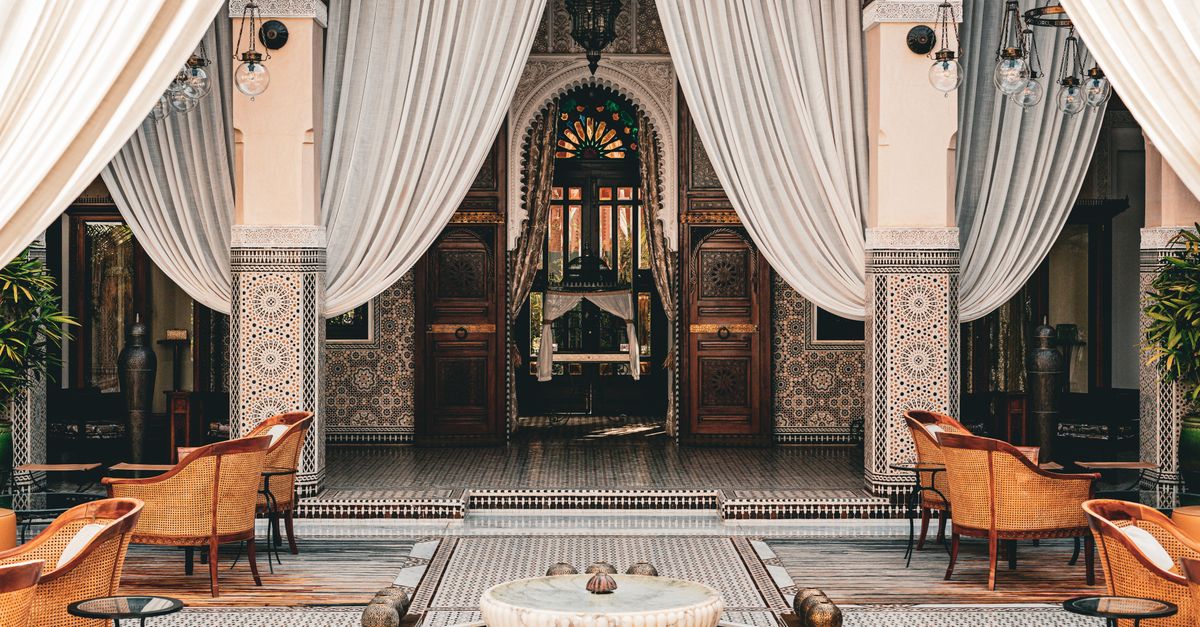
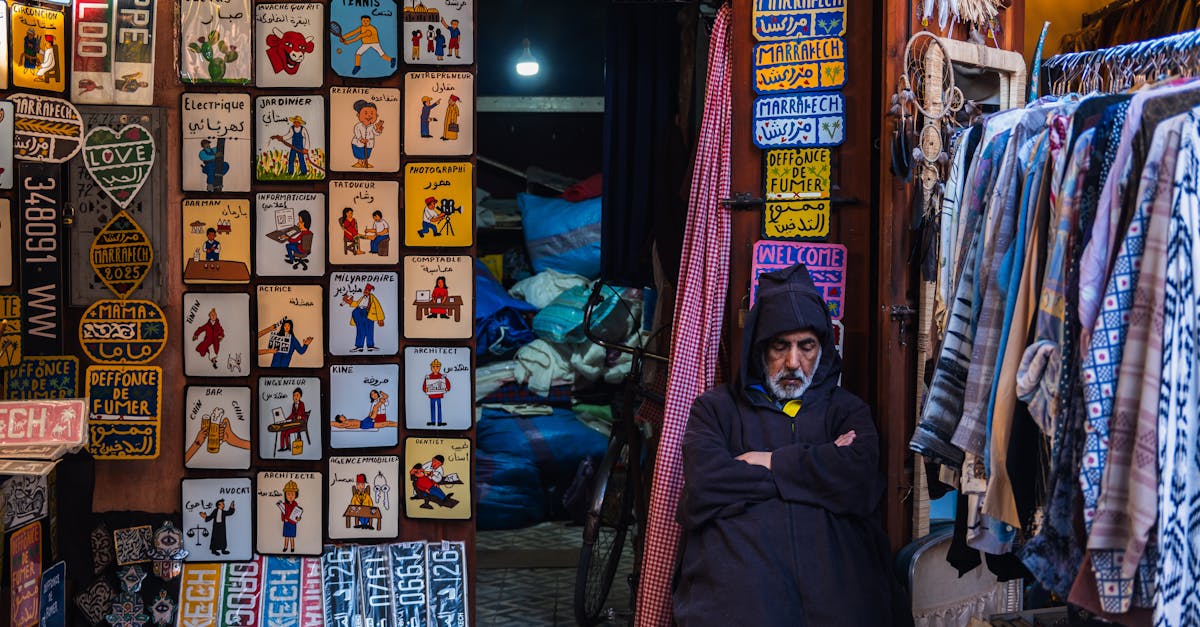
Photo · Flavio Vallone · Pexels
Morocco catches people out in two directions at once.
It is hot in the day and genuinely cold at night, in every season, and the riads are open to the sky and usually unheated.
And the clothing question has a practical answer rather than a moral one.
Moroccan dirham. Convert any figure on this page into your own currency at today's published rate.
Open the currency converter →The temperature swing
Marrakech in April: roughly 12 to 26 degrees. In January: roughly 6 to 18, and the nights feel colder than the number because nothing is heated.
The desert is the extreme version. Merzouga can be 35 in the afternoon and approach freezing before dawn, in the same 24 hours, and in winter it genuinely does freeze.
And the riad courtyards are open to the sky. They are wonderful in summer and they are cold from November to February, and heating is often a single portable heater. Ask before you book winter dates, which our Marrakech areas guide also flags.
The clothing question, answered practically
Shoulders and knees covered, for everyone. That is the sensible default.
It is not a requirement. Morocco is relaxed by regional standards, particularly in Marrakech, Essaouira and on the coast, and nobody will stop you wearing what you like.
It is practical for two reasons. It noticeably reduces attention in the medinas, which our Marrakech safety guide covers honestly. And loose light fabric is cooler than less of it in dry heat, which is why local dress looks the way it does.
Women do not need to cover their hair. Not anywhere a visitor will go. A light scarf is genuinely useful for sun, dust and the occasional site, which is why most people carry one, and it is not about modesty. The national tourist office says the same thing plainly, which is worth reading if you have been told otherwise.
The list
Clothes
- Loose long trousers or a long skirt, 2 pairs
- Loose long-sleeved shirts, 2 to 3
- T-shirts, 2 to 3
- A warm layer. A fleece or light down jacket. **This is the item people
leave behind and regret.**
- A light scarf
- A brimmed hat
- Swimming costume, for the riad plunge pool and the coast
Feet
- Closed, comfortable, worn-in shoes. The medina lanes are uneven,
frequently wet from washing or from the dyeing, and shared with motorbikes and mules.
- Sandals for the riad and the beach, not for a day in the souks.
Practical
- Cash and a coin purse. Morocco runs on cash outside hotels, and small
notes are what you need constantly, for taxis, tips and the souks.
- A dust-proof bag or case for a camera.
- Wet wipes and hand sanitiser.
- A reusable water bottle with a filter, or budget for bottled.
- A power adapter, because Morocco uses the European two-pin type.
- Tissues, because public toilets frequently have no paper.
For the desert specifically
If you are doing the real Sahara, which our Marrakech day trips guide is blunt is a three-day commitment rather than a day trip:
- A warm jacket and a hat for the night. Non-negotiable.
- A scarf for the dust, and the blue cotton cheche sold locally works
better than anything you brought.
- A head torch, because the camps have limited power.
- Sunglasses and lip balm.
- A small bag for one night, because your main case stays in the vehicle or
at the hotel.
What not to bring
Anything you would mind getting dusty. The dust gets into everything, particularly on the desert route.
Expensive jewellery, which is unnecessary attention.
Shorts, if you want a quieter walk through a medina. They are not banned and they are conspicuous.
A lot of toiletries. Moroccan pharmacies are excellent and the argan oil and black soap are worth buying there rather than carrying.
And a hard suitcase, if any part of your trip is in the medina. Your riad is down lanes a car cannot reach and you will be walking the last stretch over uneven ground.
Checked 21 Aug 2026.
Everything we check for Morocco →The seasonal version
April and October, the two best months: everything above, and the warm layer still matters at night.
Summer, June to August, inland: the lightest, loosest clothing you own, a hat that actually shades, and a plan that avoids the middle of the day. Our Moroccan calendar is honest that inland summer is punishing.
Winter, December to February: add a proper coat, and check the riad's heating.
And the coast runs its own weather. Essaouira is windy year-round and cooler than the interior in every month, so a windproof layer earns its place there.
Visa-free · 90 days, on all five passports we check.
Short tourist stays only. Checked 21 Aug 2026; rules change without notice and the government page is the source of truth.
Check your own passport →Before you book
Morocco for first-timers has the route and the two good months, and the Moroccan calendar has the year.
Where to stay in Marrakech settles the riad question, including the winter heating point, and is Marrakech safe covers the medina honestly.
The packing hub collects the rest and the Morocco country page has the practical layer.
Climate figures and practical guidance checked September 2026 against the Moroccan national tourist office and the UK Foreign Office travel advice for Morocco. Desert overnight temperatures vary substantially by season and altitude, so check the specific forecast for the dunes rather than for Marrakech. Here is how we research and re-check guides.