Day trips from Marrakech
The Sahara is not a day trip from Marrakech and half the tours sell it as one. Six trips that work, the drive times, and what the desert actually needs.
Photo · Hamza Semsamaili · Pexels
Marrakech sits between a mountain range and the Atlantic, and the good day trips go in one of those two directions.
The one that does not work is the one that is sold hardest.
Moroccan dirham. Convert any figure on this page into your own currency at today's published rate.
Open the currency converter →The desert, honestly
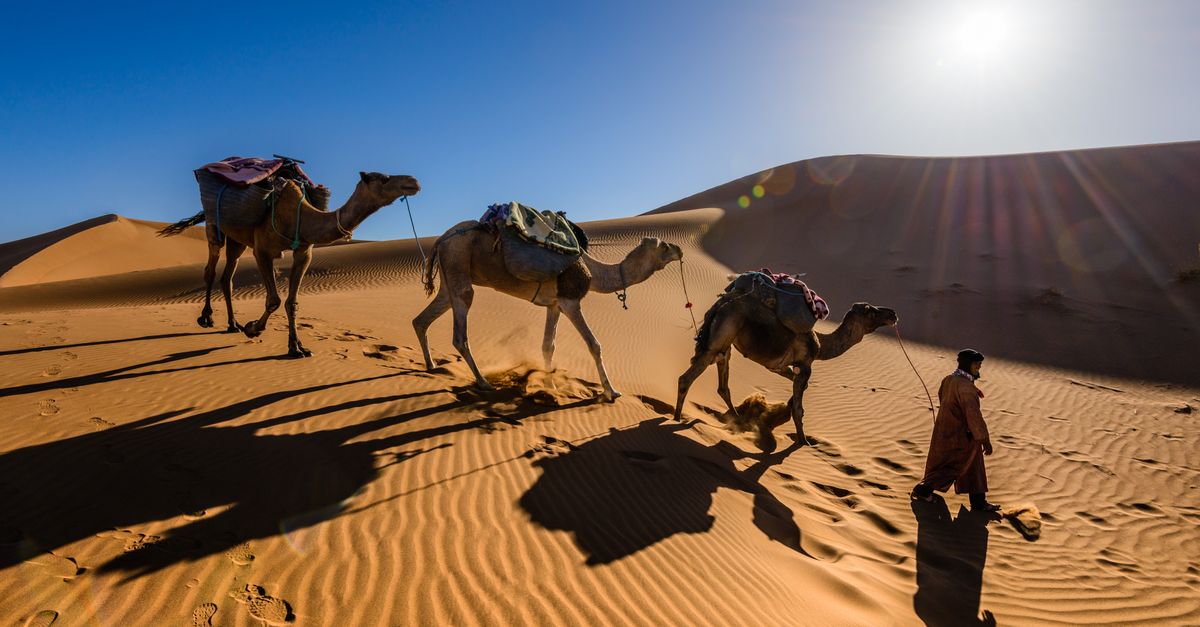
The Sahara is not a day trip from Marrakech.
Merzouga and the Erg Chebbi dunes are nine to ten hours' drive each way. The real Sahara from here is a three-day trip at absolute minimum, and it is worth those three days. The national tourist office describes the desert regions and the distances involved, which the tour listings tend not to.
What is sold as a "desert day trip" is the Agafay, a stony desert about 45 minutes from the city with camps, camel rides and dinner under the stars. It is a pleasant evening. It is rock and scrub rather than sand dunes, and it is about an hour from a large city.
Go with that understood and it is a nice night out. Book it believing you are seeing the Sahara and you will be disappointed at the end of a long day.
The six that work
1. The Ourika valley, for the easiest mountains
About 90 minutes into the High Atlas, following a river up a green valley through Berber villages to a set of waterfalls at Setti Fatma.
The temperature drops about ten degrees, which in summer is the entire point.
The catch: the lower valley is heavily set up for visitors, with a line of riverside cafes and a lot of hard selling. Go further up and it improves sharply.
2. Imlil and Toubkal's foothills, for the real thing
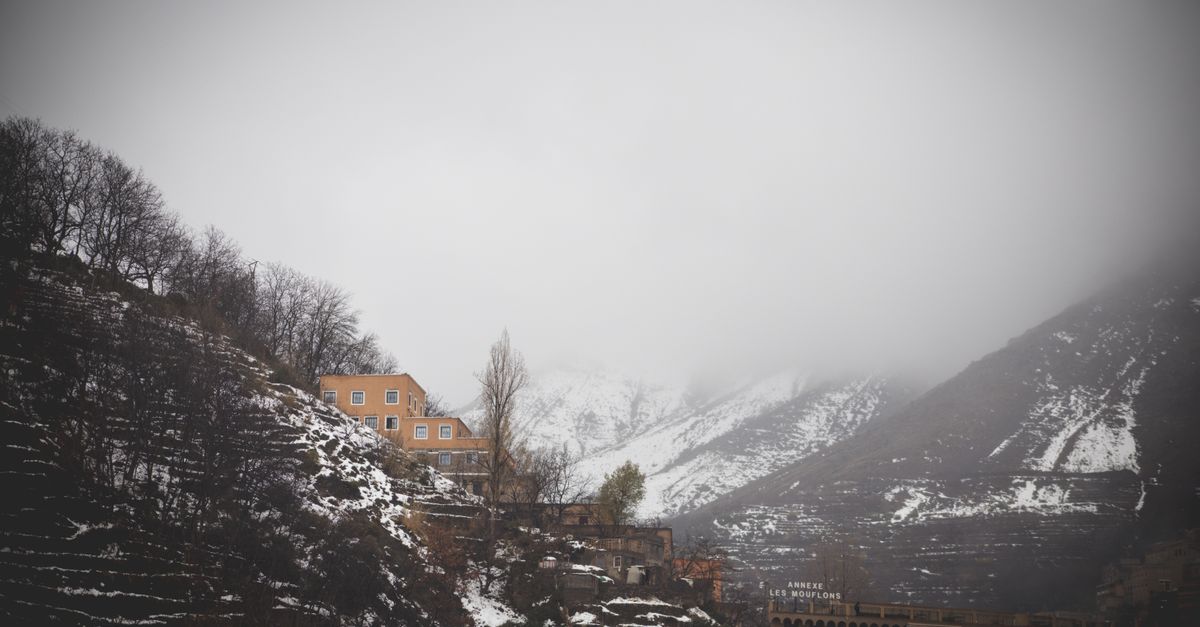
Ninety minutes to the village at the head of the valley, at 1,740 metres, and the trailhead for Mount Toubkal, which is the highest peak in North Africa.
You do not need to climb it. A half-day walk from Imlil to Aroumd and the surrounding villages, with a mule and a local guide, is one of the best days available from Marrakech.
Hire a local mountain guide. It is inexpensive, it is considerably safer on the paths above the village, and it is how these villages earn from visitors.
3. Ouzoud waterfalls, the best value day
About three hours each way to a 110-metre waterfall dropping into a gorge, with wild macaques along the path down and rainbow spray at the bottom.
Go in the morning. The afternoon light is behind the falls and the crowd builds through the day.
Spring is the best time, when the snowmelt is coming through and the flow is at its highest.
4. Essaouira, for the sea
Two and a half to three hours each way to a walled Atlantic fishing port with blue boats, ramparts, a working fish market and a wind that never stops.
It is a completely different Morocco to Marrakech: cooler, slower, and considerably less intense.
The honest note: Essaouira is not a city in our catalogue, so there are no rooms to show you here, and it is a much better overnight than a day trip. Three hours each way leaves about four on the ground, and the town is worth longer than that.
There is a good direct bus, which is the cheap way to do it.
5. Aït Benhaddou and the Ounila valley
Four hours each way over the Tizi n'Tichka pass, which is a spectacular mountain road and the reason the day is long.
The ksar at Aït Benhaddou is a fortified earthen village on a hillside that has appeared in a great many films, and it is genuinely remarkable.
A long day and worth it once. Better still, it is the natural first stop on the three-day desert route, which is how we would do it.
6. The Agafay, for an evening rather than a day
Covered above. As an evening it is good: leave at four, camels or quad bikes at five, dinner and stars, back by eleven. As a "desert day trip" it is misdescribed.
Practical, for all of them
Shared tours are inexpensive and are the normal way to do the Atlas trips. A private driver for the day costs more and is often worth splitting between four.
Agree the price and what it includes before you leave, specifically whether lunch, the guide and the entry fees are in it.
Expect a stop at an argan oil cooperative on the Essaouira road and at a carpet shop on the Atlas roads. Some are genuine women's cooperatives and worth the stop; some are commission stops. You can decline.
Dress for the mountains even in summer. Imlil in a t-shirt at 1,700 metres in the late afternoon is cold.
When to go
April and October are the two best months in the Moroccan year, and our April guide explains why they are so narrow.
Summer is the case for the mountains specifically. When Marrakech is at 40 degrees, the Ourika valley and Imlil are the reason to be here at all.
Winter is excellent for the city and the coast, and the Atlas passes can have snow, which occasionally closes the Tizi n'Tichka. The Moroccan calendar has the rest.
Checked 21 Aug 2026.
Everything we check for Morocco →Visa-free · 90 days, on all five passports we check.
Short tourist stays only. Checked 21 Aug 2026; rules change without notice and the government page is the source of truth.
Check your own passport →Before you book
Where to stay in Marrakech settles the riad question, and three days in Marrakech is the city itself.
The Morocco route is where the real desert fits, and the Moroccan calendar decides the month.
The itineraries hub collects the rest and the Morocco country page has the practical layer.
Drive times and regional detail checked September 2026 against the Moroccan national tourist office and current operator schedules. Mountain road conditions change with snow in winter and the Tizi n'Tichka can close, so check before committing to the Aït Benhaddou day.