Is Marrakech safe?
Violent crime is rare and the hassle is real, and conflating the two helps nobody. The specific scams by name, the square after dark, and what actually works.
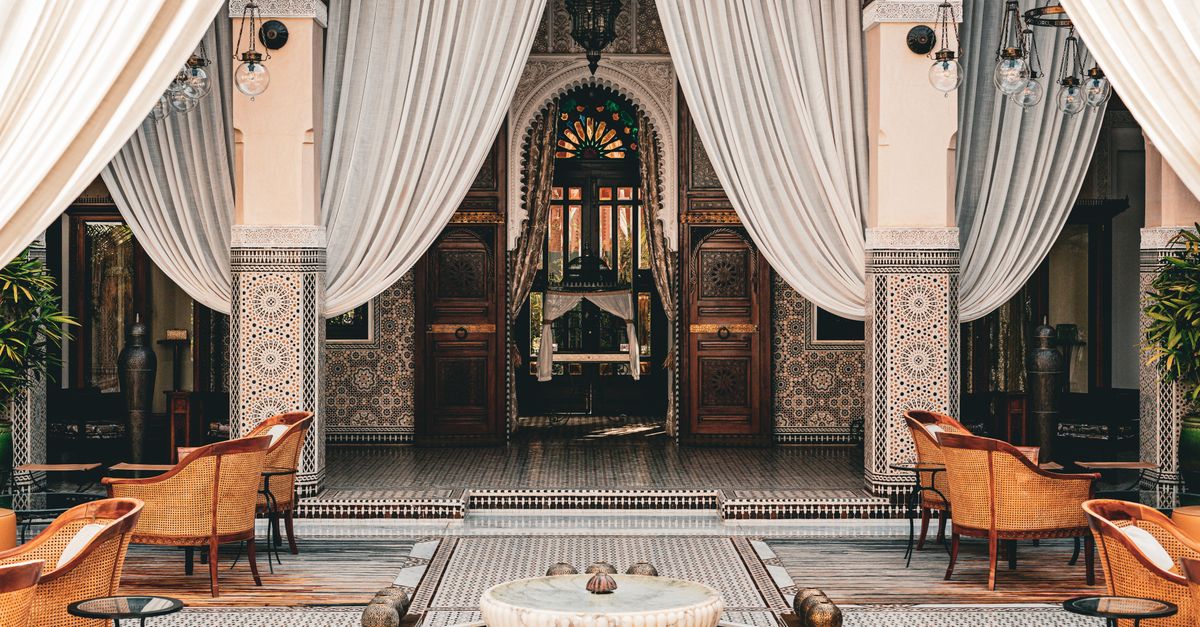
Photo · Fabnel LDN · Pexels
Yes, in the ordinary sense. Violent crime against visitors is rare, the medina is busy and watched until late, and the great majority of trips involve no safety incident at all.
What Marrakech has is commercial hassle, which is persistent and wearing and is a completely different thing.
Conflating the two is what makes most safety writing about this city useless, because it either dismisses a real experience or dresses it up as danger.
Moroccan dirham. Convert any figure on this page into your own currency at today's published rate.
Open the currency converter →The specific things, by name
Vague warnings are not useful. These are the four you will actually meet.
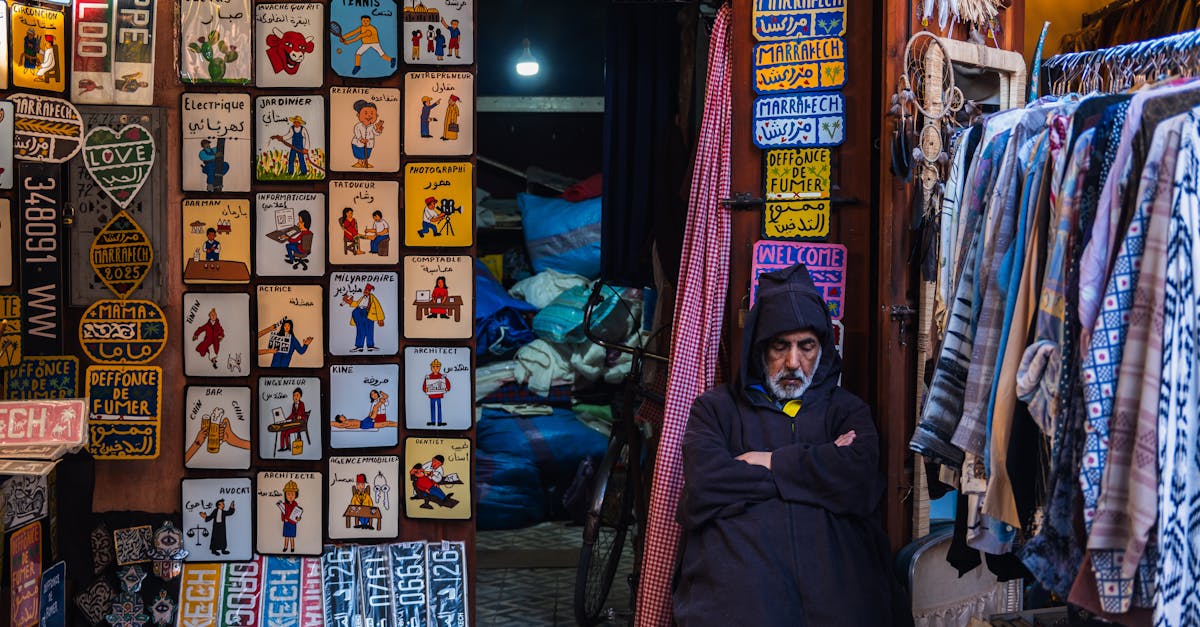
The unofficial guide. Someone attaches himself to you in the souk, walks ahead, points at things, and expects payment at the end. He may be helpful and he is not a guide. Say no clearly at the start rather than politely at the end.
The redirection. "The square is closed today." "That way is prayer time." "The tannery is only open this morning, come, I show you." The destination is always a shop. The square is never closed.
The henna. A woman takes your hand and starts applying henna before any price is agreed, then names a figure. Keep your hands to yourself and say no while they are still empty. The dye used is sometimes not natural henna and can irritate skin.
The animals. Monkeys and snakes in Jemaa el-Fnaa. A photograph, and then a demand, and the demand escalates. Do not photograph them at all, which is also the right call on animal welfare grounds.
All four are commercial rather than criminal, and all four end if you keep walking. That is the single most useful sentence here, and it is consistent with the UK Foreign Office's own assessment, which describes petty crime and scams rather than violent risk.
What actually works
Say no once, clearly, and keep moving. Politeness that reads as hesitation extends the conversation. A firm la, shukran and continued walking ends it.
Do not stop to look at your phone in the middle of a lane. Step into a doorway.
Agree taxi fares before you get in, or insist on the meter. Your riad will tell you what a given trip should cost, and asking on the first morning is the most useful five minutes of the trip. Our areas guide covers this.
Book guides through your riad. Official guides are licensed and can show it.
Carry small notes. A lot of friction is about not having change.
The medina, and getting lost
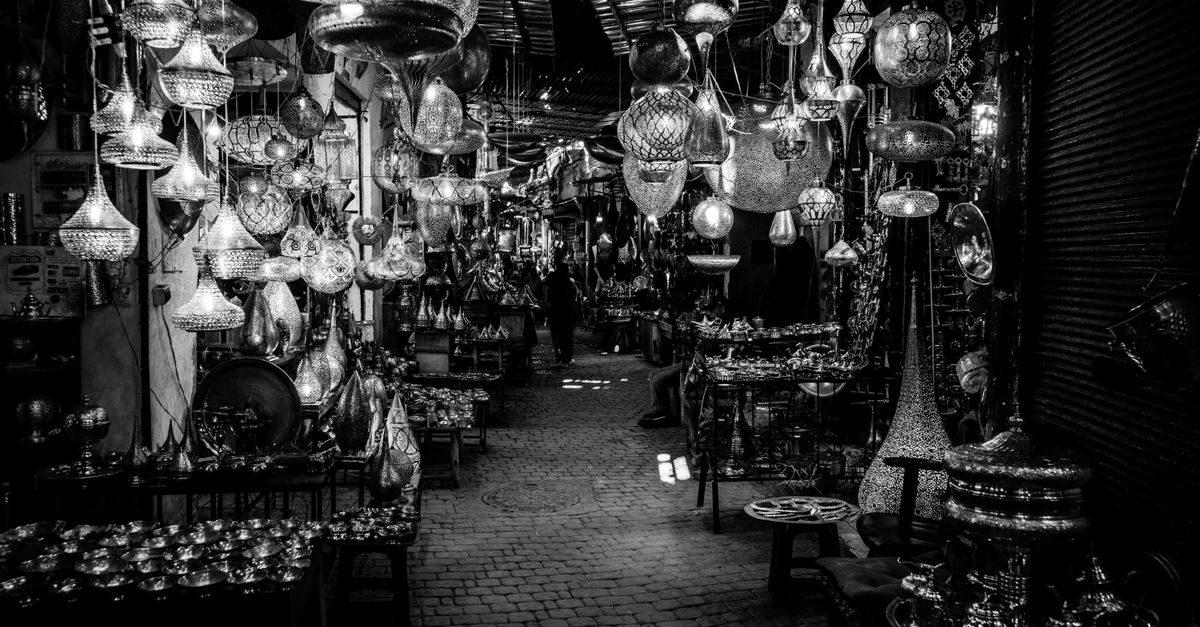
You will get lost. The lanes are unnamed, phone navigation fails inside the walls, and this is normal rather than a warning sign.
Getting lost is not dangerous. It is inconvenient, and the medina is small enough that walking in one direction reaches a wall or a main lane within about fifteen minutes.
If you need help, ask a shopkeeper standing in their own doorway rather than someone who approaches you. Small children sometimes offer to guide you and then demand payment, which is the junior version of the first scam above.
Motorbikes in the lanes are the genuine physical hazard. They come fast, from behind, in gaps you would not think a bike fits through. Walk to one side and listen.
Jemaa el-Fnaa after dark
Busiest and best after dark, and this surprises people who have been told to avoid squares at night.
Food stalls, musicians, storytellers and crowds until late. It is a place to keep a bag closed and a phone in a pocket rather than a place to avoid.
At the food stalls, agree what you are ordering and check the bill. Extra plates arriving unordered is a routine practice and you can decline them.
The lanes off the square are quieter and are where to be more deliberate, which is true of any city.
Solo women, honestly
Manageable, and it takes more energy than most European cities.
Street comment is common and persistent, and it is very rarely threatening. Most solo women report the medina as entirely fine in daylight and prefer a taxi after dark, which is what a lot of local women do too.
What reduces it: covering shoulders and knees, sunglasses, walking with purpose, headphones, and not responding at all. Responding, even to decline, tends to extend it.
A riad rather than a hotel helps, because the staff know you and will arrange taxis and meet you at the vehicle point.
None of this is a reason not to go, and it is worth knowing rather than discovering.
Dress, which is practical rather than moral
Shoulders and knees covered for everyone is the sensible default. Morocco is relaxed by regional standards and Marrakech more so, and covering up reduces attention noticeably.
Nobody will require it of you in the medina. It simply makes the day easier.
Checked 21 Aug 2026.
Everything we check for Morocco →What is genuinely rare
Violent crime against visitors. It happens, as it does everywhere, and it is not the pattern here.
Drink spiking, in a city where most people are not drinking.
Serious theft. Pickpocketing exists in the crowded souk and the square, at a level comparable to Barcelona or Rome.
The honest summary
Marrakech is a safe city with an exhausting first day.
Almost everyone finds day one overwhelming and day three fine, because you learn the rhythm: say no, keep walking, agree prices first. Once that is automatic, the hassle becomes background and the city is one of the most rewarding places in North Africa.
If you have three days, the third is the good one. Our three-day route and day trips guide cover what to do with them, and the day trips guide is blunt about the Sahara being nine to ten hours away rather than a day trip.
Visa-free · 90 days, on all five passports we check.
Short tourist stays only. Checked 21 Aug 2026; rules change without notice and the government page is the source of truth.
Check your own passport →Before you book
Where to stay in Marrakech settles the riad question and explains why the first-night transfer is worth booking.
Three days in Marrakech is the itinerary and day trips from Marrakech is honest about the desert.
Is Mexico City safe is our other guide of this kind, answered the same way: by area, by hour, and by naming the specific thing.
The first trips hub collects the rest and the Morocco country page has the practical layer.
Current conditions and official guidance checked September 2026 against the UK Foreign Office travel advice for Morocco and the Moroccan national tourist office. Government travel advice differs by country and is updated continuously, so read your own government's current page rather than any guide.