Where to stay in Seville, the city that charges you nothing to sleep in it
Santa Cruz for the postcard, Alfalfa for the food, Triana for value. Plus the tourist tax Seville still does not charge, and what that is worth.
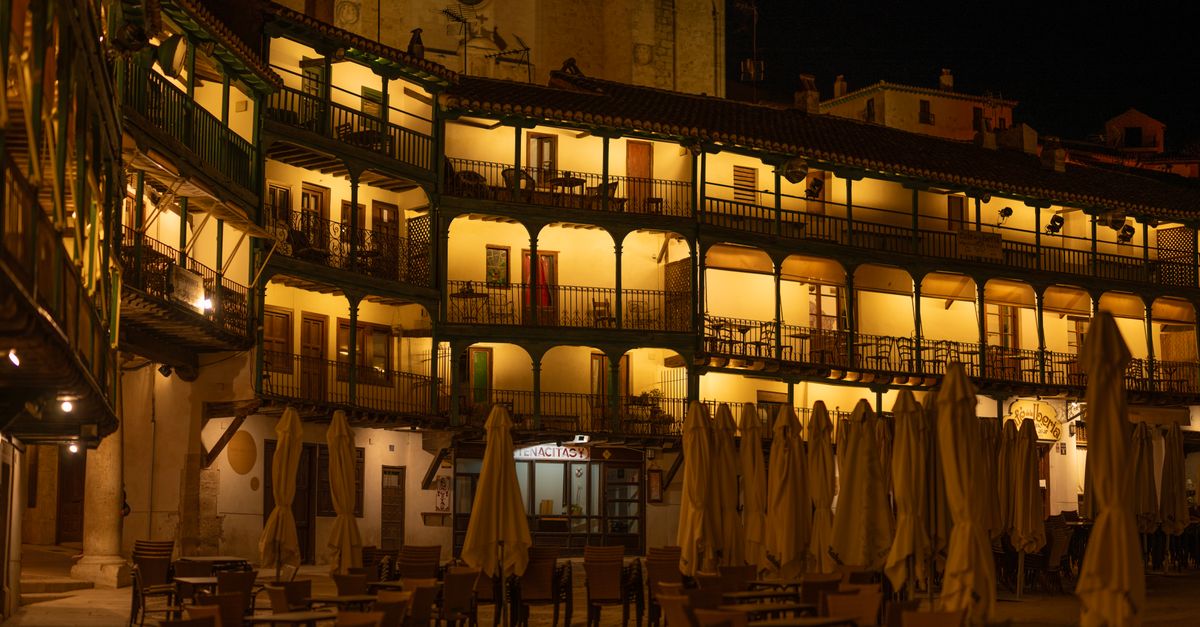
Photo · Jose Rodriguez Ortega · Pexels
Seville is the rare European city where the price you are quoted is close to the price you pay. Andalusia charges no accommodation tax, and the city has been refused permission to add one of its own, so there is no per-night, per-person line waiting at checkout.
Where to actually sleep: Alfalfa for most trips, because it is central and it is where the city eats. Santa Cruz for a short first visit, if you want to walk out of the door into the old town and will forgive the crowds. Triana for value and for life after midnight. Nervión only for business.
Euro. Convert any figure on this page into your own currency at today's published rate.
Open the currency converter →The tax that is not there, and what it is worth
Every comparable Spanish and Italian city break now carries a per-person nightly charge. Seville does not, because the tax is a regional power in Spain and Andalusia has never introduced one. Seville city hall has asked, repeatedly, for permission to levy something in the region of 50 cents to two euros a night. It has been refused each time.
The arithmetic is worth doing, because it is invisible on a booking page. Two adults, five nights, a four-star:
| Per person, per night | Two adults, five nights | |
|---|---|---|
| Seville | €0.00 | €0.00 |
| Milan, from 1 April 2026 | €10.00 | €100.00 |
That is a hundred euros of difference that turns up at the desk rather than in the search results, and it is roughly a night's room in Triana. The Milan figures are here, including the fact that the rate went up twice in 2026.
How the city actually works
The Guadalquivir runs down the western edge. Everything most people come for sits in a knot on the east bank: the cathedral and the Alcázar at the southern end, the Setas and the market at the northern end, about a twenty-five minute walk apart. Seville's old town is small enough that the neighbourhood question is about atmosphere and noise, not about commute.
Cross the river and you are in Triana, which is a genuine neighbourhood rather than an annexe, and which is eight minutes on foot from the cathedral over the Isabel II bridge.
The one part that is not walkable is Nervión, the modern commercial district east of the old town, along with Santa Justa, the mainline station. Both are a tram ride or a further fifteen minutes on foot beyond where they look.
The areas
Alfalfa and Encarnación, the answer for most trips
The blocks between Plaza de la Alfalfa and the Setas de Sevilla are the part of the old town where Sevillanos still eat. Narrow streets, a working market at Mercado de la Encarnación underneath the mushrooms, and enough bars that you can walk out at 9pm without a plan.
Who it is for: anyone on a second visit, anyone travelling for the food, and anyone who wants a central base without paying the Santa Cruz premium for the privilege of being photographed.
The catch: it is loud on Friday and Saturday. Ask for a room off the street, or accept that Seville's night starts late and finishes later.
Santa Cruz, for the postcard, with conditions
The old Jewish quarter east of the cathedral. Whitewashed lanes, orange trees, patios you can see into, and the Alcázar wall at the end of it.
It is genuinely lovely, and it is the most photographed few hectares in Andalusia, which is the whole problem. By eleven in the morning the main lanes are a queue moving at walking pace.
Book the eastern edge, around Santa María la Blanca, rather than the middle. You are four minutes from the Alcázar gate, the streets are wide enough for a car to reach the door, and the restaurants have local customers in them.
The catch other guides skip: many Santa Cruz addresses cannot be reached by taxi at all. Arriving with a large case, on cobbles, in August, at three in the afternoon, that last four hundred metres is a real consideration.
Triana, for value and for the evening
Across the Isabel II bridge, and the neighbourhood that gave Seville its flamenco, its ceramics and most of its bullfighters. Calle Betis along the waterfront carries the view back at the Torre del Oro that every Seville photograph is taken from.
What it costs: consistently below the old town for an equivalent room, and the gap widens in spring, when Santa Cruz and Alfalfa are pricing for the festival calendar and Triana is not.
Who it is for: second visits, longer stays, anyone who wants dinner at 10pm surrounded by people who live there. The Mercado de Triana at the bridge end is the best cheap lunch in the city.
The catch: you cross a bridge every day. It is a lovely bridge and it takes four minutes, and in a July heatwave it is four minutes with no shade.
Alameda de Hércules, for going out
North of the centre, a long tree-lined plaza that was a marsh, then a slum, then the city's gay quarter, and is now where Seville drinks. Bars down both sides, live music, and the cheapest beds in the old town.
Who it is for: under-35s, solo travellers, anyone whose plan involves being out past 2am. Who it is not for: light sleepers, and anyone holding a 9am Alcázar slot.
San Vicente and San Lorenzo, the quiet compromise
The residential strip north-west of the centre, around the Museo de Bellas Artes and out towards the Basílica de la Macarena. Ten to fifteen minutes from the cathedral, noticeably calmer, noticeably cheaper, and full of the kind of corner bar that has no English menu and no need of one.
This is where we would put a family, or anyone staying more than four nights.
Nervión, and why we are not sending you there
East of the old town, past the Prado de San Sebastián. Modern, comfortable, well connected by tram, and priced for business travellers, which means cheap at weekends and dear midweek. It is a fifteen to twenty minute walk, or one tram ride, from anything you came to see.
Stay here if your conference is at FIBES, or you need a car and somewhere to put it. Otherwise it is a saving that costs you the reason you came.
The Alcázar, and the booking rule nobody prints
The Real Alcázar is the thing to get right, because it is the one sight in Seville that regularly sells out completely.
- Standard entry is €15.50, plus a €1 online booking fee, checked September 2026.
- Entry runs in 30 minute slots, and you choose one at booking.
- Tickets are released about two months ahead, and no further. In April and May the morning slots go days to weeks before the date.
That release window is the part that catches people out. There is no point looking in November for a March visit, and there is every point setting a reminder for the day the window opens. Book on the official site rather than through a reseller, unless you specifically want a guided tour.
The weeks to avoid, and the fortnight to book
Seville has two festivals that own the calendar and distort every rate in the city.
Semana Santa fills the old town with processions that close streets without notice for hours at a time. It is extraordinary, and it is not a sightseeing week: the Alcázar queue, the cathedral and your dinner reservation are all subordinate to where a brotherhood happens to be.
The Feria de Abril is the one to be honest about. It looks, in photographs, like a public festival. It is mostly not. The fairground is over a thousand casetas and the overwhelming majority are private, belonging to families, firms and clubs, and you cannot walk into one without knowing somebody. A handful of public casetas are run by the district councils. If the plan is to turn up and be swept into the party, that plan needs an invitation in it.
In 2027 the two fall unusually close, Semana Santa from 21 to 28 March and the Feria from 13 to 18 April. The fortnight between them is the best window in the Seville year: warm, everything open, the orange blossom finished and the heat not started, and rates back to normal for about fifteen days.
The heat, plainly
August in Seville regularly runs past 40 degrees in the afternoon. The city record is 47.4°C, set on 14 August 2021. The old town is built to cope with this, with shaded lanes, thick walls and a working siesta. The visitor economy is not: an Alcázar slot at 2pm in August is an hour on unshaded stone.
If you must come in summer, book somewhere with a pool or a patio and treat 1pm to 6pm as indoor time. That is not a lifestyle tip, it is how the city itself operates.
Where we cannot give you a number: average room rates in Seville swing more by week than by neighbourhood, because of those two festivals, so a citywide average would mislead more than it helped. The shelves above price your actual dates, which is the only honest way to answer it.
Short tourist stays only. Checked 21 Aug 2026; rules change without notice and the government page is the source of truth.
Check your own passport →Checked 21 Aug 2026.
Everything we check for Spain →What to skip
Staying near Santa Justa station. Twenty minutes from anything, a neighbourhood with nothing in it, and a saving smaller than the taxis.
A car. The old town is pedestrianised or effectively so, parking is dear and scarce, and the day trips to Córdoba and Cádiz are faster by train anyway.
Flamenco with dinner included, advertised on a board in Santa Cruz. The serious rooms are small, cost about the same, and do not serve you a paella while somebody dances.
August, if you have any choice at all. February is mild, empty, and a fraction of the April rate.
The Feria without an invitation. Go for the horses in the afternoon and the Alumbrado on the opening night, then plan your evenings elsewhere.
Before you book
Seville sits inside a very good Spanish week: two and a half hours from Madrid on the AVE, about ninety minutes from Córdoba. Where to stay in Madrid covers the other end of that line, and where to stay in Barcelona is the comparison that shows what an accommodation tax does to a bill. Tomás's other Iberian and Italian guides include where to stay in Milan and where to stay in Porto, and Spain's digital nomad visa is the one to read if five nights is turning into five months.
The Seville city guide and the Spain country guide carry the practicalities, and there are more area breakdowns in the where to stay hub. When you are ready, Seville rooms are here and the bookable half of the city is here.
Alcázar prices and festival dates checked September 2026. Seville's own tourism office publishes the calendar, and the Alcázar's release window moves, so check it rather than trusting a date in a guide, this one included.