Where to stay in Barcelona, and the tax that doubled in April
Barcelona's tourist tax rose on 1 April 2026 and an apartment now costs more per night than a four-star hotel. The areas that work, and the one with no metro.
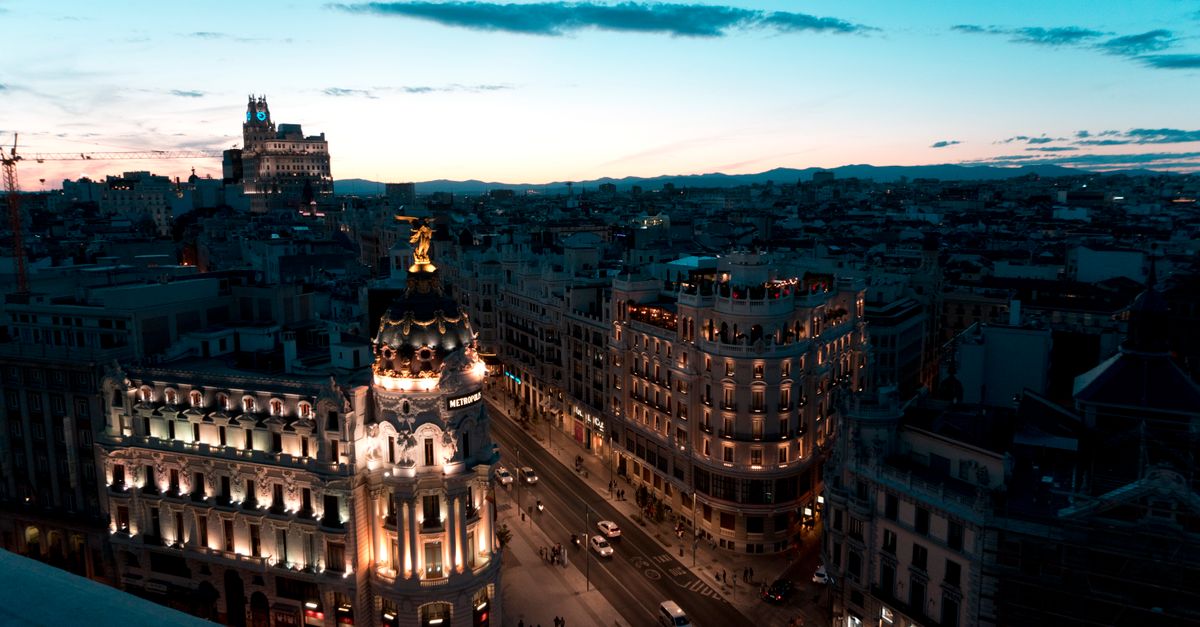
Photo · Walter Cunha · Pexels
Barcelona changed its arithmetic on 1 April 2026, when the tourist tax rose sharply, and it produced one genuinely strange result: an apartment now costs more per night in tax than a four-star hotel.
That is worth knowing before you choose an area, because the tax is charged per person per night and it compounds against exactly the accommodation most visitors default to.
Eixample for a first visit. Gràcia for a second. Think hard about the Gothic Quarter, for a reason almost nobody mentions.
Euro. Convert any figure on this page into your own currency at today's published rate.
Open the currency converter →The tax that changed
Catalonia's regional tax and the city's own surcharge both rose on 1 April 2026. The regional levy on five-star stays doubled from €3.50 to €7, and the city surcharge went from €4 to €5.
| What you book | Per person, per night |
|---|---|
| Five-star hotel | €12.00 |
| Tourist-use apartment | €9.50 |
| Four-star hotel | €8.40 |
| Other establishments | €7.00 |
| Youth hostel | €6.00 |
Capped at seven nights. Under-17s are exempt. It is normally collected at checkout rather than included in the rate you were quoted, which is why it surprises people.
Read those first three rows again. A licensed tourist apartment is taxed more heavily than a four-star hotel, at €9.50 against €8.40, which is a deliberate policy choice about short-term rentals and housing pressure rather than an accident. For a family of four over five nights that is €190 on an apartment against €168 in a four-star, on top of the room.
How the city actually works
Barcelona is unusually legible. It has a medieval knot at the bottom, the old town, and a nineteenth-century grid above it, the Eixample, laid out by Cerdà with chamfered corners on every block.
The grid is flat, walkable and covered by metro. The knot is beautiful, dense and, in one important part, not covered by metro at all.
Everything else radiates out from those two: Gràcia above the grid, Poble-sec and Sants to the west, the beach to the east, and the hill of Montjuïc over the harbour.
The areas
Eixample, and this is the answer for most first visits
Central, flat, gridded and sitting on more metro lines than anywhere else in the city. Gaudí's two headline buildings, Casa Batlló and La Pedrera, are on Passeig de Gràcia, and the Sagrada Família is a walk or one stop away.
What it costs: roughly €100 a night for a three-star and €250 and up near the luxury addresses. The seasonal swing here is the biggest in the city: the same properties that ask €180 to €200 in summer frequently sit below €90 in January.
The split worth knowing: Eixample Dreta, the right side, is the smarter, pricier half with the famous buildings. Eixample Esquerra, the left side, is the same grid, the same flat streets and the same metro, for noticeably less.
The catch: it is a grid, so it is handsome rather than charming, and some blocks are quiet in a way that reads as characterless at night.
Gràcia, for the second visit
A former village that the city grew around, and it still behaves like one: independent restaurants, squares that fill with locals in the evening, and noticeably less foot traffic than anywhere below it.
What it costs: from about €110 to €130 a night for a three-star, and a mid-range property here can run around 30% less than a comparable Gothic Quarter hotel.
Do the arithmetic: over five nights, choosing Gràcia or Eixample Esquerra over the Gothic Quarter frequently saves more than the entire tourist tax, and the metro puts you ten minutes from the old town anyway.
The catch: it is uphill from the centre and it is residential, so it is quieter than some people want.
The Gothic Quarter, and the thing nobody says
This is where most people book and it is the one we would think about hardest, for a reason that has nothing to do with atmosphere.
There is no metro station inside the Gothic Quarter. The stations ring it, at Jaume I, Liceu, Drassanes and Urquinaona, and the middle of it is a walk from all of them. With a wheeled suitcase over medieval paving at the end of a flight, that walk is longer than it looks on a map.
It is also the densest concentration of visitors in the city, the noisiest at night, and the place where the pickpocketing Barcelona is famous for actually happens.
Book it if you want to walk out of the door into the old town and you are travelling light. Budget stays run about €80 to €150.
Barceloneta and the beach
Only in summer, and only if the beach is genuinely the point. It is roughly twenty minutes on the metro from most of what people come to Barcelona for, it is crowded and loud in season, and out of season it is a beach neighbourhood without beach weather.
Rates run from under €200 at the budget end to €300 and up at the W.
El Born and Sant Antoni, the two good compromises
El Born sits beside the Gothic Quarter with better restaurants, more space and the Picasso Museum, and it has a metro station.
Sant Antoni, on the Eixample's lower left edge, has become the city's best food neighbourhood in about a decade, and it is cheaper than anywhere else this central.
Both are what we would actually book on a third visit.
When to go
January and February are the cheapest by a distance, and Barcelona in winter is mild, bright and workable in a way most of northern Europe is not.
May, June, September and October are the best months, which is also when the city is busiest.
July and August are hot, crowded and the peak of local frustration about tourism, which is worth knowing because it is a real and reasonable feeling in a city with a housing crisis. Spend money in neighbourhoods rather than only on the main sights, and the trip is better anyway.
What to skip
La Rambla as anything other than a walk-through. It is a thoroughfare with inflated prices on both sides. The market at La Boqueria halfway down is genuinely good and best before ten in the morning.
Any restaurant with a photo menu and a person outside holding it. The same rule as Rome, and it works just as reliably.
Booking the Sagrada Família on the day. It sells timed entry and it sells out.
A tourist apartment without checking it is licensed. Barcelona has been withdrawing short-term rental licences, the tax on apartments is now the second highest band, and an unlicensed booking can be cancelled from under you.
Barceloneta in February. A beach neighbourhood is not a winter neighbourhood.
The paperwork
Short tourist stays only. Checked 21 Aug 2026; rules change without notice and the government page is the source of truth.
Check your own passport →Checked 21 Aug 2026.
Everything we check for Spain →Before you book
Staying longer than a holiday? Spain's digital nomad visa explains why applying from inside the country gets you a three-year permit rather than one, and the best digital nomad cities for 2027 puts Barcelona against Madrid and Athens on cost. The Barcelona city guide, the Madrid city guide and the Spain country guide have the practicalities. For the same decision elsewhere in southern Europe, Lisbon or Porto resolves to a day count, where to stay in Lisbon has the closest comparison on tax and hills, and underrated European cities has the answer if Barcelona sounds too busy. Ready to look at rooms? Barcelona stays are here, and the things to do shelf has the bookable half.
Tax rates and room bands checked September 2026. The Catalan tourist tax rose on 1 April 2026 and the regional government publishes the current schedule, so any guide quoting the pre-April figures is understating a stay by several euro a night per person.