What to pack for Southeast Asia
You need less than you think and two things you probably forgot. The temple rule, the laundry maths, and why the rain jacket is the wrong answer here.
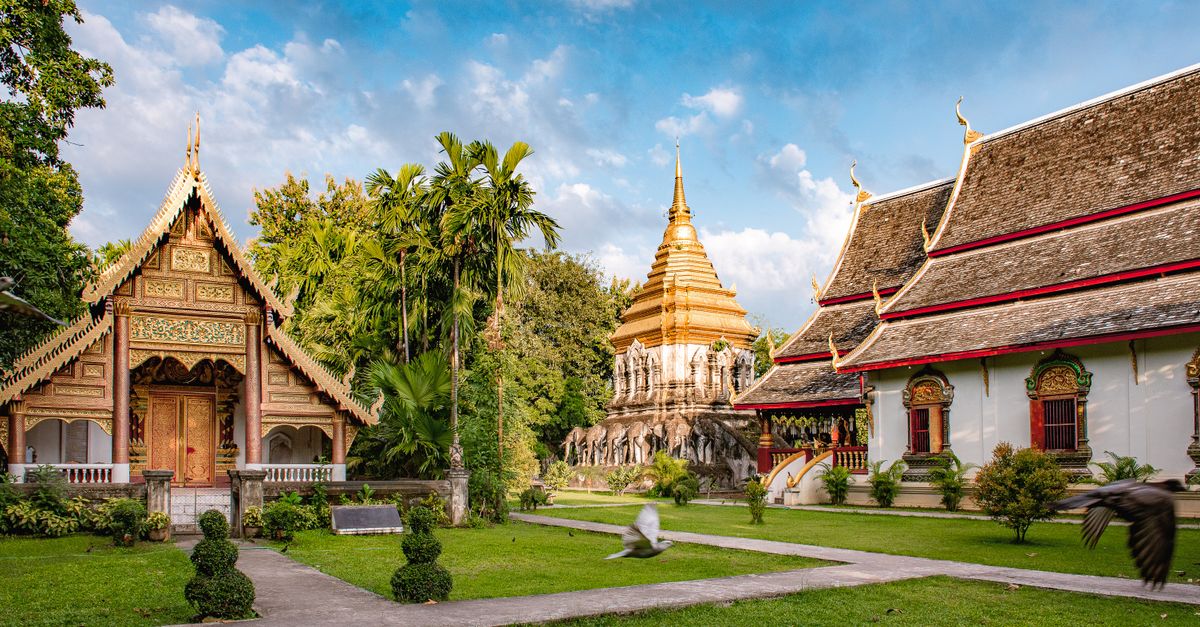
Photo · Antonio Serra · Pexels
Southeast Asia is the easiest region in the world to over-pack for. It is hot, laundry costs almost nothing, and everything you forgot is on sale at the night market for less than the excess baggage would have been.
Pack about five days of clothes for any trip length, and get the two things people always forget.
Thai baht. Convert any figure on this page into your own currency at today's published rate.
Open the currency converter →The two things people forget
1. A light long-sleeved layer. It does three jobs and each one on its own justifies it:
- Temples. Shoulders covered is required across the region, for everyone, and a shirt you already have beats renting a sarong at every gate.
- Air conditioning. Long-distance buses, trains and shopping malls are cooled to a degree that is genuinely cold, and a four-hour bus at 18 degrees in shorts and a vest is an unpleasant four hours.
- Mosquitoes at dusk. Covered skin is the most effective repellent you can carry and it does not wear off.
2. A small dry bag. Boats, longtails, sudden downpours, and motorbike taxis in the rain are all routine. A five-litre dry bag costs very little and is the difference between a wet phone and a dry one.
The clothes
Natural fibres, loose cuts. Cotton and linen. Synthetic athletic fabrics that work well in a dry heat become unpleasant in ninety per cent humidity within an hour.
- Five tops, mostly loose and light-coloured.
- Two pairs of light trousers or long skirts, which cover the temple rule and the mosquito rule at once, plus shorts.
- One long-sleeved layer, above.
- Swimwear, two sets, because one will always be wet.
- Underwear for five days.
Cover more than you would at home. Not because of a rule in most places, but because it is what everyone local is doing, and in temples, mosques and conservative regions it is genuinely required. Our Thailand first-trip guide has the temple detail.
The shoes
Sandals you can actually walk in, plus one pair of closed shoes.
You will take your shoes off many times a day, at temples and at many homes and small restaurants, so anything that laces becomes tedious quickly.
The closed pair earns its space for scooters, for night markets with broken pavements, and for anywhere you would rather not stub a toe in the dark. Trainers are fine; hiking boots are almost always overkill unless the trip includes real trekking.
The rain, and why the jacket is wrong
Tropical rain is warm, very heavy, and short. It is a completely different proposition to European rain, and the European solution does not transfer.
A waterproof jacket in 32 degrees and high humidity makes you wetter from the inside than the rain makes you from the outside. This is not a small effect and everybody discovers it once.
What works instead: a cheap plastic poncho bought locally for a few tens of baht, clothes that dry in an hour, and the willingness to sit under an awning for twenty minutes with a coffee while it passes. That is what everyone around you is doing.
The Thai calendar and the Vietnamese one have the regional wet seasons, which vary enormously across the region and are the reason Vietnam or Thailand turns on geography as much as taste.
Laundry, which is why the bag is small
Laundry across the region is cheap, everywhere, and usually charged by the kilogram, returned the same day or the next.
So the length of the trip is irrelevant. A three-week trip and a five-day trip need the same bag. What you are packing for is the interval between laundries, not the duration.
The one caveat: it comes back dry-cleaned-flat rather than folded to your standards, and delicate items sometimes do not come back at all. Do not send anything you would mind losing.
The health kit, briefly
We are not a medical source and this is a packing list, so this section names the categories and stops.
- Insect repellent, and buy the good stuff before you go rather than at a resort.
- Rehydration salts. The cheapest and most useful thing in the bag.
- Any prescription medication in original packaging, in your hand luggage, with the prescription. Some common medicines are restricted in some countries in the region, so check the destination's own rules rather than assuming.
- Sunscreen, high factor, and be aware that several marine parks in the region now restrict certain formulations, with the check happening at the pier rather than the beach. Thailand's tourism authority carries the current park rules.
- Talk to a travel clinic about vaccinations and malaria prophylaxis for your specific route, well before you go. That conversation is not one a website should be having with you.
Checked 21 Aug 2026.
Everything we check for Thailand →What to leave at home
A big backpack. Forty litres is plenty and it fits in the cabin on most carriers. The 65-litre bag exists to be filled.
Hiking boots, unless you are hiking.
A travel towel, unless you are in hostels. Guesthouses have them.
Most toiletries. Everything is available and cheaper, and this is the single biggest weight saving. The exception is high-factor sunscreen and any specific brand you are attached to, both of which are expensive and hard to find.
Jeans. Heavy, hot, and they take two days to dry.
A hair dryer. Nobody has ever needed one in this climate.
Money and documents
- Cash matters more than in Europe, particularly outside the cities and at markets. ATMs charge a fixed foreign-card fee per withdrawal across most of the region, so take out larger amounts less often.
- Decline the offer to pay in your own currency at any terminal or ATM. The rate is always worse.
- A card and a backup card, stored separately.
- Entry paperwork varies by country and by your passport, and several countries in the region now run digital arrival forms that are free and that third parties will happily charge you for.
Visa-free · 60 days, on all five passports we check.
Short tourist stays only. Checked 21 Aug 2026; rules change without notice and the government page is the source of truth.
Check your own passport →Before you book
The carry-on list has the general version and the current airport liquid rules, and Thailand for first-timers covers the arrival paperwork properly.
The packing hub has the other kit lists and the two-week Thailand route is the trip most of these bags are being packed for.
Regional climate patterns and temple dress conventions checked September 2026 against the Tourism Authority of Thailand and Vietnam's national tourism administration. Medication import rules differ by country and change, so check the destination's own guidance rather than a general list.