Thailand for first-timers, and the form you must file first
The arrival card is now digital, free and only fileable 72 hours out. That, the two-coast season rule, and the four scams that still work on arrivals.
Photo · Gije Cho · Pexels
Do this before anything else: file the Thailand Digital Arrival Card.
It is required for foreign arrivals, it is free, and it can only be submitted within 72 hours of your arrival, which is the part that catches people out because you cannot get it done early and forget about it. The only official site is tdac.immigration.go.th, and it takes about ten minutes. Several third-party sites charge a fee to complete it for you. None of them need to exist.
The rest of a good first Thai trip comes down to picking the right coast and not falling for four specific scams.
Thai baht. Convert any figure on this page into your own currency at today's published rate.
Open the currency converter →The coast rule, which is the whole of Thai trip planning
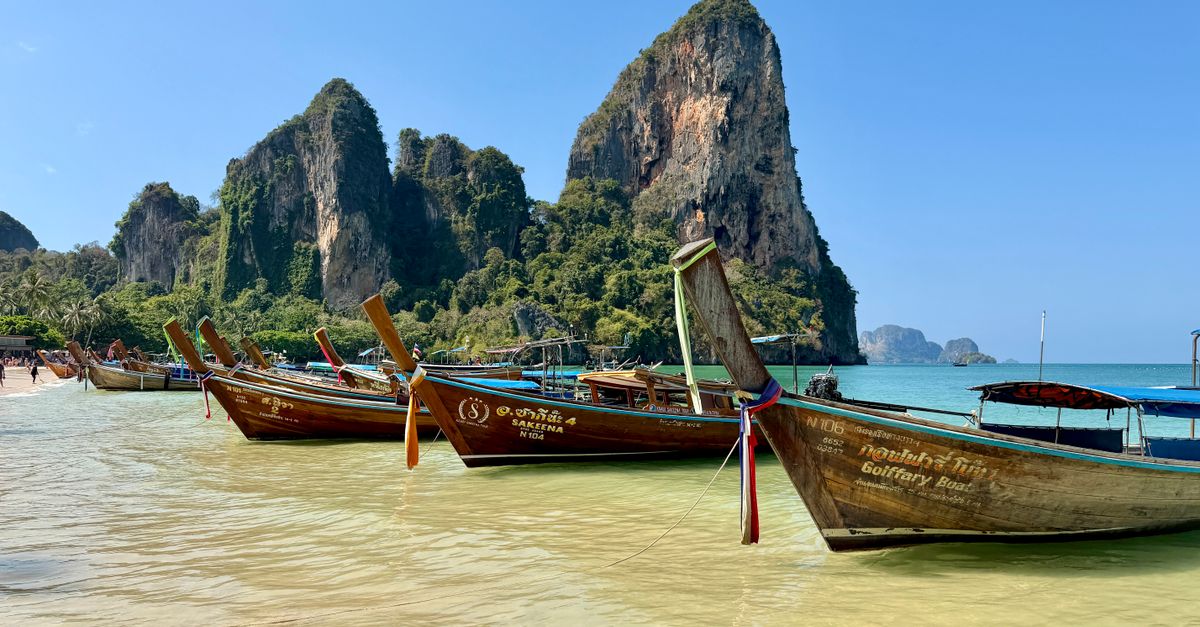
Thailand has two coasts with opposite monsoon seasons, which is the single best piece of geography in Southeast Asian travel and the single most common planning mistake.
| Andaman coast | Gulf coast | |
|---|---|---|
| Where | Phuket, Krabi, Koh Lanta, Koh Phi Phi | Koh Samui, Koh Phangan, Koh Tao |
| Best | Roughly November to April | Roughly February to September |
| Worst | Roughly May to October | Roughly October to December |
| Wettest single month | September | November |
So there is nearly always a coast that works. The one awkward window is October and early November, when the Gulf has turned wet and the Andaman has not finished drying, which is why our November guide says the Andaman is only reliable from about mid-month.
The inland calendar runs differently again: the north is at its best from November to February and at its worst from mid-February to April, when agricultural burning fills the Chiang Mai valley with smoke. Our Bangkok or Chiang Mai comparison covers that in detail and it decides a lot of trips. The full Thai calendar has the rest.
The shape of a first trip
Ten to fourteen days, in three parts.
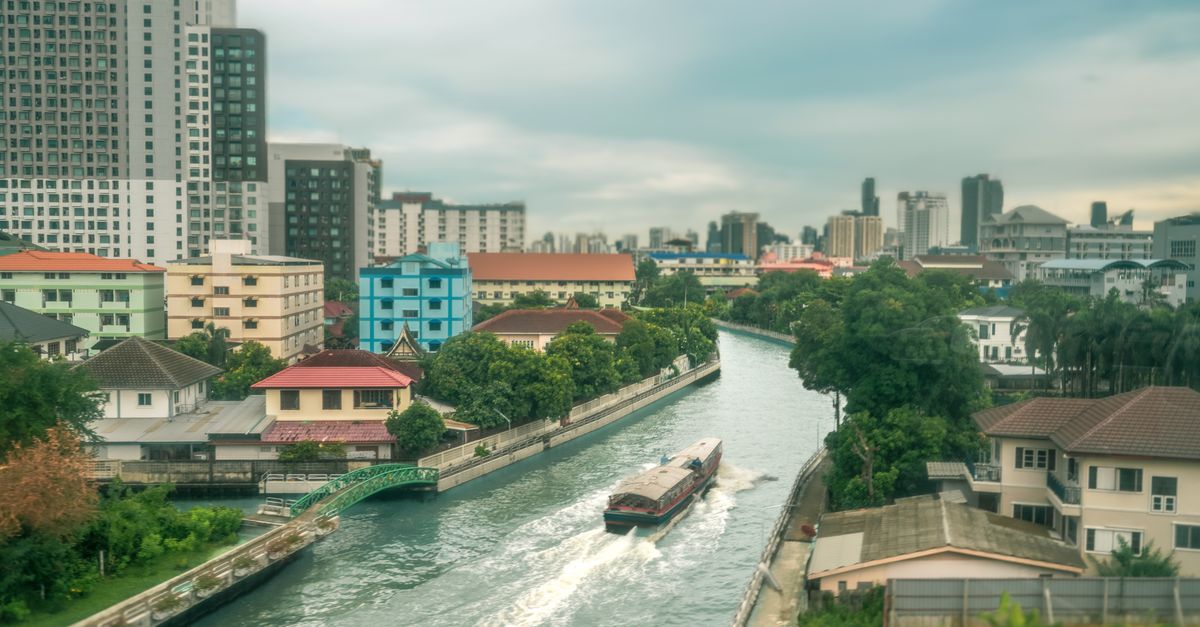
- Bangkok, three days. The Grand Palace and Wat Pho early, the Chao Phraya express boat as transport and sightseeing at once, Yaowarat after dark for the eating. Our three-day route is the shape and the areas guide picks the base.
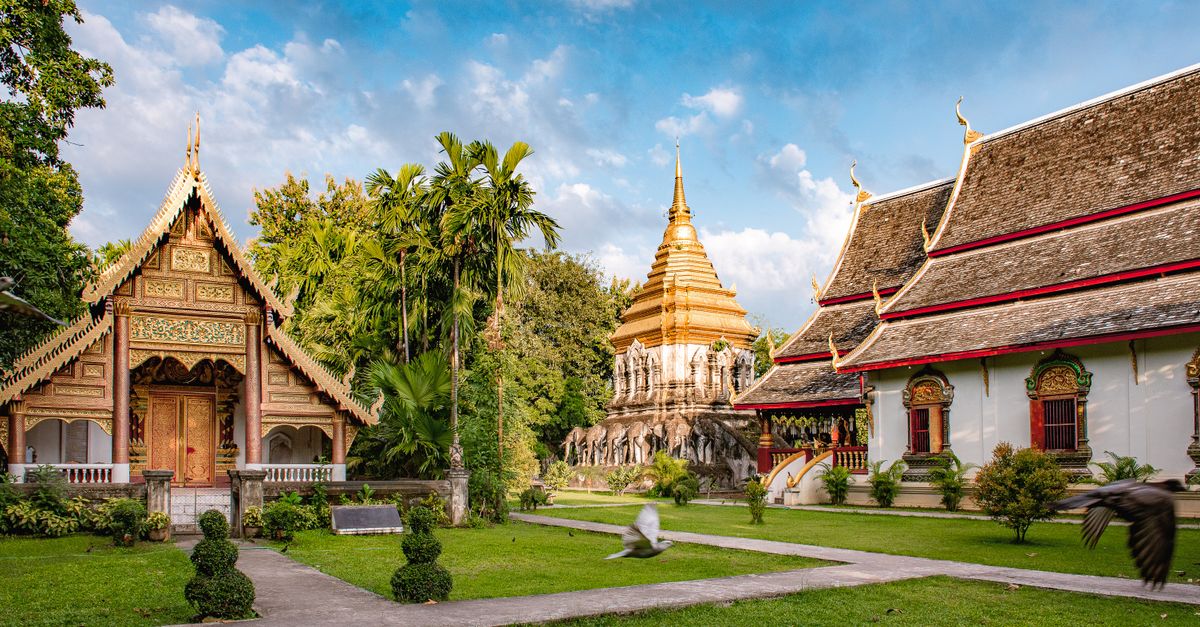
- The north, three or four days. Chiang Mai's old city, one valley day, one cooking school. Where to stay has the neighbourhoods.
- One coast, four or five days. Not two. Our islands ranking picks between them.
The two-week route runs exactly this and explains the internal flights.
The four scams that still work
These are not exotic. They are the same four every year, they run at the same places, and knowing them is most of the protection.
1. "The Grand Palace is closed today." It is not. A friendly person outside tells you the palace is shut for a ceremony and offers a tuk-tuk tour of other temples instead. The tour stops at a gem shop and a tailor, both of which pay commission. The palace opens daily and closes at 3:30pm; check on the palace's own site rather than on the pavement.
2. The jet ski deposit. You rent a jet ski, return it, and are shown damage that was already there and asked for a large cash settlement. Photograph and video the machine from every angle before you leave the beach, and never hand over a passport as a deposit.
3. The metered taxi that is not. If the driver will not use the meter, get out and take the next one. In Bangkok, Grab removes the argument entirely.
4. The tuk-tuk with the suspiciously cheap fare. A whole afternoon for 40 baht is a commission run and you will spend it in shops.
One that is not a scam but costs people money: at any card terminal or ATM, if asked whether you want to pay in your own currency, say no. The rate is always worse than your bank's.
Dress, temples and the two rules that matter
Shoulders and knees covered in every temple, for everyone, including in 34-degree heat. Carry a light long-sleeved shirt and a scarf rather than renting a sarong at every gate.
Shoes off where there is a step and a rack, which is temples and also many homes, guesthouses and small restaurants.
Beyond that, Thailand is relaxed. Beachwear stays at the beach, which is less about the temple and more about walking into a 7-Eleven in a bikini, and is a courtesy rather than a rule.
One legal note worth taking seriously: images of the Buddha are protected and disrespect towards them, including certain tattoos and photographs, is treated far more seriously than visitors expect.
Money, and what things cost
Everything is in baht and prices in this guide are checked September 2026.
- Street food: 40 to 70 baht a plate, and this is where the good food is.
- A restaurant meal in Bangkok: 150 to 400 baht a head for something excellent, more in the tourist districts.
- BTS or MRT ride: a few tens of baht. The Chao Phraya express boat is cheaper again.
- A comfortable mid-range day in Bangkok: roughly 2,000 to 3,500 baht per person including a decent room. Chiang Mai is materially less; the islands in high season are materially more.
Cash still matters outside the cities. ATMs charge a fixed foreign-card fee per withdrawal, so take out larger amounts less often rather than the reverse.
Checked 21 Aug 2026.
Everything we check for Thailand →Two things to skip
Skip the tiger and elephant-riding attractions. They are heavily advertised in Chiang Mai and Phuket and they are the two things most worth avoiding on welfare grounds. The genuinely good sanctuaries do not offer riding or photo sessions, which is how you tell them apart.
Skip trying to see both coasts. The transfer between them is a flight or a long drive plus a ferry, and a fortnight does not have room for it once Bangkok and the north are in. Pick the coast that matches your month, and save the other for next time.
And skip the full-moon party as a reason to plan a trip, unless it is the reason. Koh Phangan on those nights is a specific product, it is fine, and it is not Thailand.
Before you book
The Thai calendar is the guide that decides this trip, and the two-week route is the shape it should take.
Bangkok or Chiang Mai settles the north, and Vietnam or Thailand settles the region if you have not committed yet.
The first trips hub collects the rest and the Thailand country page has the practical layer.
Arrival card requirements and palace hours checked September 2026 against Thai immigration's own arrival card site and the Grand Palace. Entry procedures change; the government page is the source of truth and no third party needs to charge you for a free form.