Three days in London, and the ticket you should not buy
Three days in London on the daily fare cap, which is frozen until 2027. Why a Travelcard is the wrong purchase and where the free museums actually are.
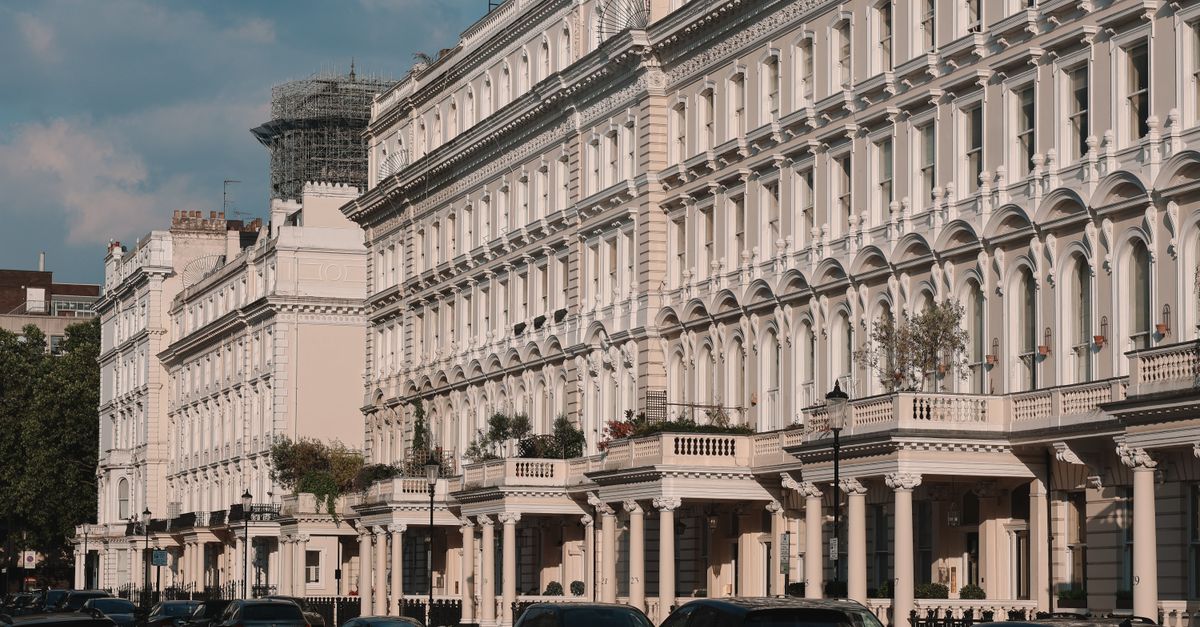
Photo · Mike Bird · Pexels
Three days in London is the river and Westminster, one big museum, one market and one neighbourhood. Not a list of eleven sights spread across six zones, which is the standard three-day London plan and which is mostly the Underground.
Before the route, the single most useful thing anyone can tell you about visiting London: do not buy a travel ticket.
Pound sterling. Convert any figure on this page into your own currency at today's published rate.
Open the currency converter →The fare cap, and why you should buy nothing
Tap a contactless bank card or your phone at the gate. That is the whole system. You pay the same per journey as an Oyster card and you hit the same automatic cap.
| Fare | |
|---|---|
| Zone 1 to 2 journey including zone 1 | £3.60 peak / £3.10 off peak |
| Journey within zone 1 | £3.10 peak / £3.00 off peak |
| Daily cap, zones 1 to 2 | £8.90 |
| Weekly cap, Monday to Sunday | £44.70 |
Checked September 2026 against Transport for London's own fare table, and the zones 1 to 2 caps are frozen until at least March 2027, which is a rarer piece of good news than it sounds.
Do the arithmetic. Three peak journeys is £10.80, which is already above the cap, so on any ordinary sightseeing day your third journey is the last one you pay for. The cap applies across the Tube, the Elizabeth line, the Overground, the DLR, buses and trams on the same card.
So a paper Travelcard is worse than doing nothing on most days, and a Visitor Oyster charges you a card fee for a product the cap already gives you. The two purchases most commonly recommended to visitors are both the wrong answer.
Day 1: the river and Westminster
Morning: Westminster. Come up out of the Underground at Westminster station, which puts Big Ben directly overhead, and walk to Westminster Abbey, which is ticketed and which sells out. The Houses of Parliament run tours on Saturdays and during recess and are worth booking if the politics interests you.
Late morning: walk the river east along the South Bank. Cross Westminster Bridge and stay on the south side: the Southbank Centre, the book stalls under Waterloo Bridge, the National Theatre, and Borough Market at the far end.
Lunch: Borough Market, which is closed on Sundays for the full market and which is at its most crowded at Saturday lunchtime.
Afternoon: Tate Modern, free, in the old Bankside power station, then across the Millennium Bridge to St Paul's, which is a spectacular building and a substantial ticket.
Evening: a pub. Not a themed one. The Seven Stars near Chancery Lane, the Lamb and Flag in Covent Garden or the Harp near Trafalgar Square, and a pint at the bar because table service is not the arrangement.
Day 2: one museum, one market, one neighbourhood
Morning: pick one museum and give it three hours.
- The British Museum, free, for the Rosetta Stone, the Parthenon sculptures and the Sutton Hoo helmet.
- The Natural History Museum, free, which is a cathedral of a building and the right answer with children.
- The V&A, free, which is decorative arts and design and is the one Londoners choose.
- The National Gallery, free, on Trafalgar Square, which is two hours rather than three.
Free general admission at all of them, with charges only for special exhibitions. In peak season several now ask for a free timed ticket, so check before you walk.
Afternoon: a market and the neighbourhood around it.
- Columbia Road flower market, Sunday mornings only, then Brick Lane and Spitalfields.
- Broadway Market in London Fields, Saturdays, then the canal towpath.
- Maltby Street, Saturdays, which is the small unfashionable answer to Borough.
Evening: wherever that market left you. East London around Shoreditch and Hackney, or south around Bermondsey.
Day 3: the version of London you choose
Pick one. All are half to full days.
Greenwich. Take the Uber Boat clipper down the river rather than the train, which is public transport that happens to be the best sightseeing in London. The Royal Observatory, the Cutty Sark, the park, and the view back at Canary Wharf.
The Tower of London and Tower Bridge. The Tower is expensive, it is genuinely extraordinary, and the Yeoman Warder tours are included and are the best part of it. Book ahead.
Hampstead and the Heath. The village, Kenwood House, free, and the view from Parliament Hill. This is where Londoners go on a Sunday.
A day out of the city entirely. Day trips from London has Oxford, Bath, Brighton and the rest with the real train times.
Short tourist stays only. Checked 21 Aug 2026; rules change without notice and the government page is the source of truth.
Check your own passport →Checked 21 Aug 2026.
Everything we check for United Kingdom →What to skip
A Travelcard or a Visitor Oyster. The whole first section.
Leicester Square, Oxford Street and anything on the Strand with a picture of the food outside. All three are priced for people who will not come back.
The London Eye at peak time without a booking. It is a thirty minute rotation and the queue can be longer than the ride. The view from the top of the Sky Garden is free and needs only a booked slot.
Three museums in a day. You will remember none of them.
Changing money at a bureau on a tourist street. Use a card; London is close to cashless.
Booking a hotel because it is "central" without checking the Tube line. In London the line matters more than the postcode. Where to stay in London has the areas.
Before you book
Where to stay in London is the neighbourhood breakdown, and day trips from London covers the third day if you want to leave. London with kids is the family version, and Paris in 2 days and three days in Amsterdam are Callum's other routes, both a train ride away. Underrated European cities has where to go instead when London's prices bite.
The London city guide and the United Kingdom country guide carry the practicalities, and there is more in the itineraries hub. When you are ready, London rooms are here and the bookable half is here.
Fares and caps checked September 2026. The caps are frozen until at least March 2027 but the individual fares are not, and VisitBritain keeps the current visitor practicalities, so check those rather than any guide, this one included.