Where to stay in London, and the fifty pounds Zone 2 saves you
London has no centre, so the question is which side of the West End you sleep on. The areas, the Zone 2 arithmetic, and the tax London does not charge.
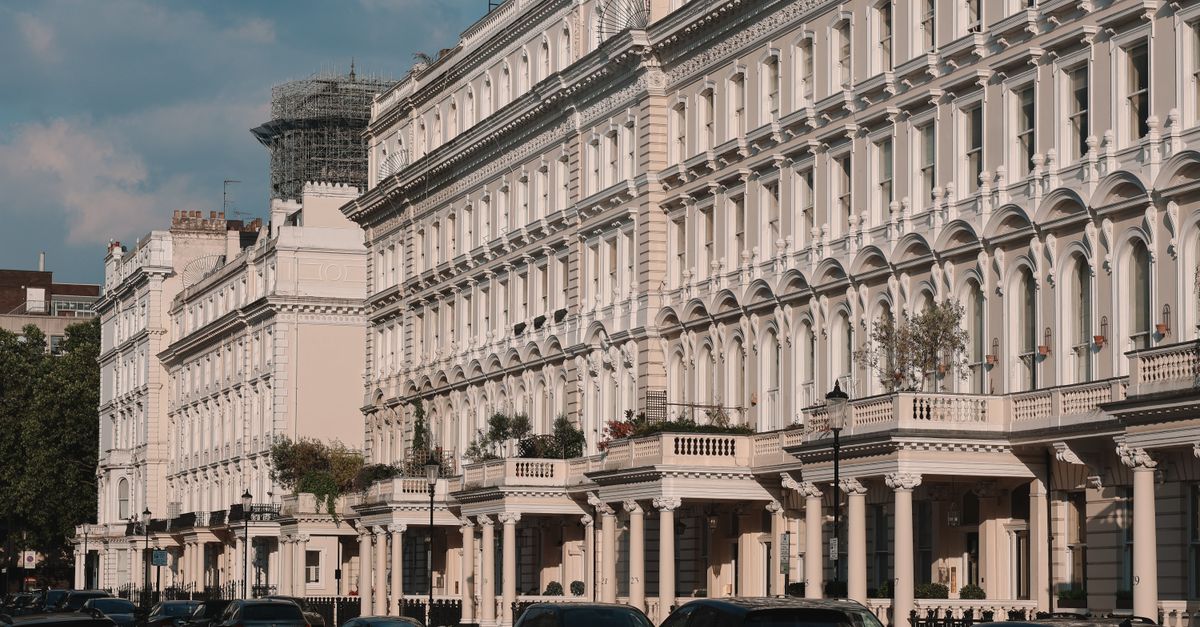
Photo · Azizi Co · Pexels
London does not have a centre, which is the single most useful thing to know before you book.
It has a West End, which is where the theatres and most of the shops are, and then a ring of former villages that grew together. So the question is not "how central is it". It is which side of the West End you want to be on, and how much you are willing to pay to be inside Zone 1 at all.
And a fact that quietly makes London cheaper than it looks: there is no tourist tax.
Pound sterling. Convert any figure on this page into your own currency at today's published rate.
Open the currency converter →The tax London does not charge
Almost every comparable European capital now charges an accommodation levy. Amsterdam takes 12.5% of the room price. Berlin takes 7.5%. Vienna is on a scheduled climb toward 8%. Barcelona charges up to €12 per person per night.
London charges nothing. VAT is already inside the rate you were quoted, and there is no per-night, per-person addition at checkout.
For a family of four over five nights, that is a difference of several hundred pounds against an Amsterdam or a Barcelona stay, and it is worth putting on the other side of the ledger when London's headline rates look steep.
The Zone 2 arithmetic
This is the biggest lever available and most guides mention it in passing.
A Zone 2 hotel runs up to about £50 a night less than a comparable Zone 1 property, and it adds roughly ten to fifteen minutes to your journeys.
Over five nights that is £250 for about two hours of extra Tube time across the whole trip. Islington, Hammersmith, Stratford and Greenwich are all Zone 2 or 3 with fast connections, and none of them is a compromise as a place to be.
The caveat, and it is a real one: the saving stops working past Zone 3. Beyond that you are adding thirty minutes each way, and the £30 you save becomes an hour of your day, every day.
The areas
Bloomsbury, and this is the first-visit answer
Georgian squares, the British Museum at the end of the road, Covent Garden and Soho fifteen minutes on foot, and four Tube lines at Russell Square, Euston and King's Cross.
It is also where the family rooms are, because the Georgian terraces converted into hotels have more three- and four-bed rooms than the modern stock does.
What it costs: around £150 to £200 for a mid-range room. The catch: it is quiet at night in a way some people find dull.
The South Bank, for the walk
The stretch of river between Westminster and Tower Bridge is the best walk in London, and staying on it means you do that walk twice a day rather than once. The Tate Modern, the National Theatre, Borough Market and the Globe are all on it.
What it costs: 2-star from about £110, 3-star from about £105, four-star and up from about £145, with properties directly beside the London Eye and the Southbank Centre closer to £190. The catch: it is a cultural strip rather than a neighbourhood, so the eating is better in Borough or Bermondsey than on the river itself.
Soho and Covent Garden, if the theatre is the trip
You are in it. Everything is a walk, the restaurants are the best concentration in the city, and you will not need the Tube after six in the evening.
The catch: it is loud until two in the morning, rooms are small, and you pay a West End premium for the privilege of hearing it.
Kensington and South Kensington, for museums and families
Three free world-class museums within five minutes of each other, Hyde Park at the end of the road, and a station on three lines. London with kids makes the case that this is the family answer and explains why the free museums change the arithmetic.
What it costs: £150 to £200 and up. The catch: you are twenty minutes from the West End and it is residential in the evening.
Shoreditch and Hoxton, for the second visit
East London, on the Overground and the Central line, and where London's food and drink actually happens now. Rooms start around £89, which is the lowest entry point of any area on this page that is genuinely central.
The catch: it is a nightlife district and it is loud on Friday and Saturday.
Islington, Hammersmith and Stratford, for the Zone 2 saving
All three are real neighbourhoods rather than dormitories. Islington has Upper Street, which is a mile of restaurants, and the Victoria line into the centre in ten minutes. Hammersmith has three lines and the river. Stratford has the Elizabeth line, which puts you at Bond Street in about fifteen minutes, and the Olympic park.
Where not to stay
Anywhere chosen only for being near a mainline station. The blocks around Paddington, Victoria and King's Cross have plenty of hotels and, with the exception of King's Cross itself which has genuinely improved, very little you would want at seven in the evening.
Zone 3 and beyond on a short trip. The saving stops covering the time.
Heathrow, unless your flight is before seven in the morning. It is forty-five minutes from the city and there is nothing there.
Leicester Square, specifically. It is the one part of the West End that is all chain restaurants and ticket touts, and Soho is two streets away.
An apartment without checking the stairs. London's Georgian and Victorian conversions frequently have no lift and four flights, which the listing tends to mention in the last line.
When to go
January and February are the cheapest and the city is at its most workable, with the trade being that it is dark by half past four.
May, June and September are the best months.
Late July and August are busy and expensive and, increasingly, hot in a city whose housing stock was built to keep heat in.
December is two months in one: the first three weeks are festive and busy, and the days between Christmas and New Year are the quietest London gets, with much of the transport running a reduced service.
The paperwork
Short tourist stays only. Checked 21 Aug 2026; rules change without notice and the government page is the source of truth.
Check your own passport →Checked 21 Aug 2026.
Everything we check for United Kingdom →Before you book
Day trips from London covers what to do with a fourth and fifth day, including the 2026 rail fare freeze that changes the usual booking advice, and London with kids rebuilds the accommodation question around family rooms and free museums. For the same decision across the Channel, the Paris area guide and where to stay in Amsterdam are the two closest comparisons, and Amsterdam is where you will notice London's missing tourist tax most. The London city guide and the United Kingdom country guide have the practicalities, and there is more in the where to stay hub. Ready to look at rooms? London stays are here, and the things to do shelf has the bookable half.
Fares, room bands and the tax position checked September 2026. Transport for London publishes the current fares and the frozen caps, and the absence of an accommodation levy is a national position rather than a London one, so it applies across England.