Two days in Paris, and the bus that stopped running in March
A two day Paris route on foot and by metro, with the January 2026 fares, the day pass maths, and the airport bus that was withdrawn in March.
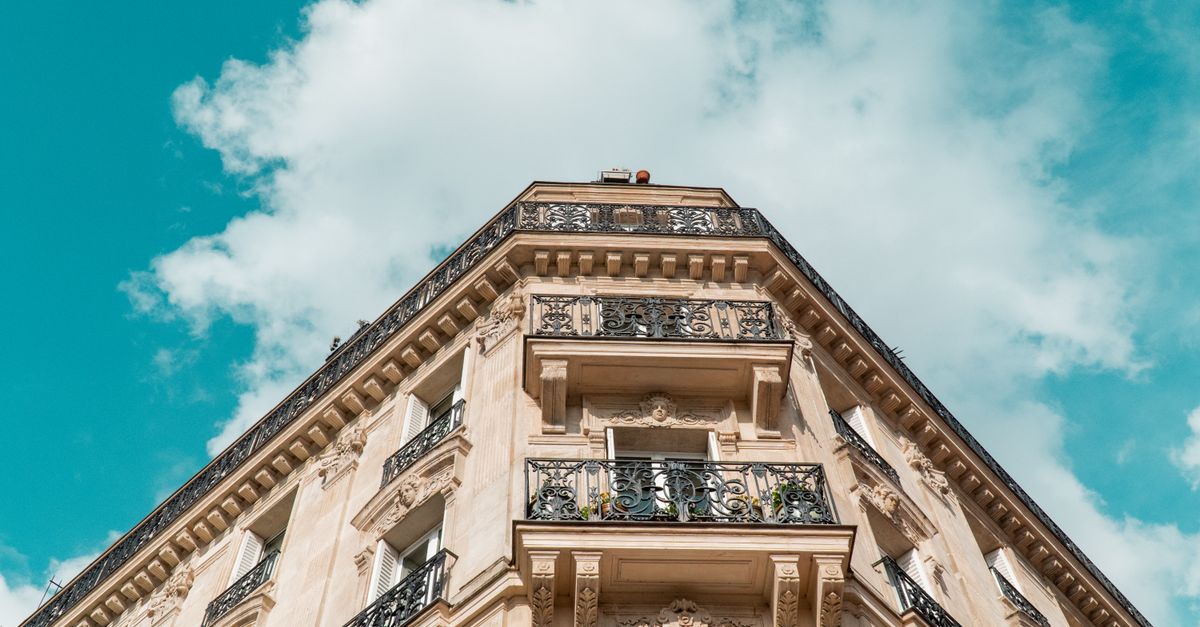
Photo · Siddant Kanthi · Pexels
Two days in Paris is a choice, not a checklist. Pick one river bank a day, walk it properly, and accept that you are not going to the Louvre and Versailles and Montmartre and the Marais in forty-eight hours.
Day one, the Seine and the islands. Day two, the right bank and the hill. Three metro journeys a day, four good meals, and one museum done properly rather than three done at speed.
Euro. Convert any figure on this page into your own currency at today's published rate.
Open the currency converter →The 2026 fares, because they changed twice
Paris simplified its fares and then raised them, and a lot of published advice is now describing a system that no longer exists.
| Price, from 1 Jan 2026 | |
|---|---|
| Single metro or RER journey, flat, any distance | €2.55 |
| Single bus or tram journey | €2.05 |
| Navigo Jour, one day, unlimited | €12.30 |
| Charles de Gaulle to or from central Paris, flat airport fare | €14 |
| Navigo monthly | €90.80 |
Two things to take from that table.
The day pass rarely pays on a walking itinerary. €12.30 against €2.55 a journey means it breaks even at five journeys. The route below makes three or four a day. Buy singles, or load a carnet, unless your day genuinely involves crossing the city repeatedly.
The RoissyBus is gone. The direct Opéra to Charles de Gaulle bus was permanently withdrawn on 1 March 2026. It is still recommended in a remarkable number of guides. Bus 9517 now runs between the airport and Saint-Denis-Pleyel for line 14, and for most visitors the RER B or the metro on the €14 flat fare is the answer.
Day 1: the Seine, the islands and the left bank
Morning: Île de la Cité. Start at Notre-Dame, which is free to enter and runs a timed reservation system that turns a long queue into a short one. Then Sainte-Chapelle, two minutes away, which is a box of thirteenth century stained glass and is the single most astonishing interior in the city. Book it.
Late morning: the Marais, across the bridge. Place des Vosges, the lanes around Rue des Rosiers, and falafel or a sit-down lunch depending on the queue.
Afternoon: the Musée d'Orsay. A railway station full of impressionists, two to three hours, and the right museum for a short trip. The Louvre is the greater collection and it is a full day, and ninety minutes there is a corridor tour.
Late afternoon: Saint-Germain and the Latin Quarter on foot. The Jardin du Luxembourg at the end of the day, when Parisians are in it.
Evening: dinner in the 5th or 6th, away from the Boulevard Saint-Michel, which is the tourist strip. One street back, as ever.
Day 2: the right bank and Montmartre
Morning: the Eiffel Tower, early, booked. Or, and this is the better call for a lot of people, skip the ascent and see it from the Trocadéro and from the Champ de Mars, then spend the time you saved somewhere else. The queue is long, the lift is slow, and the view from the top does not have the Eiffel Tower in it.
Late morning: walk the Seine from the Pont de Bir-Hakeim east, or take the Batobus. Then the Tuileries and the arcades.
Afternoon: Montmartre, and go up the back way. Everyone arrives at Anvers and climbs through the souvenir stalls. Come out at Lamarck-Caulaincourt or Abbesses instead and walk up through the residential streets, the vineyard and the Rue Lepic, and arrive at Sacré-Cœur from behind.
Evening: Canal Saint-Martin, or the 11th around Rue Oberkampf, which is where Paris eats and drinks when it is not being photographed.
The one-museum rule
Two days supports one big museum and one small one, and no more. The Louvre alone is a full day and it is a genuinely tiring one.
Our pairing: the Musée d'Orsay as the big one, and the Musée Rodin, the Orangerie or the Carnavalet as the small one. The Orangerie is two rooms of Monet's water lilies and takes forty-five minutes.
If you must do the Louvre, give it the whole of one afternoon and evening on a late-opening night, go straight to three things you have chosen in advance, and leave when you have seen them.
Short tourist stays only. Checked 21 Aug 2026; rules change without notice and the government page is the source of truth.
Check your own passport →Checked 21 Aug 2026.
Everything we check for France →What to skip
Versailles. It is a full day, it is outside the city, and it will take half your trip. Come back for it.
The Navigo Jour on a walking day. The arithmetic is above.
The RoissyBus. It does not exist any more.
Going up the Eiffel Tower if the queue is the whole morning. The tower is better from outside it, and this is not a consolation prize.
Dinner on the Champs-Élysées or Boulevard Saint-Michel. Both are priced for people passing through.
A river dinner cruise as your one big spend. The Batobus or a plain sightseeing boat gives you the same river for a fraction, and the food on the dinner boats is not why anyone remembers Paris.
Trying to fit the Louvre, Versailles and Montmartre into two days. It is the most common two-day Paris plan and it is four metro hours and no meals.
If you have a third day
Versailles, properly, with a booked timed entry and the gardens. Or a day trip out: day trips from London covers the other end of the Eurostar, which is two and a quarter hours away and makes a Paris and London week genuinely easy.
Before you book
The best area to stay in Paris is the neighbourhood breakdown and the thing to read before you book a room, because in Paris the arrondissement decides how much of this route you walk rather than ride. Amsterdam in 3 days is Callum's other short-city route and is three and a quarter hours away by Thalys, and day trips from London covers the Eurostar's other end. Underrated European cities has where to go when Paris is not the answer.
The Paris city guide and the France country guide carry the practicalities, and there is more in the itineraries hub. When you are ready, Paris rooms are here and the bookable half is here.
Fares checked September 2026, after the 1 January increase and the 1 March withdrawal of the RoissyBus. Île-de-France Mobilités publishes the current fare table, and it has changed twice in a year, so check it rather than any guide, this one included.