Japan beyond the Golden Route
Tokyo, Kyoto and Osaka now absorb most of Japan's visitors. Seven places that do the same job better, what each is near, and how the rail maths works.
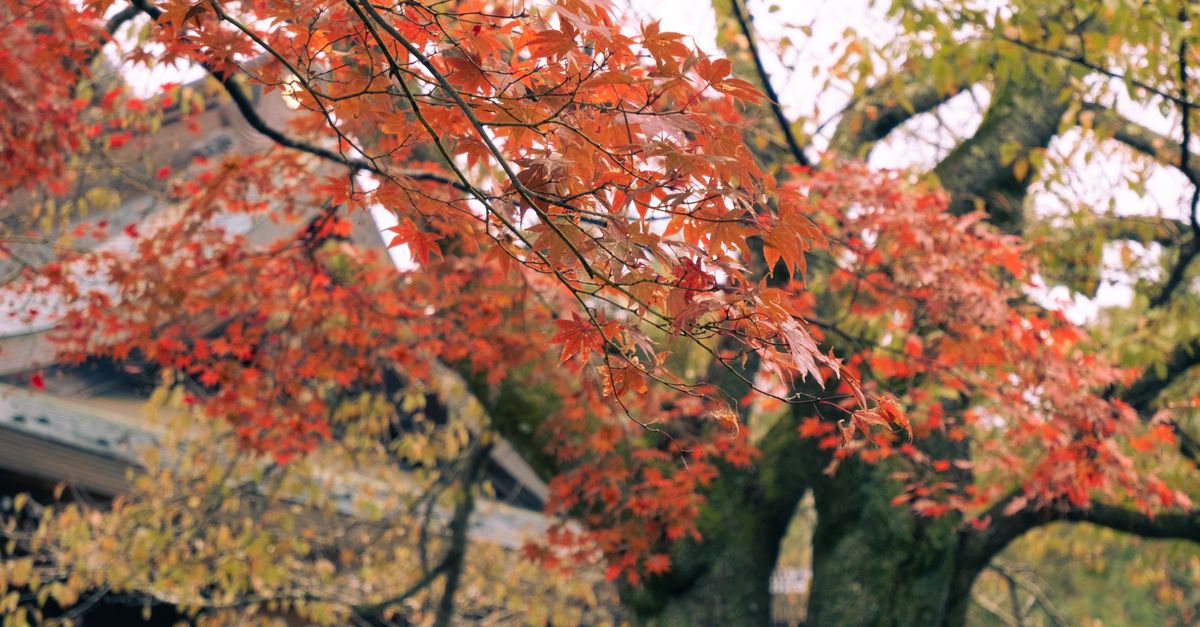
Photo · Suzan · Pexels
The Golden Route is Tokyo, Hakone, Kyoto, Nara and Osaka, and it is standard for good reasons. It is also where the overwhelming majority of Japan's international visitors go, which is why a country that is mostly empty feels full.
Everything below is on the Shinkansen network or a short connection from it. None of it is difficult. It is simply not on the list everyone else is reading.
First, an honest note about two names
Kanazawa and Takayama are the usual answers to this question, and we cannot show you rooms in either, because neither is a city in our catalogue.
They are also, at this point, only half an answer. Both have been the standard "off the beaten path" recommendation for a decade and both are now busy enough in season to be a second Golden Route. Go, and go on a weekday, and know that the seven below are quieter.
Japanese yen. Convert any figure on this page into your own currency at today's published rate.
Open the currency converter →The seven
1. The San'in coast, and this is the best of them
The north coast of western Honshu, facing the Sea of Japan, and the least visited stretch of mainland Japan relative to what is on it.
Matsue has one of only twelve original castles left standing. Izumo Taisha is arguably the oldest and most important shrine in the country and gets a fraction of Ise's visitors. The Adachi Museum has a garden that has been ranked Japan's best for two decades and is designed to be viewed through windows as a series of framed paintings, which is a genuinely strange and brilliant idea.
Getting there: Shinkansen to Okayama, then the limited express north across the mountains. Half a day from Kyoto.
2. Tohoku, for the north
The six prefectures north of Tokyo, hit hard in 2011 and rebuilt, and now the emptiest good travelling in Honshu.
Yamadera, a temple complex up a thousand stone steps in a cliff. Ginzan Onsen, a gas-lit hot spring street in the snow that looks like a film set. The Sanriku coast, and Aomori's Nebuta festival in early August, which is one of the great festivals in Japan and which almost no foreign visitor attends.
The blossom is the other argument. Tohoku takes the cherry blossom in the last week of April, a fortnight after Kyoto has finished, at a fraction of the room rate. Our April guide has the timings.
3. Kyushu, for the food and the volcanoes
The southern island, and the single best eating region in Japan that is not Osaka.
Fukuoka is the ramen city, and the yatai food stalls that set up along the river at dusk are the best street-food scene in the country. Beppu and Yufuin are the onsen towns. Kagoshima sits opposite an active volcano that drops ash on the city. Nagasaki is a genuinely different Japanese city, shaped by four hundred years of Chinese and Dutch trade.
Getting there: Shinkansen the whole way from Tokyo, or fly.
4. Hiroshima and the Setouchi islands
Most people give Hiroshima a day and the Peace Park, which it deserves, and then leave. The islands in the Inland Sea are the reason to stay.
Naoshima is an entire island turned into contemporary art, with Tadao Ando buildings dug into hillsides. Teshima and Inujima do the same at smaller scale. The Shimanami Kaido is a 70km cycle route across six islands on suspension bridges and it is one of the best rides in Asia.
5. Shikoku, the island most people skip entirely
The smallest of the four main islands and the one that never appears on an itinerary.
The 88-temple pilgrimage circles it and you can walk a section in a few days. The Iya valley has vine bridges over a gorge. Matsuyama has Dogo Onsen, one of the oldest bathhouses in Japan and the model for the bathhouse in Spirited Away.
The catch: transport is slower here and a hire car makes a real difference, which is unusual advice in Japan.
6. Hokkaido, in summer
Everyone goes to Hokkaido for snow. June and July are its secret, because it is the only part of Japan the meteorological agency does not declare a rainy season for, so while Kyoto is grey and humid Hokkaido is dry and green. Our June guide explains why that single fact is worth planning around.
Daisetsuzan for the hiking, Furano for the lavender in July, Shiretoko for the brown bears.
7. The Kii Peninsula, for the walk
South of Osaka and Nara, and the closest of these to the Golden Route, which makes it the easiest to add.
The Kumano Kodo is a network of pilgrimage trails through cedar forest, walkable in sections with ryokan at the ends of the days, and it is the best multi-day walk in Japan for someone who does not want a mountain. Koyasan is a monastery town on a plateau where you sleep in a temple and eat the vegetarian food the monks eat.
Getting there: two hours or so from Osaka. There is no reason a fourteen-day trip cannot include it, and our fourteen-day route has the sequencing.
The rail maths, which changes off-route
This is where the Japan Rail Pass starts to make sense. At 50,000 yen for seven days it needs roughly three long-distance Shinkansen legs to break even, and a Tokyo to Kyoto return does not get close.
A route that runs Tokyo to Sendai to Kanazawa to Kyoto does. So does Tokyo to Hiroshima to Fukuoka and back. The pass is wrong for the standard trip and often right for this one, which is the opposite of how it is usually sold. Our Japan tips guide has the method for pricing your own legs, and what Japan costs has the wider budget.
Regional passes are frequently better again. The JR East, JR West and JR Kyushu passes each cover one of these regions properly for a fraction of the national price, and the tourism board's regional pages list which pass covers what.
What to skip
Skip adding one rural stop to a Golden Route trip. One night in Takayama between Kyoto and Tokyo is four hours of travel for a morning in a town, and it is why people come home saying rural Japan was fine. Give a region three nights or leave it out.
Skip the assumption that off-route means hard. The Shinkansen reaches most of this, the stations are bilingual, and the hardest part is the local bus at the far end.
And skip Kyoto in November if the colour is the point. The same maples turn two weeks earlier in Tohoku and at altitude, in front of nobody. Our November guide has the sequence.
Checked 21 Aug 2026.
Everything we check for Japan →Visa-free · 90 days, on all five passports we check.
Short tourist stays only. Checked 21 Aug 2026; rules change without notice and the government page is the source of truth.
Check your own passport →Before you book
The fourteen-day route is where most of this fits, and the Japanese calendar decides the month.
Japan travel tips has the practical layer, and Niseko or Hakuba covers the winter version of going north.
The best of hub collects the rest and the Japan country page has the practical layer.
Rail coverage and regional pass detail checked September 2026 against the Japan National Tourism Organization's regional pages and Japan Guide's regional transport information. Rural bus and ferry timetables change seasonally and thin considerably in winter, so confirm the last connection before you commit to a night somewhere.