Niseko or Hakuba, with the lift pass maths done
Niseko has the deeper snow, Hakuba has the steeper terrain and the cheaper pass. Six rounds, the price gap in yen, and who each one actually suits.
Photo · Shashank Brahmavar · Pexels
Niseko snows more. Hakuba is steeper, bigger and cheaper. That is the trade, and almost everything else in this comparison follows from it.
Go to Niseko if this is your first Japanese ski trip, if you want powder that turns up on schedule, if you are bringing children, or if you want to ski trees rather than faces.
Go to Hakuba if you can ski, if you want alpine terrain above the treeline and a vertical drop that matters, or if the lift pass line on a family budget is the deciding one.
Japanese yen. Convert any figure on this page into your own currency at today's published rate.
Open the currency converter →First, what we cannot show you
Neither resort is a city in our catalogue, so this guide has no room shelf for either, and there is no honest substitute for Hakuba at all: Nagano is not in the catalogue either.
The nearest we can show you for Niseko is Sapporo, which is a genuine option rather than a fudge. It is roughly two hours from the resort, plenty of people split a trip between city and mountain, and the day-trip buses run.
The six rounds
Round 1: the snow. Niseko.
Niseko sits in the path of a very specific weather machine: cold Siberian air crossing the Sea of Japan, picking up moisture, and dumping it on the first mountain it meets. The result is the most reliable powder cycle in the developed skiing world.
Niseko United reports an average season above 14 metres. Hakuba Valley figures we checked ranged from about 10 metres to about 14, depending on the source and on which resort in the valley is being measured.
We are not going to reconcile that into one number, because the sources genuinely disagree and the valley spans ten resorts at different aspects and elevations. What is not in dispute: Niseko snows more often, and Hakuba's snow is more variable from week to week.
Winner: Niseko.
Round 2: the terrain. Hakuba, decisively.
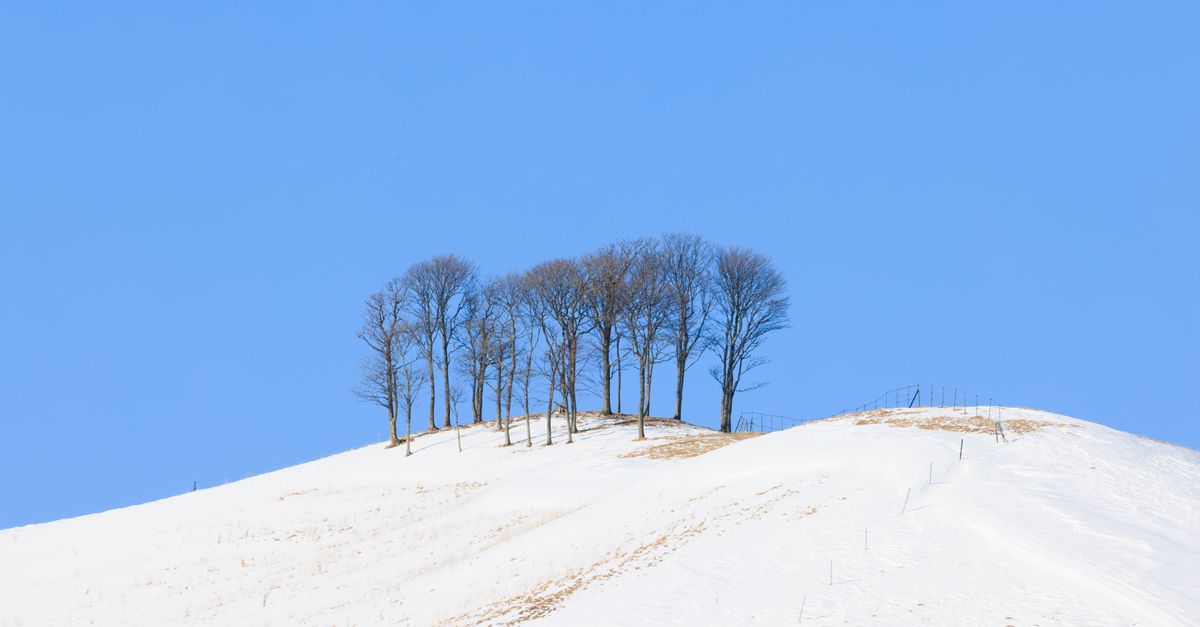
Niseko is a volcano with a consistent, moderate pitch and superb tree skiing. It is a wonderful place to ski powder and it is not steep.
Hakuba is the northern Japanese Alps. Happo-one hosted the downhill at the 1998 Winter Olympics, which tells you what the fall line is like, and the valley has genuine alpine terrain above the treeline that Niseko simply does not have.
Winner: Hakuba, and it is not close for a strong skier.
Round 3: the lift pass, and here is the arithmetic
This is the round with real numbers in it, and most comparisons skip it.
| Niseko United | Hakuba Valley | |
|---|---|---|
| One-day adult, 2026-27 | 13,500 yen | 11,100 yen |
| Resorts covered | 4, linked | 10, across the valley |
| Shuttle bus | Included | Included |
| Night skiing | 3,200 yen, Grand Hirafu | Varies by resort |
| Afternoon pass | 6,500 yen from midday | Varies by resort |
Niseko's peak window for that price runs 24 December 2026 to 28 February 2027, checked September 2026 against Niseko United's own lift pass page and Hakuba Valley's ticket information.
The maths that matters. The gap is 2,400 yen per adult per day. Over a six-day trip that is 14,400 yen a person, and for two adults it is 28,800 yen, which is a couple of nights of accommodation in either valley. For a family of four skiing six days it is 57,600 yen.
That is a real number, and it is the reason a lot of returning skiers end up in Hakuba even though they liked Niseko better.
Winner: Hakuba.
Round 4: getting there. Niseko, narrowly, and it depends where you start.
Niseko: fly into New Chitose near Sapporo, then two and a half to three hours by road. One transfer, and the airport is well set up for ski gear.
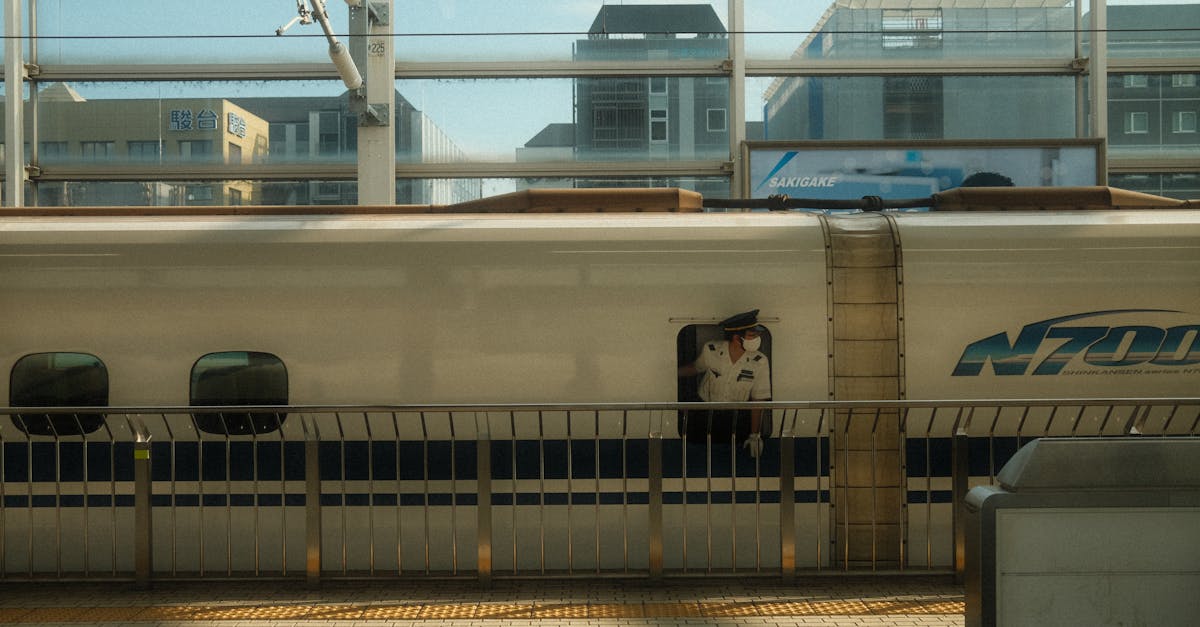
Hakuba: Tokyo to Nagano on the Shinkansen, then a bus up the valley. Four to five hours from central Tokyo, longer from Narita.
The tiebreaker is what else is in the trip. Hakuba is a natural add-on to a Tokyo stay and the Shinkansen leg is pleasant. Niseko is a commitment to Hokkaido, and Hokkaido in winter is worth committing to. The Japanese calendar has the season dates and the seven-day route shows how a ski week fits into a wider trip.
Winner: Niseko on simplicity, Hakuba on what else you get.
Round 5: with children. Niseko.
Niseko has the deepest English-language ski school provision in Japan by a distance, the gentlest terrain of the two, and a village layout that works when you are carrying skis and a four-year-old.
Hakuba's beginner terrain is good and it is distributed across separate resorts, which means the shuttle bus becomes part of every single day. With small children that is the difference between a holiday and a logistics exercise. Our Japan ski with kids guide goes into the age bands.
Winner: Niseko.
Round 6: the village at the end of the day. A draw, oddly.
Hirafu, Niseko's main village, is the most internationalised ski village in Japan: excellent restaurants, English everywhere, and prices to match. Some people love it and some people flew to Japan to not be in it.
Hakuba's villages are more Japanese and more scattered, which means better value and a worse night out. Echoland has the bars; the rest of the valley closes early.
Winner: whichever of those two sentences you prefer.
Choose Niseko if
- It is your first ski trip in Japan.
- You want powder on a schedule rather than powder if you are lucky.
- You are travelling with children or with non-skiers.
- You want to ski trees, which Niseko does better than almost anywhere.
Choose Hakuba if
- You are a confident skier who wants pitch and vertical.
- The lift pass difference is meaningful across your group.
- You want to combine the mountain with Tokyo rather than commit to Hokkaido.
- You want ten mountains rather than four.
The one to skip
Booking Hirafu's on-mountain restaurants at peak lunch. Between about 11:45 and 1pm every seat in Niseko is taken and the queues are twenty minutes deep. Eat at 11 or at 1:30, or carry lunch, and you buy back an hour of skiing a day.
And skip the January assumption. January is the deepest month and it is also the busiest and the most expensive, and it has the worst visibility: the storm cycle that produces the snow also produces days when you cannot see the next tree. Early February is the better week in both valleys, and late February is better again for daylight.
The practical layer
Checked 21 Aug 2026.
Everything we check for Japan →Entry rules for Japan depend on the passport rather than the resort, so here is the shape of it.
Visa-free · 90 days, on all five passports we check.
Short tourist stays only. Checked 21 Aug 2026; rules change without notice and the government page is the source of truth.
Check your own passport →Before you book
The Japanese calendar is the guide that decides the week, and our June guide explains why Hokkaido is worth a second visit in a completely different season.
Japan ski trips with kids has the family version and the seven-day route shows how to attach a city to a mountain.
The best of hub collects the comparisons and the Japan country page has the rest.
Lift pass prices and season dates checked September 2026 against Niseko United's own pricing and Hakuba Valley's ticket information. Snowfall averages are reported by the resorts and by third-party trackers and they do not agree, which is why this guide gives a range rather than a figure.