Buenos Aires for digital nomads
Every guide still tells you to bring US dollars and it has been wrong since April 2025. What a month costs in pesos now, the neighbourhoods, and the caveats.
Photo · Camila Raso · Pexels
Buenos Aires is the best café city in the western hemisphere and one of the more liveable places on the nomad circuit, and almost every guide to it is working from information that expired in April 2025.
Argentine peso. Convert any figure on this page into your own currency at today's published rate.
Open the currency converter →The money advice that is now wrong
Stop reading anything that tells you to bring a brick of US$100 bills.
For a decade Argentina's currency controls produced a parallel "blue dollar" rate far better than the official one, and the whole of long-stay advice was built around carrying cash to a cueva.
The controls were lifted in April 2025. The official, MEP and blue rates have converged to within about two per cent of each other, and the tax that penalised foreign cards was removed. The convergence and what it means is set out here.
What that means for a long stay:
- A card with no foreign transaction fee is now fine and gets essentially the market rate.
- You are no longer planning your finances around your payment method, which was previously a genuine ongoing task.
- The cuevas still exist with a margin of one or two per cent, which is not worth the errand.
What has not changed: Argentina's inflation history. Peso figures date quickly, rent is frequently quoted in dollars for foreigners, and long leases have inflation adjustment clauses. Read the contract.
What a month costs
In pesos, at 2026 prices, for one person living comfortably:
| Pesos per month | |
|---|---|
| One-bedroom flat, Palermo, monthly | 450,000 to 800,000 |
| Coworking membership | 120,000 to 250,000 |
| Food and eating out | 250,000 to 400,000 |
| Transport | 40,000 to 80,000 |
| Utilities, data, gym | 90,000 to 150,000 |
| Comfortable total | 900,000 to 1,600,000 |
Treat those as a snapshot rather than a rate. The durable statement is that Buenos Aires is mid-range for Latin America and well below western Europe, for a café and restaurant culture that is better than either.
Where to live
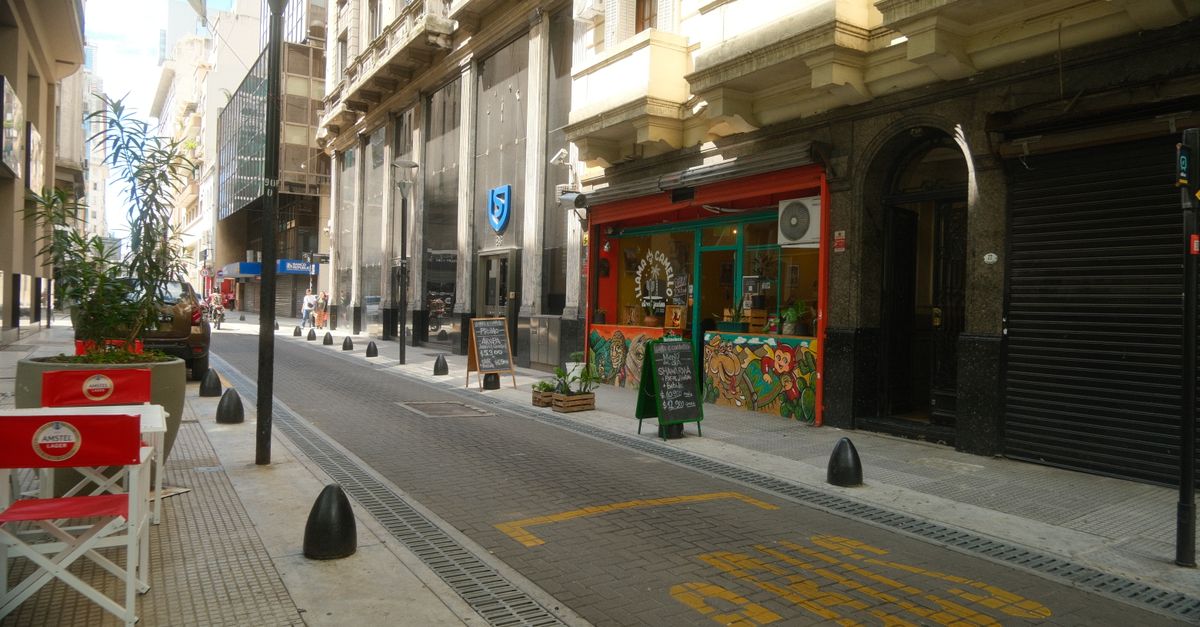
Palermo Soho and Palermo Hollywood. The default, and rightly. Low-rise, walkable, the best café density in the city, and the parks on the doorstep.
Villa Crespo and Chacarita. Next door, meaningfully cheaper, residential, and increasingly where people who have been here six months have moved to.
Recoleta. Grander, quieter, older. Beautiful and less social.
San Telmo. Atmospheric, cheap, and it needs more care at night than the others, which our areas guide covers plainly.
Not Puerto Madero. Modern, safe, expensive and characterless.
Where to work
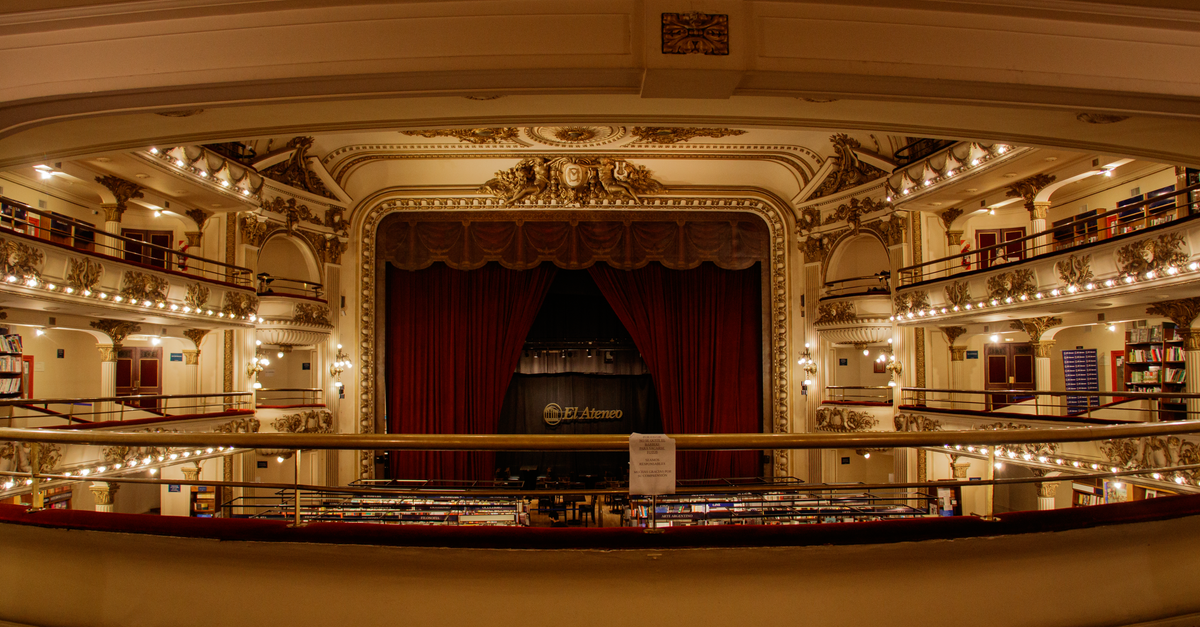
The café culture is the whole argument. Buenos Aires has an unusually strong tradition of sitting in a café for hours, the notable cafés are protected institutions, and nobody will hurry you.
Coworking is well developed in Palermo and the microcentro and is where the social layer is.
The internet is the weakest practical argument for the city. Fibre is widely available in the central neighbourhoods and it is fine rather than exceptional, and power cuts in the summer heat are a real and recurring problem. Ask about the specific building and whether it has a generator, particularly for January and February.
The visa
Argentina introduced a digital nomad visa in 2022 for remote workers employed outside the country.
A great many long-stayers instead use the standard tourist entry, which for many nationalities is 90 days and extendable once, and the traditional practice of a day trip to Colonia in Uruguay to reset it is well known and is a grey area rather than a policy.
A tourist permission is not a work permit, and the tax position of a long stay is a question for an accountant.
Visa-free · 90 days, on all five passports we check.
Short tourist stays only. Checked 21 Aug 2026; rules change without notice and the government page is the source of truth.
Check your own passport →The rhythm, which takes adjusting to
The day starts late and ends later. Restaurants fill from nine or ten, and that is not a quirk, it is the schedule. If you take European client calls in the morning you will be out of step with the city, and if you take North American ones you will be perfectly aligned.
The time zone is the practical argument. Buenos Aires sits within a few hours of the entire United States and is a manageable overlap with western Europe in the morning. For anyone working with the Americas it is one of the best-placed cities anywhere.
Checked 21 Aug 2026.
Everything we check for Argentina →The downsides, honestly
The economics are volatile. Inflation has been severe, policy has changed direction repeatedly, and a plan built on this year's numbers should not assume next year's.
Phone snatching is common and it is the specific crime to be careful about. Do not walk with a phone out on a quiet street, and use app cars at night.
The bureaucracy is heavy for anything official.
And the distance. Buenos Aires is a long way from Europe and Asia, which is why the community skews towards people working American hours.
Before you book
Where to stay in Buenos Aires has the neighbourhoods and the money change in full, and three days in Buenos Aires is the visitor version.
Tbilisi and Medellín are the closest comparisons on value, and the 2027 nomad cities list ranks the field.
The nomad hub collects the rest and the Argentina country page has the practical layer.
The currency change and its effects checked September 2026 against current reporting on the convergence and Argentina's migration authority. Argentine monetary and immigration policy have both changed direction repeatedly, so re-check close to travel. Nothing here is immigration or tax advice.