Three days in Buenos Aires
Buenos Aires runs late, so a route built on European hours wastes half of it. Three days on the city's own clock, the tango call, and one thing to skip.
Photo · Daniel Miller · Pexels
Buenos Aires runs on its own clock and an itinerary that ignores that wastes half the trip.
Dinner is at nine or ten. Restaurants fill from about nine, many kitchens do not open until eight, and a table booked for seven puts you alone in an empty room. The Subte closes earlier than you expect and app cars are cheap.
So the shape of a good day here is: out mid-morning, a long lunch, something in the late afternoon, a coffee at six, and dinner at nine.
Argentine peso. Convert any figure on this page into your own currency at today's published rate.
Open the currency converter →Before you go: the money advice has changed
Do not bring a brick of US$100 bills. Argentina's currency controls were lifted in April 2025 and the official, MEP and blue rates have converged to within a couple of per cent of each other, so a card with no foreign transaction fee now gets essentially the market rate. Our areas guide has the full detail, and it is the single biggest change in Argentine travel advice in a decade.
Day one: Recoleta and the centre
Late morning: Recoleta cemetery. A city of marble mausoleums on streets you walk down, with Evita's family vault among them. It is the most extraordinary thing in Buenos Aires and an hour is enough.
Then the Museo Nacional de Bellas Artes next door, which is free and open six days a week and holds one of the strongest collections in South America.
Lunch in Recoleta, and long.
Afternoon: El Ateneo Grand Splendid, a 1919 theatre converted into a bookshop with the boxes intact and a cafe on the stage. Ten minutes and worth it.
Then walk down to the centre. Plaza de Mayo, the Casa Rosada, the cathedral where Francis was archbishop, and the Avenida de Mayo running west.
Evening: dinner at nine in Recoleta or Palermo, and a bodegón, the old-style neighbourhood restaurant, rather than anything with a tasting menu.
Day two: San Telmo and the south
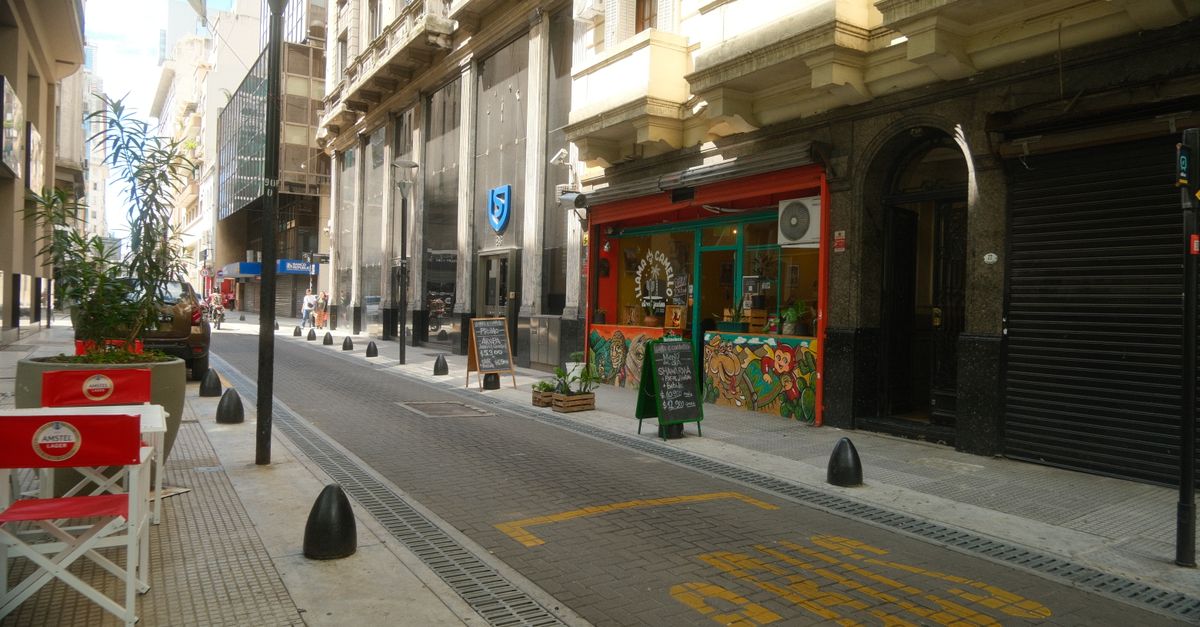
Morning: San Telmo. Cobbled streets, antique shops, and the Mercado de San Telmo in a nineteenth-century iron market hall for lunch.
If it is Sunday, the Feria de San Telmo runs the length of Defensa and is one of the best street markets in South America. If it is not Sunday, the neighbourhood is better, because you can actually see it.
Early afternoon: La Boca, for one hour and no more. The painted Caminito blocks are a genuine sight and they are two streets deep, and the area around them is a working port neighbourhood visitors are advised not to wander in. Go in daylight, see it, leave.
Late afternoon: Puerto Madero and the Puente de la Mujer, or the Reserva Ecológica behind it, which is a genuine wetland on the river with the city skyline behind it and is where the city walks on a Saturday.
Evening: a milonga. This is the call worth making. The dinner tango show is a production and it is fine. A milonga is a social dance where people are dancing rather than performing, several welcome visitors, most run a beginner class beforehand, and it costs a fraction of a show. San Telmo and the centre have the best of them.
Day three: Palermo, properly
Morning: the Bosques de Palermo. The rose garden, the lakes, and the Japanese garden. On a Sunday the whole city is here.
Then MALBA, the Latin American art museum, which is the best single museum in the city and takes ninety minutes.
Lunch and afternoon: Palermo Soho. Low-rise, cobbled, full of independent shops and coffee. This is the walking-around afternoon and it does not need a plan.
Late afternoon: Palermo Hollywood for the aperitivo, and Buenos Aires has a serious vermouth revival worth catching.
Evening: dinner at nine, and if you are going to eat one parrilla steak, this is the night. Order bife de chorizo and share it, because the portions are not a joke.
If you have a fourth day
Tigre and the Paraná delta, an hour north by train, where a network of channels is served by commuter boats and people live on stilts. Take the public lancha rather than a tour boat.
Or Colonia del Sacramento, across the river in Uruguay, an hour by fast ferry each way, a UNESCO-listed colonial town and a genuinely different country for the day. Take your passport and check the entry rules for your own, which are not the same as Argentina's.
The one to skip
Skip the tango dinner show if you have any interest in the dance itself. Covered above.
Skip the hop-on-hop-off bus. Buenos Aires is flat, the blocks are regular, and the neighbourhoods are the point rather than the monuments between them.
And skip La Boca after dark, which is the one genuinely firm safety line in a city that is otherwise fine with ordinary precautions.
Getting around
Walk within Palermo, Recoleta, San Telmo and the centre. The city is flat and the grid is regular.
The Subte for the long hops. Cheap, and it closes earlier than you expect, so check the last train rather than assuming.
App cars for everything else. They are inexpensive and they remove the fare negotiation entirely, which in this city is worth it.
When to go
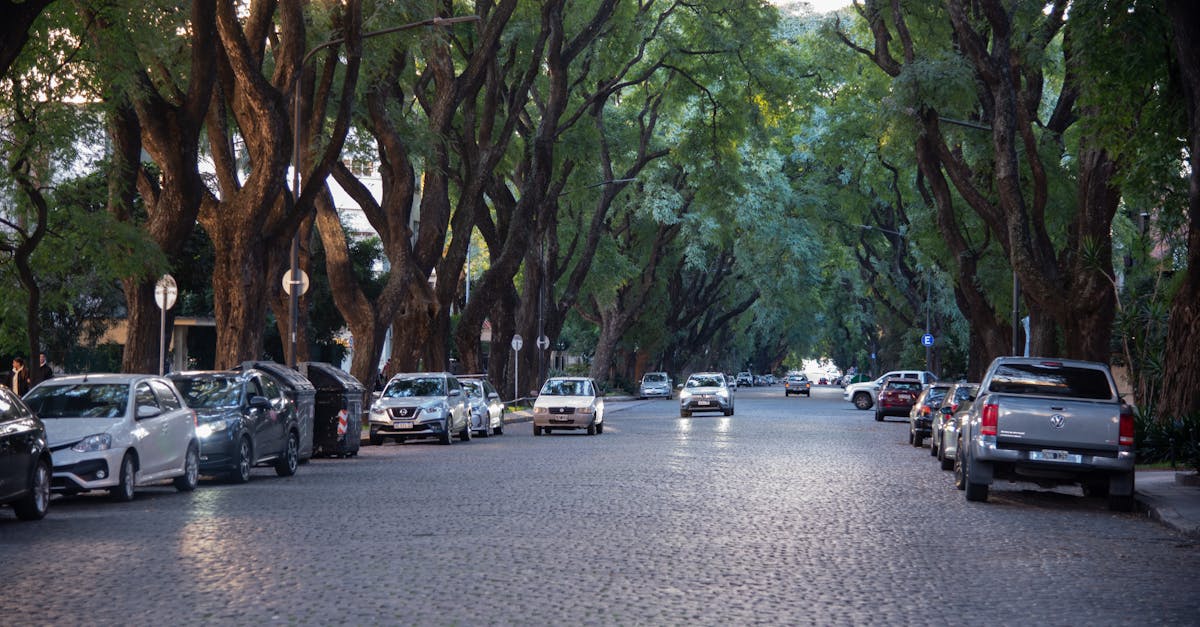
October and November, when the jacarandas turn Palermo and Recoleta purple and the weather is warm without January's humidity. Our November guide makes the case.
March and April are the other good window.
January and February are hot and much of the city leaves for the coast.
Checked 21 Aug 2026.
Everything we check for Argentina →Visa-free · 90 days, on all five passports we check.
Short tourist stays only. Checked 21 Aug 2026; rules change without notice and the government page is the source of truth.
Check your own passport →Before you book
Where to stay in Buenos Aires is the decision that shapes these three days, and it has the money detail in full.
Our November guide explains why the jacaranda weeks are the ones to book, and honeymoon destinations covers the wider South American options.
The itineraries hub collects the rest and the Argentina country page has the practical layer.
Opening arrangements and the currency situation checked September 2026 against Argentina's national tourism site and the city's own visitor information. Argentine monetary policy has changed direction repeatedly, so re-check the payment advice close to travel.