Where to stay in Buenos Aires
The blue dollar advice every guide still gives is out of date since April 2025. Five neighbourhoods, what changed about paying, and where not to book.
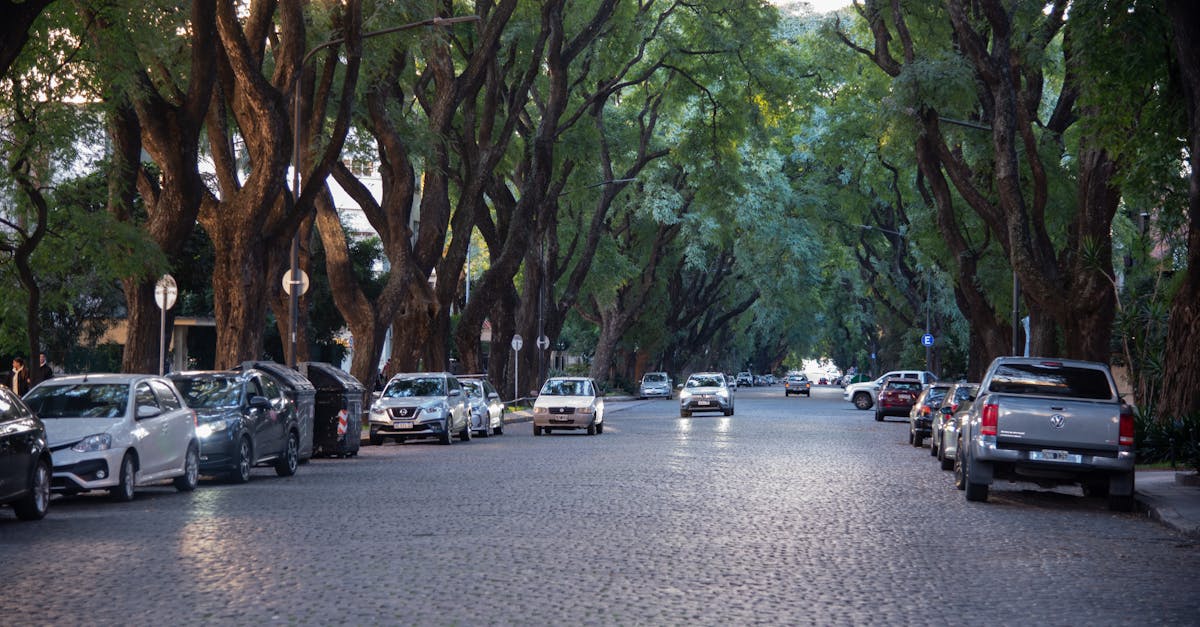
Photo · Cristiano Junior · Pexels
First visit: Palermo, and within it Soho or Hollywood. Walkable, green, the best eating, and comfortable to move around in the evening.
Grander and quieter: Recoleta. Atmospheric and cheaper: San Telmo, with a caveat about the streets at night. Long stay: Villa Crespo or Chacarita.
Before any of that, the thing almost every other guide still has wrong.
Argentine peso. Convert any figure on this page into your own currency at today's published rate.
Open the currency converter →The money advice that expired in April 2025
Stop reading guides that tell you to bring a brick of US$100 bills.
For a decade, Argentina's currency controls produced a parallel "blue dollar" rate far better than the official one, and the whole of travel advice was built around carrying cash to a cueva on Calle Florida.
The controls were lifted in April 2025. The official, MEP and blue rates have since converged to within about two per cent of each other, and the tax that penalised foreign cards was removed. The convergence and what it means for travellers is set out here.
What that means practically:
- A card with no foreign transaction fee is now fine and gets essentially the market rate.
- The cuevas still exist and the margin is now one or two per cent, which is not worth carrying cash across a border for.
- You do not need to plan the trip around your payment method any more. That is a genuinely new sentence and most published advice has not caught up.
And the habit that still matters: decline every offer to be charged in your own currency at a terminal. That rate is always worse.
The five neighbourhoods
1. Palermo, for a first visit
Who it suits: almost everyone.
What it costs: the middle of the market, with the widest choice.
Why it works: it is enormous and it is subdivided usefully. Palermo Soho is low-rise, cobbled, full of boutiques and restaurants. Palermo Hollywood, across the railway, has the bigger restaurant and bar scene. Palermo Chico is the embassy end, quiet and grand. The Bosques de Palermo parks are on the doorstep.
The catch: Soho is busy and loud at the weekend, and the restaurant prices in the tourist blocks have risen faster than the city's.
2. Recoleta, for the grand version
Who it suits: older travellers, couples, anyone who wants the belle époque city.
What it costs: similar to Palermo, sometimes above it.
Why it works: the cemetery, the Bellas Artes museum, the Ateneo Grand Splendid bookshop in a converted theatre, and wide French-style boulevards. It is the most beautiful part of the city.
The catch: it is quieter in the evening and the restaurant scene is conservative compared with Palermo's.
3. San Telmo, for the atmosphere and the price
Who it suits: anyone who wants the old city, the tango and the Sunday market, and anyone counting.
What it costs: below Palermo and Recoleta.
Why it works: cobbled streets, the Sunday feria along Defensa, the Mercado de San Telmo, and the best concentration of genuine tango venues rather than dinner shows.
The catch, and it is worth stating plainly: San Telmo is noticeably quieter and less comfortable at night than the two above, and the streets between it and the centre are ones to take a car through rather than walk. It is a fine choice in daylight and one that needs a bit more care after dark.
4. Villa Crespo and Chacarita, for a longer stay
Who it suits: anyone staying a month, remote workers, anyone who wants Palermo prices from five years ago.
What it costs: the best value in the walkable city.
Why it works: both sit just beyond Palermo, both have the coffee and the restaurants arriving, and both are residential in a way Palermo has stopped being.
The catch: fewer sights, and you walk or ride into Palermo for the evening.
5. Retiro and Puerto Madero, if the trip requires them
Retiro has the grand station and the bus terminal and is convenient for onward travel, and the blocks immediately around the terminal are the one part of central Buenos Aires visitors are consistently warned about.
Puerto Madero is the redeveloped dock: modern towers, wide promenades, expensive restaurants, extremely safe and entirely without character. It suits a business trip and almost nothing else.
Where not to stay
Not La Boca. The painted Caminito blocks are a genuine sight and they are two streets deep. The surrounding area is a working port neighbourhood that visitors are consistently advised not to wander in. Go for an hour in the morning and sleep somewhere else.
Not the blocks immediately around Retiro terminal, for the same reason at a lower intensity.
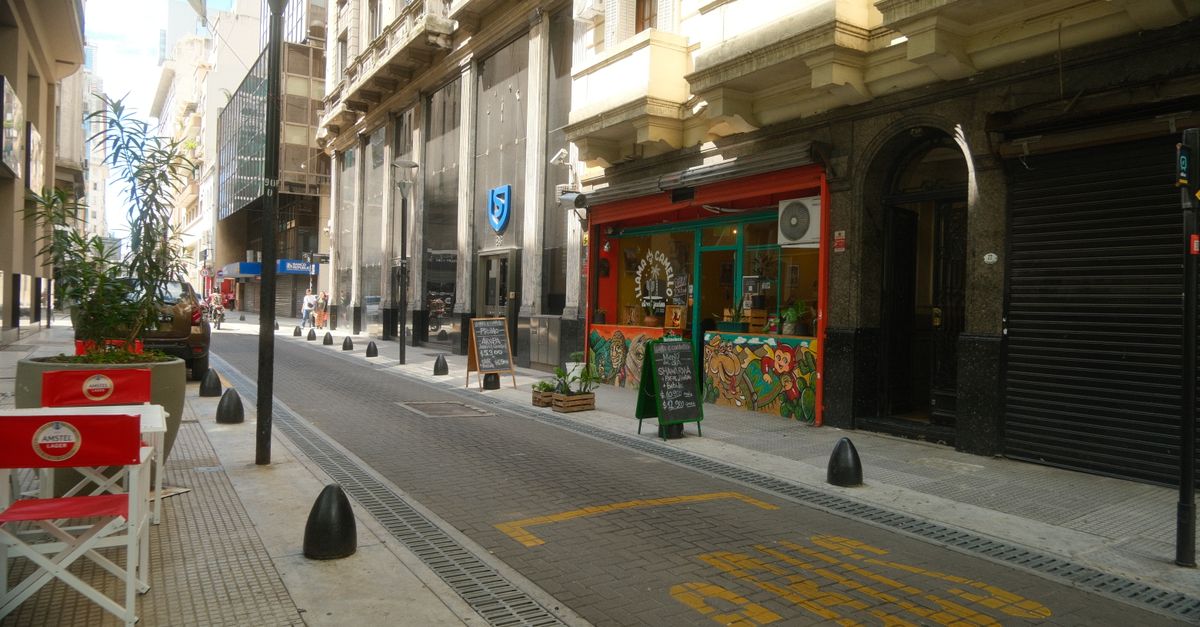
Not the microcentro on a short trip. It is the financial district, it is built for office workers, and it is dead in the evening and at the weekend.
And be careful with "Palermo" in listings. The barrio is very large. A hotel at the far northern edge is technically in Palermo and is a twenty-minute walk from anything in Soho.
When to go
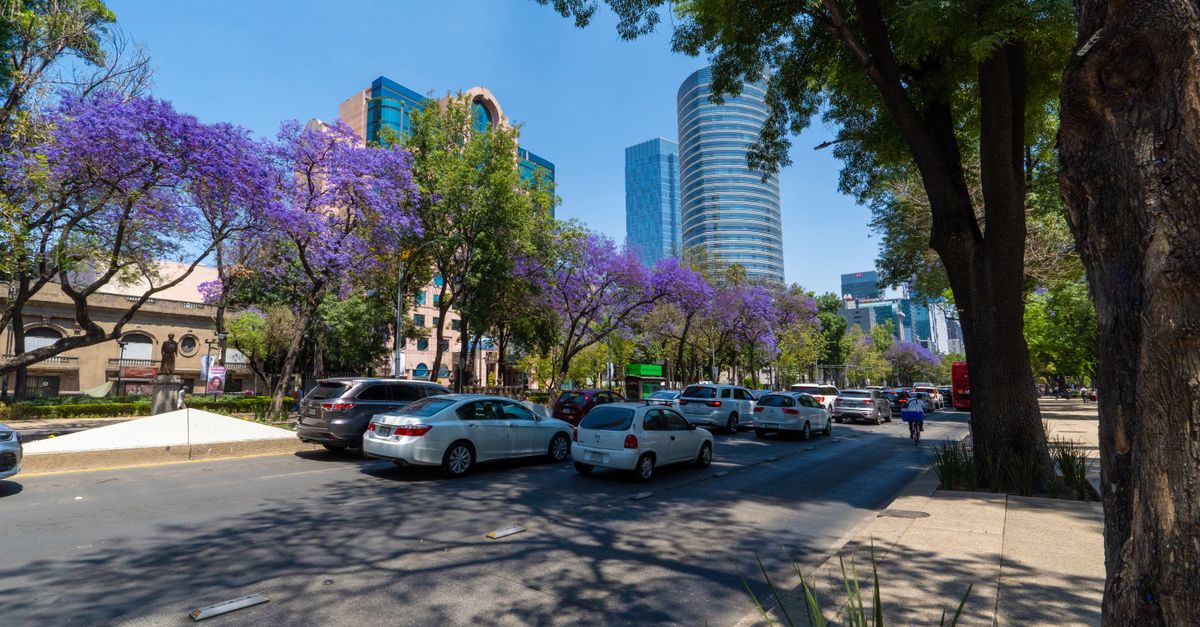
October and November are the best months: the jacarandas flower across Palermo and Recoleta, and it is warm without January's humidity. Our November guide makes the case.
March and April are the other window, on the far side of the summer.
January and February are hot and much of the city goes to the coast, which is either the appeal or the problem depending on what you wanted. Patagonia runs on a different schedule entirely, with its own short summer, so a trip combining the two is really two seasons.
Checked 21 Aug 2026.
Everything we check for Argentina →Visa-free · 90 days, on all five passports we check.
Short tourist stays only. Checked 21 Aug 2026; rules change without notice and the government page is the source of truth.
Check your own passport →Before you book
Three days in Buenos Aires is the itinerary these neighbourhoods serve.
Our November guide explains why the jacaranda weeks are the ones to book, and where to stay in Mexico City covers the other great Latin American city on this site.
The where to stay hub collects the rest and the Argentina country page has the practical layer.
The currency change and its effect on payment methods checked September 2026 against current reporting on the convergence and Argentina's national tourism site. Argentine monetary policy has changed direction repeatedly, so this is one to re-check close to travel rather than assume.