 Uncommon · +150 XP
Best time to visit: Mar–Apr · Oct–Nov
Daily spend ~$80
Uncommon · +150 XP
Best time to visit: Mar–Apr · Oct–Nov
Daily spend ~$80
Argentina
Glaciers at one end, subtropical falls at the other, and a capital that eats at midnight.
Argentina in ten slides
Wikipedia · 3 Sep 2026


Best time to visit Argentina: Mar–Apr · Oct–Nov
Where people go in Argentina
- Buenos Aires5 days is about right
- Mendoza3 days is about right
- Salta3 days is about right
- Mar del Plata3 days is about right
- Córdoba2 days is about right
- Tucumán2 days is about right
- Rosario2 days is about right
- La Plata2 days is about right
- San Juan
- Santa Fe
What people go to see in Argentina

The La Plata Astronomical Observatory is an observatory located in the city of La Plata, capital of the province of Buenos Aires, Argentina. Its IAU code is 839.
Wikipedia · CC BY-SA 4.0 · 15 Jul 2026
Claudio Elias · Public domain

The Cathedral of La Plata or the Cathedral of the Immaculate Conception in La Plata, Argentina, dedicated to the Immaculate Conception, is the 58th tallest church in the world. This Neogothic edifice is located in the geographical center of the city, facing the central square, Plaza Moreno, and the City Hall.
Wikipedia · CC BY-SA 4.0 · 7 Jul 2026
Federico Pinto · CC BY-SA 3.0

The Curutchet House, La Plata, Argentina, is a building by Le Corbusier. It was commissioned by Dr. Pedro Domingo Curutchet, a surgeon, in 1948 and included a small medical office on the ground floor. The house consists of four main levels with a courtyard between the house and the clinic.
Wikipedia · CC BY-SA 4.0 · 9 Jul 2024
Consuelopumara · CC BY-SA 4.0

Club Estudiantes de La Plata, referred to simply as Estudiantes de La Plata, is an Argentine professional sports club based in La Plata. The club's football team currently competes in the Primera División, where it has spent most of its history.
Wikipedia · CC BY-SA 4.0 · 3 Sep 2026
Unknown author · Public domain
The La Plata Museum is a natural history museum in La Plata, Argentina. It is part of the Facultad de Ciencias Naturales y Museo of the National University of La Plata.
Wikipedia · CC BY-SA 4.0 · 21 Dec 2025

Plaza Moreno is the central public square of La Plata, the capital of Buenos Aires Province, Argentina. Located at the geometric centre of the city's urban grid, it occupies nearly 8 hectares between streets 50, 54, 12 and 14, making it one of the largest public squares in Argentina.
Wikipedia · CC BY-SA 4.0 · 14 Jun 2026
Hmlaplata · CC BY-SA 3.0

The Teatro Argentino de La Plata is the second most important lyric opera house in Argentina, after the Teatro Colón in Buenos Aires. The theatre is located in a central block of the city of La Plata, the capital of Buenos Aires Province. The venue occupies the block bounded by the 9 and 10 streets and 51 & 53 avenues; it belongs to the Monumental Axis of public buildings in La Plata.
Wikipedia · CC BY-SA 4.0 · 9 Aug 2025
Juan Pedro Diez · CC BY 2.0

La Boca is a neighborhood (barrio) of Buenos Aires, the capital of Argentina.
Wikipedia · CC BY-SA 4.0 · 24 Aug 2026
Gonzabar77 · CC BY 4.0


The Plaza de Mayo is the main city square of Buenos Aires, Argentina. It was formed in 1884 after the demolition of the Recova building, unifying the city's Plaza Mayor and Plaza de Armas, by that time known as Plaza de la Victoria and Plaza 25 de Mayo, respectively.
Wikipedia · CC BY-SA 4.0 · 9 Aug 2026
ProtoplasmaKid · CC BY-SA 4.0
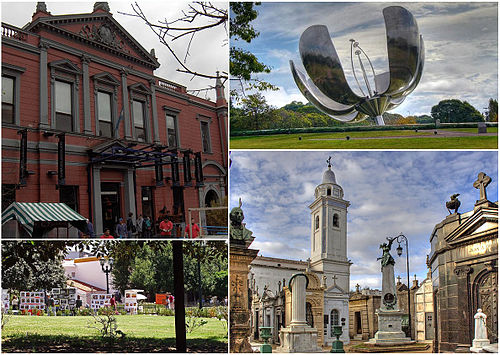
Recoleta is a barrio or neighborhood of Buenos Aires, Argentina, located in the northern part of the city, by the Río de la Plata. The area is perhaps best known to be the home of the distinguished Recoleta Cemetery. It is a traditional upper-class and conservative neighborhood with some of the priciest real estate in the city, known for Paris-style townhouses, lavish former palaces and posh boutiques.
Wikipedia · CC BY-SA 4.0 · 19 Apr 2026
Bleff · CC BY-SA 3.0

San Telmo is the oldest barrio (neighborhood) of Buenos Aires, Argentina. A well-preserved area of the Argentine metropolis, it hosts some of its oldest buildings. One of the birthplaces of tango, during the mid 20th century it was the Bohemian district with painters ateliers and jazz clubs.
Wikipedia · CC BY-SA 4.0 · 21 Jun 2026
Bleff · CC BY-SA 3.0

The Teatro Colón is a historic opera house in Buenos Aires, Argentina. It is considered one of the ten best opera houses in the world by National Geographic. According to a survey carried out by the acoustics expert Leo Beranek among leading international opera and orchestra directors, the Teatro Colón has the room with the best acoustics for opera and the second best for concerts in the world.
Wikipedia · CC BY-SA 4.0 · 5 Jul 2026
EEJCC · CC0


The Jesuit Block and Estancias of Córdoba are a collection of buildings and sites formerly used by the Jesuits in the province of Córdoba, Argentina, which were named a World Heritage Site in 2000.
Wikipedia · CC BY-SA 4.0 · 24 Jul 2026
Unknown · CC BY-SA 3.0

Plaza San Martín is a green space located in the downtown of the Argentinian city of Córdoba.
Wikipedia · CC BY-SA 4.0 · 2 Jan 2025
Rafael Bravo · CC BY-SA 2.0

The Teatro del Libertador General San Martín is the premier stage theatre, opera house and concert hall in Córdoba, Argentina.
Wikipedia · CC BY-SA 4.0 · 9 Aug 2025
User:Cordobes · CC BY-SA 3.0

The Bristol Hotel was a luxury hotel in Mar del Plata, Argentina. At one time it was patronised by the elite of Buenos Aires. Later it became run down, and in 1944 it was sold, subdivided and rented the premises for commercial use.
Wikipedia · CC BY-SA 4.0 · 16 Jul 2026
Unknown author · Public domain

The Casa del Puente is a house designed by the Argentine architect Amancio Williams in 1942 in the city of Mar del Plata, Argentina. The house is built over the course of a stream known as Las Chacras. It was intended to serve as the permanent residence of Williams's father, Argentine musician and composer Alberto Williams.
Wikipedia · CC BY-SA 4.0 · 26 Aug 2026
Unknown author · Public domain

The Casino Central is located in Mar del Plata, Argentina, and is one of the largest casinos in the country.
Wikipedia · CC BY-SA 4.0 · 8 Jul 2026
Mar del Plata Puntonoticias · CC BY-SA 2.0

The Juan Carlos Castagnino Municipal Museum of Art is a museum of fine arts in Mar del Plata, Argentina. Its building, the Ortiz Basualdo Villa, is a National Monument of Argentina.
Wikipedia · CC BY-SA 4.0 · 11 Dec 2024
Aleposta · Public domain

The Juan B. Castagnino Fine Arts Museum is an art museum in the city of Rosario, province of Santa Fe, Argentina, considered the most important of the interior of the country and the second in national terms. It is administered by the municipal government.
Wikipedia · CC BY-SA 4.0 · 18 Oct 2024
Nicolasrnphoto · CC BY-SA 4.0

The Dr. Julio Marc Provincial Historical Museum is a museum in Rosario, Argentina. It comprises more than 30 rooms hosting collections of archaeological items, Spanish-American art, numismatics, pre-Columbian textile and silverwork crafts, and weapons, complemented by archives, a library, and collections of historical newspapers and maps.
Wikipedia · CC BY-SA 4.0 · 16 Dec 2023
Roberto Ettore · CC BY 3.0

The Parque de la Independencia is a large public park in Rosario, province of Santa Fe, Argentina. It is located near the geographical center of the city, its limits defined by Moreno Street and three important avenues: Pellegrini Avenue, Ovidio Lagos Avenue, and 27 de Febrero Boulevard. It has a surface area of 1.26 km2 (0.49 sq mi).
Wikipedia · CC BY-SA 4.0 · 21 Nov 2025
Pablo D. Flores · CC BY-SA 2.5

Plaza Pringles is a plaza in Rosario, province of Santa Fe, Argentina. Its name is an homage to Colonel Juan Pascual Pringles, hero of the Spanish American wars of independence.
Wikipedia · CC BY-SA 4.0 · 31 Mar 2025
No machine-readable author provided. Pablo-flores assumed (based on copyright claims). · CC BY-SA 2.5

Plaza San Martín is a plaza in Rosario, province of Santa Fe, Argentina. Its name is an homage to General José de San Martín, hero of the Argentine War of Independence.
Wikipedia · CC BY-SA 4.0 · 8 May 2020
Pablo D. Flores · CC BY-SA 2.5

The Historical House of Tucumán is a historic building and museum located in San Miguel de Tucumán, Argentina, built during the colonial times. The Congress of Tucumán worked in this house during the Argentine War of Independence, and issued the Argentine Declaration of Independence on July 9, 1816. It was nationalized decades later, and partially demolished for its poor condition.
Wikipedia · CC BY-SA 4.0 · 8 Aug 2026
José Lazarte (own work) · Public domain


Ninth of July Park is the largest public park in the city of San Miguel de Tucumán, Argentina.
Wikipedia · CC BY-SA 4.0 · 29 Mar 2026
No machine-readable author provided. Jlazarte assumed (based on copyright claims). · Public domain


The Our Lady of the Incarnation Cathedral, also called San Miguel de Tucumán Cathedral, is the mother church of the city of San Miguel de Tucuman, in the province of Tucuman, in the South American country of Argentina. The temple was founded in the seventeenth century and is home to the metropolitan Archdiocese of Tucumán since 1897.
Wikipedia · CC BY-SA 4.0 · 12 Jul 2026
Anadiez · CC BY-SA 4.0

The Cerro de la Gloria is a small mount located in the city of Mendoza, Argentina, at the General San Martín Park. It features a huge memorial monument to the Army of the Andes at the top. The monument is the work of Uruguayan sculptor Juan Manuel Ferrari, along with the Argentines Juan Carlos Oliva Navarro, Víctor Garino, Víctor Calistri, Víctor Guarini y Víctor Cerini.
Wikipedia · CC BY-SA 4.0 · 14 Mar 2026
Bernard Gagnon · CC BY-SA 4.0

The Parque General San Martín is a park located in the city of Mendoza, Argentina.
Wikipedia · CC BY-SA 4.0 · 16 Feb 2026
MacAllenBrothers · CC BY-SA 2.0

The flag of the Andes is a preserved flag from the time of the Argentine War of Independence, used by patriot José de San Martín and his Army of the Andes during their Crossing of the Andes and their subsequent military campaigns to Chile and Peru. The flag of the Andes was personally designed by San Martín and sewn by ladies from the Cuyo region and wives of San Martín's officers.
Wikipedia · CC BY-SA 4.0 · 28 Aug 2025
Original fabric: artist unknown, commissioned by José de San Martín Photo: Patricia Lissa · Public domain


The Museum of High Altitude Archaeology is an archaeology museum located in the historical center of Salta, Argentina, which conserves and exhibits collections related to the Capacocha child sacrifice ceremonies performed by the Inca in the high peaks of the Andes, mainly the Children of Llullaillaco mummies discovered in 1999 at the top of the Llullaillaco volcano.
Wikipedia · CC BY-SA 4.0 · 19 Jan 2026
Unknown author · Public domain

Salta Cathedral is a Roman Catholic cathedral in Salta, Argentina. The church serves as the seat and the metropolitan cathedral of the Archbishop of Salta. The cathedral is dedicated to Jesus Christ as the “Lord of Miracles” and the Blessed Virgin Mary as the “Our Lady of the Miraculous Rosary”.
Wikipedia · CC BY-SA 4.0 · 2 Aug 2026
Steven Tran (from Denmark) / Marianocecowski · CC BY-SA 3.0

The Tren a las Nubes is a tourist train service in Salta Province, Argentina. The service runs along the eastern part of the Salta–Antofagasta railway line of the Belgrano Railway that connects the Argentine Northwest with the border in the Andes mountain range, over 4,220 metres (13,850 ft) above mean sea level, the fifth highest railway in the world.
Wikipedia · CC BY-SA 4.0 · 28 Nov 2025
Ministry of Transport of Argentina · CC BY-SA 2.0
Sourced stays
Sourced experiences
Fly to Argentina
The facts you look up on the plane
Guides about Argentina
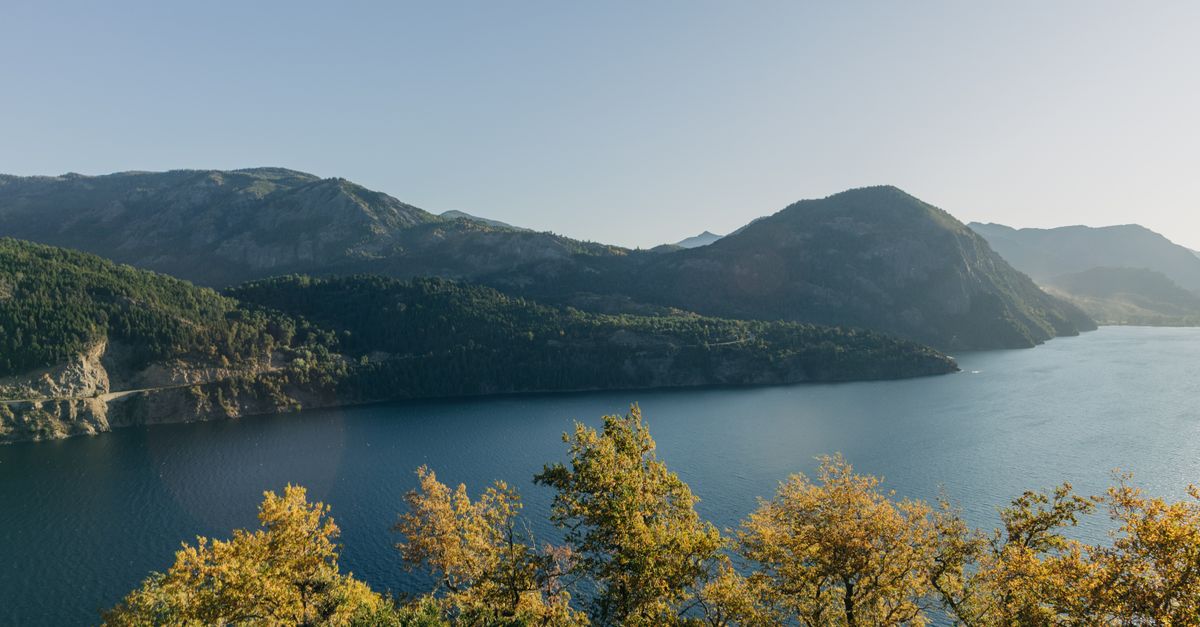
Patagonia has a three-month season and Buenos Aires has ten. The month table, the jacaranda weeks, and how to build a trip when the two disagree.
Camila Duarte · 2 Sep 2026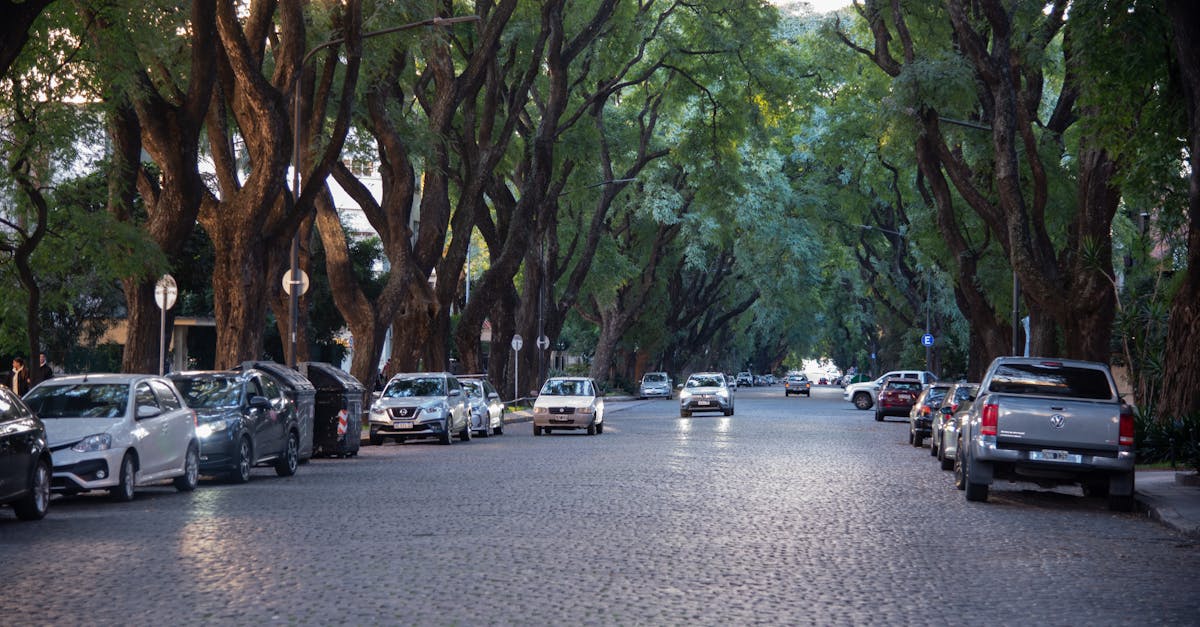
Buenos Aires runs late, so a route built on European hours wastes half of it. Three days on the city's own clock, the tango call, and one thing to skip.
Camila Duarte · 2 Sep 2026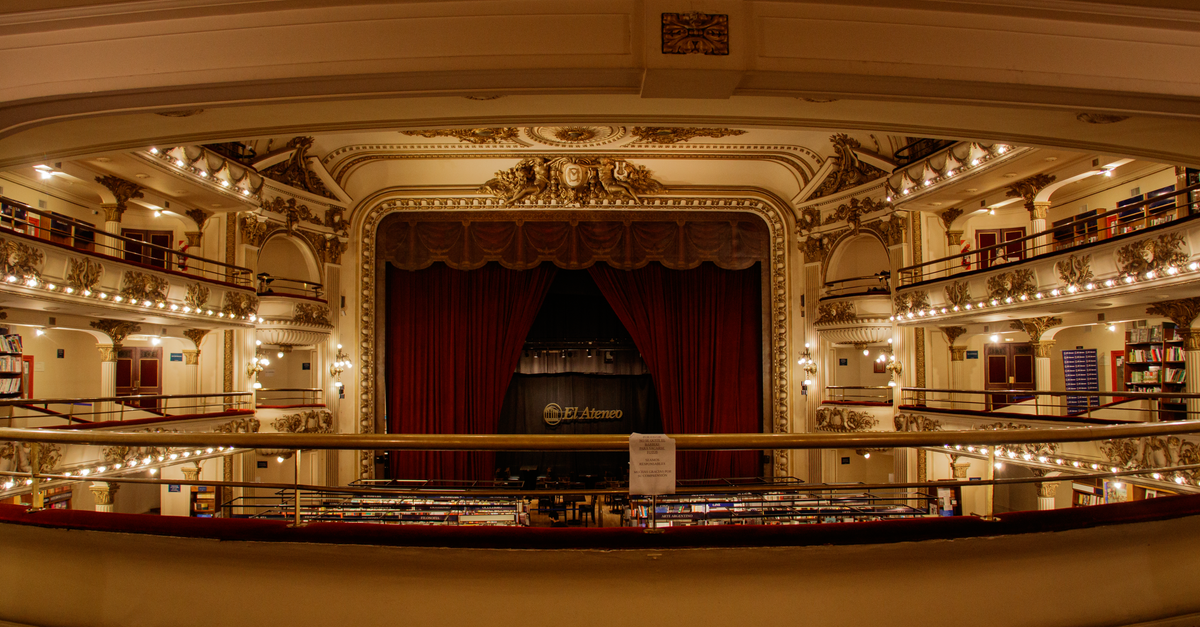
Every guide still tells you to bring US dollars and it has been wrong since April 2025. What a month costs in pesos now, the neighbourhoods, and the caveats.
Tobi Adeyemi · 2 Sep 2026Not going yet? Pin it.
One tap puts it on your map and in your pins, for when you are ready.