The best time to visit Peru
The Inca Trail closes for the whole of February and Machu Picchu does not. The three climates, the month table, and the shoulder weeks worth booking.
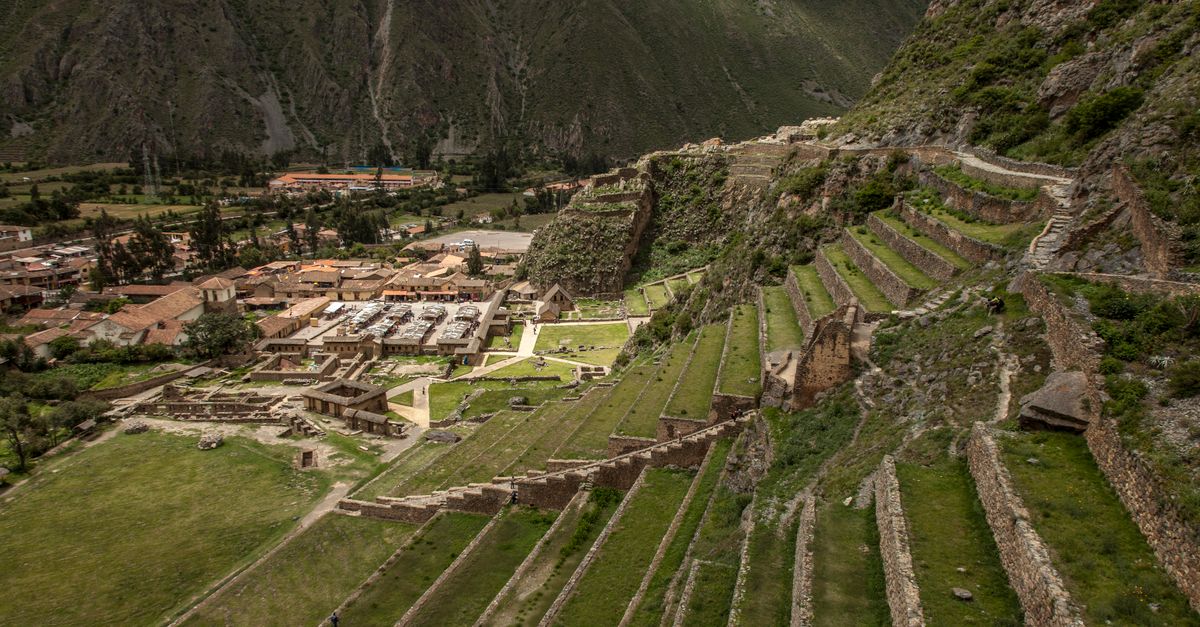
Photo · Jiban Game · Pexels
May and September. Both are the shoulder of the Andean dry season: clear mountain weather, without the June-to-August crowds and prices.
And one date that catches people every year: the Inca Trail closes for the whole of February.
Peruvian sol. Convert any figure on this page into your own currency at today's published rate.
Open the currency converter →Peru is three climates and they do not agree
The Andes, which is the trip most people are planning. Dry season roughly May to September, wet season November to March.
The coast, including Lima, which runs the opposite way. Its warmest and clearest weather is December to March, and for much of the rest of the year it sits under the garúa, a grey sea fog that does not really rain and does not lift.
The Amazon, which is wet all year and has a high-water season from about December to May and a low-water one after it.
So there is no single best month for Peru, there is a best month for the trip you are taking, and the Andean answer is the one most people need.
The month table
| Month | Andes | Coast | Verdict |
|---|---|---|---|
| Jan | Wet, trails muddy | Warm and clear | Coast yes, mountains no |
| Feb | Wettest. Inca Trail closed | Warm and clear | The one to avoid for trekking |
| Mar | Wet, easing late | Warm and clear | Improving |
| Apr | Drying, green | Turning grey | Good and quiet |
| May | Dry, clear, green | Grey | Best value month |
| Jun | Dry, cold nights | Grey | Peak begins |
| Jul | Dry, coldest nights | Grey | Peak, busiest |
| Aug | Dry, windy | Grey | Peak |
| Sep | Dry, clear | Grey | Best of the two shoulders |
| Oct | Dry turning wet | Improving | Good, thinning |
| Nov | Wet begins | Warming | Mixed |
| Dec | Wet | Warm and clear | Coast yes |
The Inca Trail, and the two things to know
It closes for all of February, every year, for maintenance, and reopens on 1 March. The trail's permit availability is published well ahead.
Machu Picchu itself stays open, and the alternative treks, Salkantay and Lares among them, keep running. So February is a bad month for the classic trail and not a bad month for the site.
Permits are capped daily and sell out. Six months ahead for the peak months, and more than that for a specific date in June, July or August.
And the entrance ticket is now separate. Machu Picchu uses fixed circuits rather than free movement around the site, and the circuit you hold determines what you can walk to. Check which circuit your ticket or trek package includes rather than assuming.
Season by season
The dry season, May to September. Clear days, cold nights at altitude, and the trekking season. June to August is the peak in every sense: the weather is at its most reliable, the crowds and the prices at their highest, and the nights at Cusco's 3,400 metres genuinely cold.
The shoulders, April to May and September to October. Our recommendation. The rains have finished or not started, the landscape is green rather than brown, and the rates and the queues are meaningfully lower.
The wet season, November to March. Rain most afternoons in the Andes, the trails muddy, some roads affected, and the coast at its best. It is also the cheapest and emptiest time at Machu Picchu, which is a genuine argument for anyone who does not mind the weather.
Events worth planning around
Inti Raymi in Cusco, 24 June, the Inca sun festival re-enacted at Sacsayhuamán. It is a genuine spectacle and it fills the city, so book months ahead or avoid the week deliberately.
Independence Day, 28 and 29 July. Domestic travel peaks and everything is busier.
Semana Santa, which moves with Easter and in 2027 falls in March, is a significant travel week in Cusco and Ayacucho.
The altitude, which is a bigger factor than the month
Cusco sits above 3,400 metres, which is higher than most people have been. Acclimatisation days are not optional and they cannot be compressed.
The practical version: land in Cusco and do nothing on the first afternoon, or better, go straight down to the Sacred Valley at about 2,800 metres and sleep there for two nights before coming back up. Our ten-day Peru route is built that way, which is why it is ten days rather than seven.
Checked 21 Aug 2026.
Everything we check for Peru →Visa-free · 90 days, on all five passports we check.
Short tourist stays only. Checked 21 Aug 2026; rules change without notice and the government page is the source of truth.
Check your own passport →Before you book
The ten-day Peru route is the trip this calendar is for, and our September guide explains why that month works across the southern hemisphere as well.
The best time to visit Argentina covers the neighbour if a longer South American trip is in play.
The when to go hub collects the seasonal guides and the September month page rates the catalogue for that month.
Trail closure, permit and circuit rules checked September 2026 against current permit availability listings and Peru's national tourism board. Machu Picchu's circuit rules and daily caps have changed several times in recent years, so confirm what your specific ticket allows.