Bangkok street food: where to actually eat
Michelin lists 44 cheap eats in and around Bangkok. Which areas to work, what a plate should cost in baht, the hours that matter, and the stall to skip.
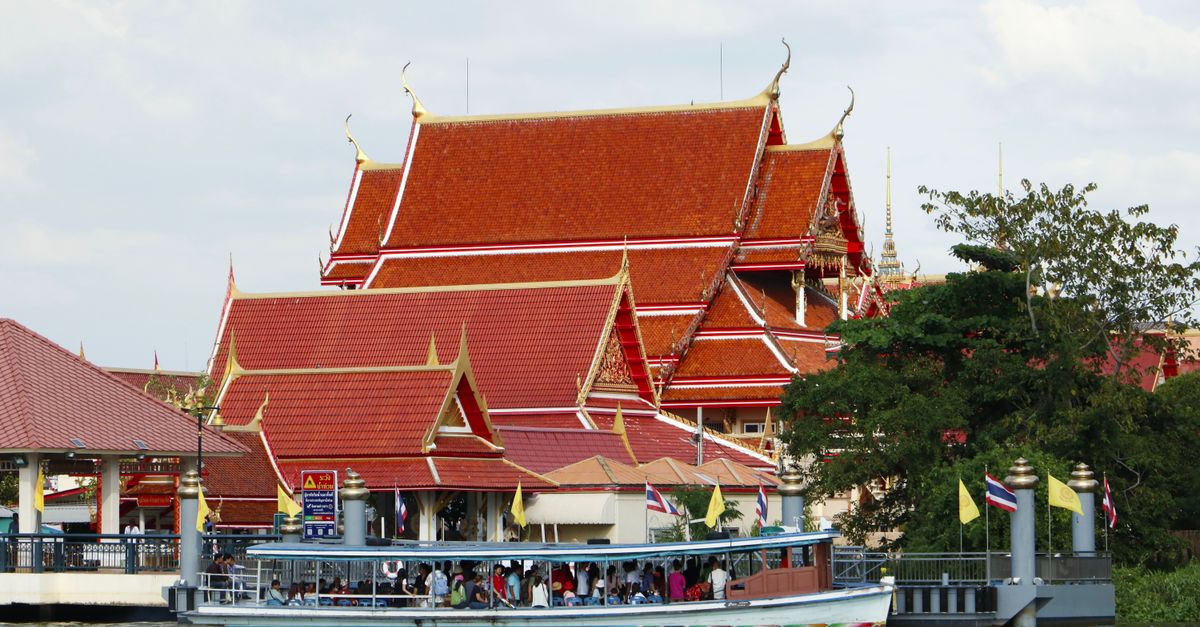
Photo · Kim Villanueva · Pexels
Bangkok is one of the two or three best eating cities in the world and most visitors eat badly in it, because they eat where they are standing rather than where the food is.
Three rules cover almost all of it. Go to the right areas. Go at the right hours. Join the longest queue.
Thai baht. Convert any figure on this page into your own currency at today's published rate.
Open the currency converter →What a plate should cost
Checked September 2026, in baht, because the price on the counter is the only number that stays true.
| Baht | |
|---|---|
| Noodles or rice from a stall | 40 to 70 |
| The same with more seafood in it | 80 to 120 |
| A grilled skewer | 10 to 20 |
| Fresh fruit, a bag | 20 to 40 |
| A plate at a Michelin Bib Gourmand stall | Usually still under 150 |
If a stall in a tourist district quotes several hundred baht for a plate of pad thai, you are not being cheated, you are in the wrong place. Walk two streets and the price halves.
The Michelin guide is genuinely useful here, which is unusual. Its Bib Gourmand category is explicitly good food at a low price, and the 2026 Thailand list runs to 137 venues, of which 44 are in Bangkok and the surrounding provinces, most of them stalls and shophouses rather than restaurants. The guide publishes the full list.
The five areas, ranked
1. Yaowarat, Chinatown, after 7pm
The best eating street in Southeast Asia and it is not a close call. The road itself is the headline, and the lanes off it are where the good stalls are.
What to eat: the charcoal-grilled seafood stalls that set up on the pavement, guay jub, the peppery rolled rice noodle soup, oyster omelettes, and the Chinese-Thai dessert stalls that run late.
When: the stalls set up from around six and the road is fully alive by eight. It runs until midnight or later.
The one warning: Yaowarat on a Saturday night is shoulder to shoulder. A Tuesday is the same food and half the crowd.
2. Charoen Krung and Talat Noi
The old riverside road running south from Chinatown, and the lanes of Talat Noi behind it. Less famous, less crowded, and the food is the same standard.
This is where to go if Yaowarat felt like a tourist attraction rather than a street.
3. Or Tor Kor market, for the daytime
Across from Chatuchak, and the best-quality produce market in the city with a food court attached to it.
This is the daytime answer, because much of Bangkok's street eating happens at breakfast and in the evening and stops in between. Or Tor Kor runs through the middle of the day.
What to eat: the southern Thai curries, which are hotter and more turmeric- heavy than the Bangkok versions, and the fruit, which is the best in the city.
4. Wang Lang, on the Thonburi side
The market by Siriraj Hospital, reached by a two-minute cross-river ferry, and almost no foreign visitor makes the crossing.
It is a working market for hospital staff and students, which means fast turnover, low prices and no concession to anybody. The ferry costs a few baht and is the best value transport in Bangkok.
5. Your own soi, in the morning
Whatever residential lane your hotel is on has a breakfast stall on it. Rice congee, curries ladled over rice, grilled pork skewers with sticky rice.
This is the meal most visitors miss entirely, because it happens between seven and ten and is finished by the time a holiday morning starts. It is also the cheapest and often the best food you will eat.
Our Bangkok areas guide has which neighbourhoods have the good morning lanes, which is a genuine reason to prefer one over another.
The hours, which nobody explains
7am to 11am. Breakfast: congee, curry over rice, noodle soup. Busy, cheap, finished by mid-morning.
11am to 2pm. Lunch, mostly one-plate rice and noodle dishes, at office-worker prices in the business districts.
2pm to 5pm. The dead zone. A lot of stalls close and the ones that stay open are selling snacks and drinks.
6pm to midnight. The grills, the woks, the seafood, Yaowarat. This is the main event.
Planning around this is worth more than any list of stalls. A 3pm arrival looking for street food finds a shut city and concludes Bangkok is overrated.
How to pick a stall
Turnover, not appearance. A busy stall cooking to order in front of you is the safest food in the city, because nothing has been sitting.
One thing per stall. The best stalls in Bangkok sell one dish and have sold it for thirty years. A stall with a laminated twelve-page menu in four languages is a different kind of business.
Point at what somebody else is eating. It works, it is normal, and nobody minds.
Avoid anything pre-cooked and sitting warm without a flame under it, and be careful with raw or lightly cooked shellfish, which is the one genuine risk category.
The one to skip
Skip Jay Fai unless the queue is the point. It holds a Michelin star, it is the only starred street stall in the city, and the crab omelette really is extraordinary.
It is also the most expensive plate of street food in Thailand by a wide margin, the wait can run for hours without a booking, and the pricing has been publicly contested. Go if it is a specific thing you want to have done. Do not go expecting a street stall experience, because it stopped being one when the star arrived.
Also skip Khao San Road for food. It is a good street for a drink and a bad one for eating, and the pad thai carts there are priced for people who have not yet been anywhere else.
And skip the tuk-tuk driver's food tour. Same commission run as the gem shop, with dinner attached.
Checked 21 Aug 2026.
Everything we check for Thailand →Visa-free · 60 days, on all five passports we check.
Short tourist stays only. Checked 21 Aug 2026; rules change without notice and the government page is the source of truth.
Check your own passport →Before you book
The three-day Bangkok route builds the eating into the days, and where to stay decides which morning lane is yours.
Bangkok or Chiang Mai covers the northern food, which is a genuinely different cuisine, and Thailand for first-timers has the arrival practical layer.
The best of hub collects the rest and the Thailand country page has the tools.
Prices and the Bib Gourmand count checked September 2026 against the Michelin Guide's 2026 Thailand list and the Tourism Authority of Thailand. Street prices move with ingredient costs and stalls move or close, so treat individual stalls as a starting point and the areas and hours as the durable advice.