India for first-timers
The first-trip mistake is covering too much ground in too little time. One region done properly, the air months nobody warns about, and what a day costs.
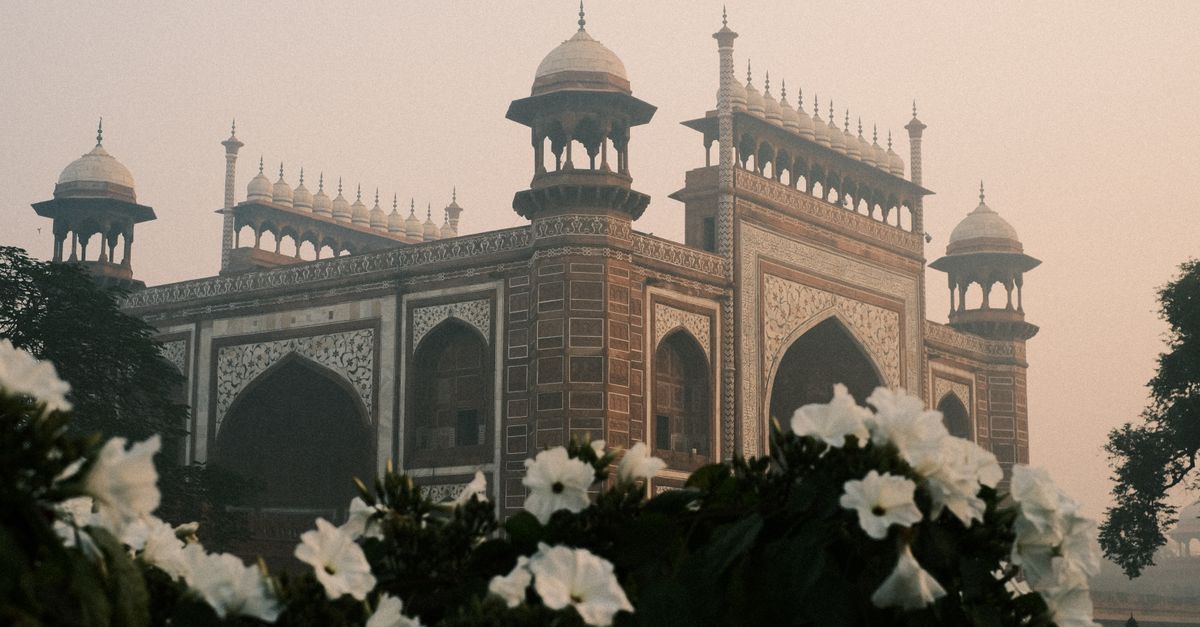
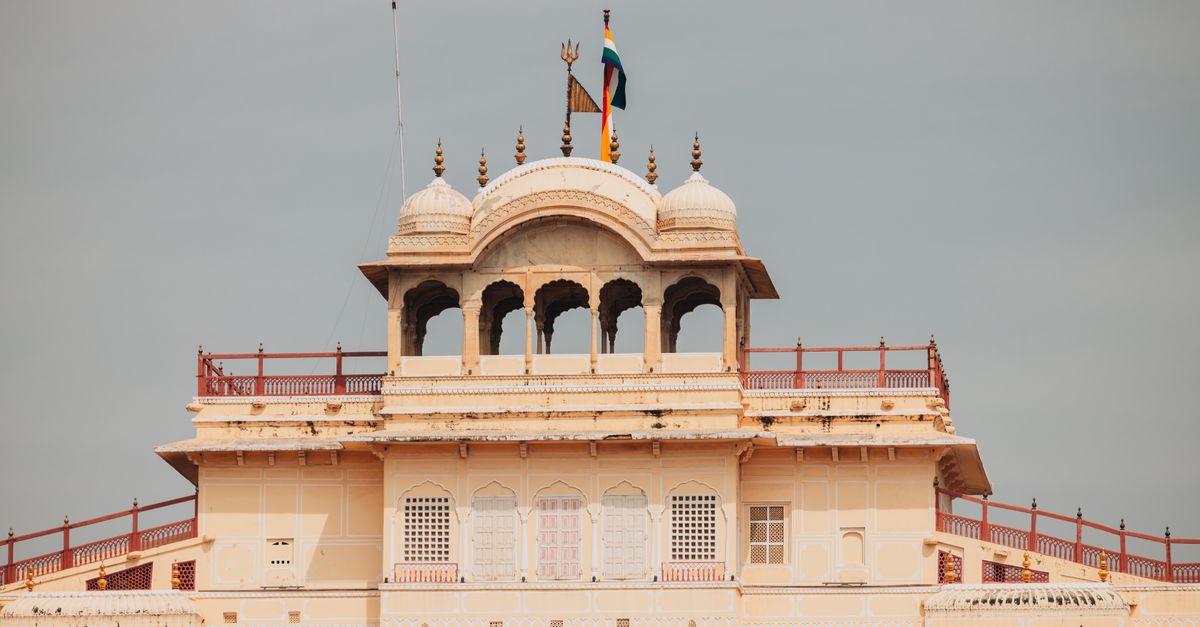
Photo · urtimud.89 · Pexels
The first-trip mistake in India is not about food, or safety, or money.
It is distance.
India is the size of western Europe with worse average road speeds, and the standard first itinerary spans three regions in a fortnight and becomes a fortnight of overnight trains.
Pick one region. Do it properly.
Indian rupee. Convert any figure on this page into your own currency at today's published rate.
Open the currency converter →The two first trips that work
Rajasthan and the Golden Triangle
Delhi, Agra, Jaipur, and then Jodhpur, Udaipur and Jaisalmer if you have the days.
Ten days minimum, two weeks better. Forts, palaces, the desert, and the most photogenic part of the country.
The single best decision: base for two nights minimum in each city rather than one. The travel between them is three to six hours and one-night stops turn the trip into transit.
Kerala and the south
Kochi, the backwaters, Munnar's tea hills and the coast.
Slower, greener, easier, and far less demanding as a first trip. Distances are shorter, the hassle is lower, the food is different from the north's and excellent, and the literacy and infrastructure are the highest in the country.
If someone finds the idea of India daunting, this is where to start.
The air months, which almost nobody warns about
Air quality across the Delhi plain is at its worst in late October and November, driven by post-harvest burning and a seasonal inversion.
This is a health consideration rather than an inconvenience. Readings in those weeks regularly reach levels authorities describe as severe, and India's own pollution board publishes the live index.
What to do: in those weeks, treat Delhi as a transit rather than a stay. Fly in, go straight to Agra or Rajasthan, and come back through. Rajasthan in November is excellent and far enough from the plain to be a different proposition.
December and January have their own Delhi problem: fog, which delays flights and trains substantially. Build a buffer day before an international departure.
Our Indian calendar has the full year, the monsoon by region, and why the south runs a different schedule.
What a day costs
In rupees, checked September 2026, for one person travelling comfortably:
| Rupees per day | |
|---|---|
| Good mid-range room | 2,500 to 5,000 |
| Food | 800 to 1,500 |
| Transport and entries | 700 to 1,500 |
| Comfortable total | 4,000 to 8,000 |
It can be done for a fraction of that, and India is one of the cheapest countries in the world to travel in at a basic level.
Where the money goes further than you expect: trains, food, drivers. Where it does not: monument entry fees for foreign visitors, which are substantially higher than for Indian nationals and add up quickly.
Trains, and booking them
Book earlier than you expect. Indian Railways opens reservations well ahead and popular routes sell out weeks in advance, with waitlists that may never clear.
Book the long legs before you leave.
The classes that matter: AC 2-tier for overnight comfort, AC chair car for day journeys, and AC 3-tier as the value option. Sleeper class without air conditioning is an experience rather than a plan.
There is a foreign tourist quota on many trains, which is worth knowing about because it holds seats after general booking has closed.
And a driver for a region is inexpensive shared and removes an enormous amount of friction in Rajasthan specifically.
What first-timers get wrong
Doing Delhi, Rajasthan and Kerala in two weeks. Covered above. Two of those is a fortnight and three is a blur.
Underestimating the Taj Mahal's timing. Go at sunrise, it closes on Fridays, and the queue at opening is worth the early start.
Overpaying at every monument by not knowing the two-tier ticket exists. It does, it is official, and the foreign rate is what you will pay.
Eating nothing from a street stall. The blanket "eat nothing from a cart" advice costs you the best food in the country. The rule that actually works: busy, hot, cooked in front of you. A stall with a queue turning food over is safer than a quiet restaurant.
And drinking tap water. Bottled or filtered, and check the seal.
Checked 21 Aug 2026.
Everything we check for India →The hassle, honestly
Commercial approaches are persistent, particularly around monuments and stations, and India requires more energy and more assertiveness than Southeast Asia.
The pattern is the same as Marrakech's, which our Marrakech safety guide sets out in detail: say no once, clearly, keep walking, and do not let politeness read as hesitation.
The specific ones: the "your hotel has closed" redirection at the station, the unofficial guide, and the government-emporium taxi detour.
Prepaid taxi booths at airports and stations, and app cars in cities, remove most of it.
Solo women should read current government advice and plan accordingly, because the picture varies substantially by region and by city, and it is not something a travel guide should flatten into a sentence.
eVisa · 30 days, on all five passports we check.
Short tourist stays only. Checked 21 Aug 2026; rules change without notice and the government page is the source of truth.
Check your own passport →The visa
Most nationalities need one, and India runs an e-visa applied for online in advance.
Apply through the official government portal, and allow at least a couple of weeks. There are many lookalike agent sites charging a large markup.
Before you book
The Indian calendar decides the month and the region, and the air-quality section is the part to read first.
Vietnam for first-timers is the gentler Asian first trip if this one sounds like a lot, and the Southeast Asia packing list covers similar climate kit.
The first trips hub collects the rest and the India country page has the practical layer.
Entry requirements, rail booking and air quality checked September 2026 against India's official e-visa portal and the Central Pollution Control Board. Apply for the e-visa through the government site rather than an agent, and check current government travel advice for your own nationality. Here is how we research and re-check guides.