Europe in winter: who it's actually for
Winter Europe is three different holidays and only one is cheap. What each is, the daylight numbers that decide a day, and the month to genuinely avoid.
Photo · Irina Nesterenko · Pexels
Winter in Europe is three different holidays and only one of them is cheap.
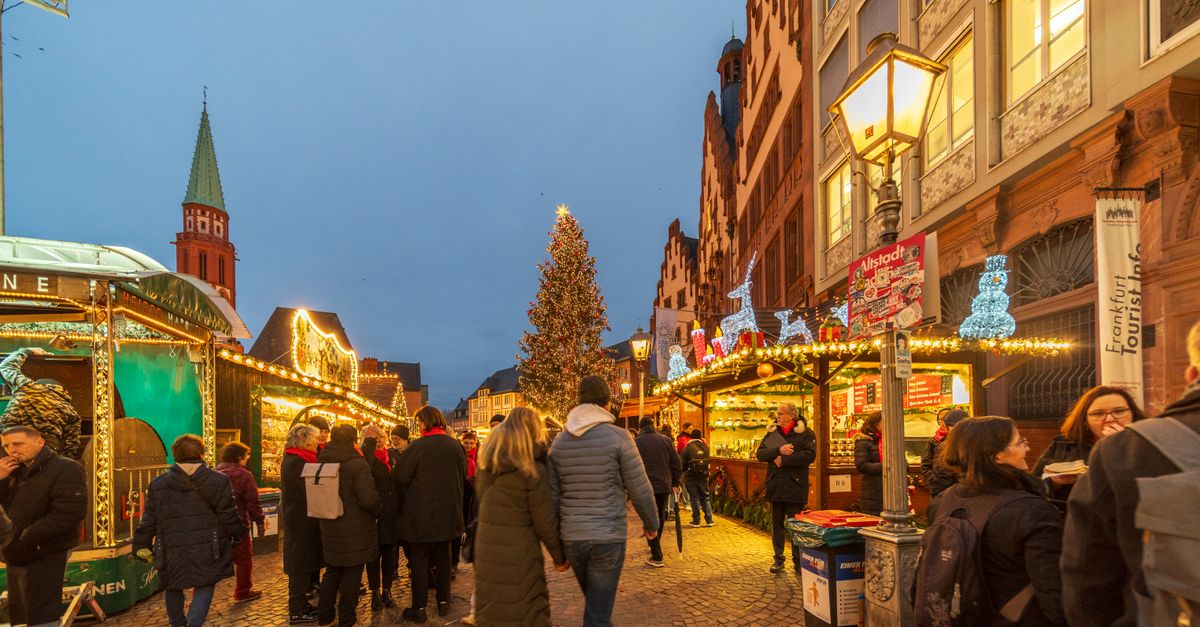
The market trip, from late November to Christmas Eve, which is atmospheric and is not a bargain.
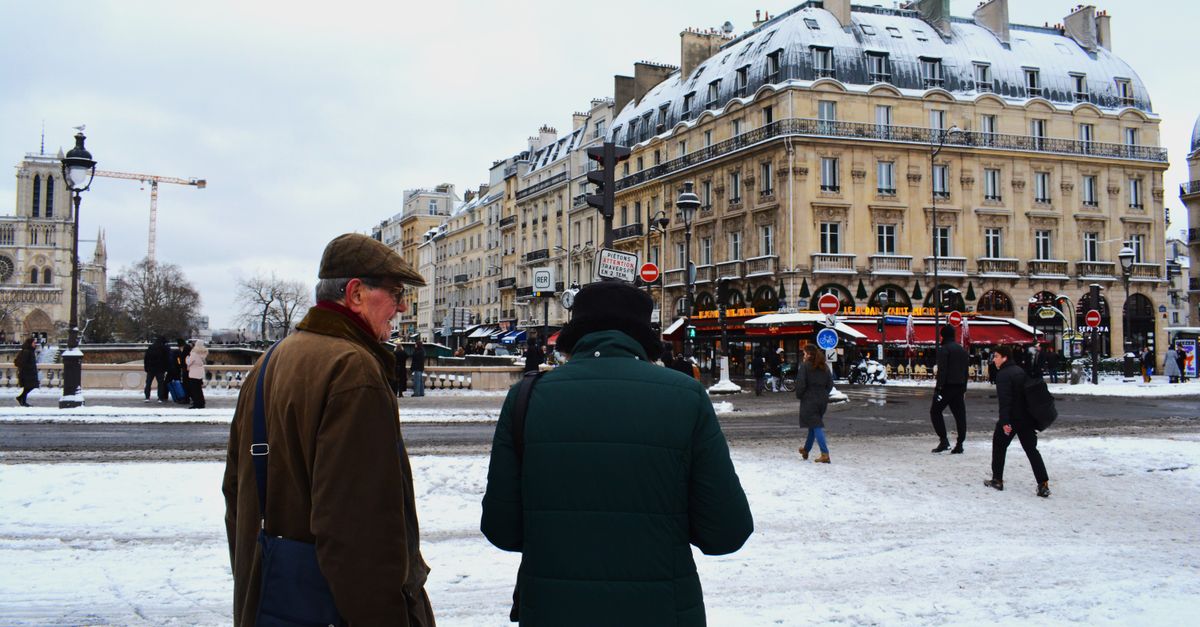
The snow trip, from December to April, which is the most expensive of the three.
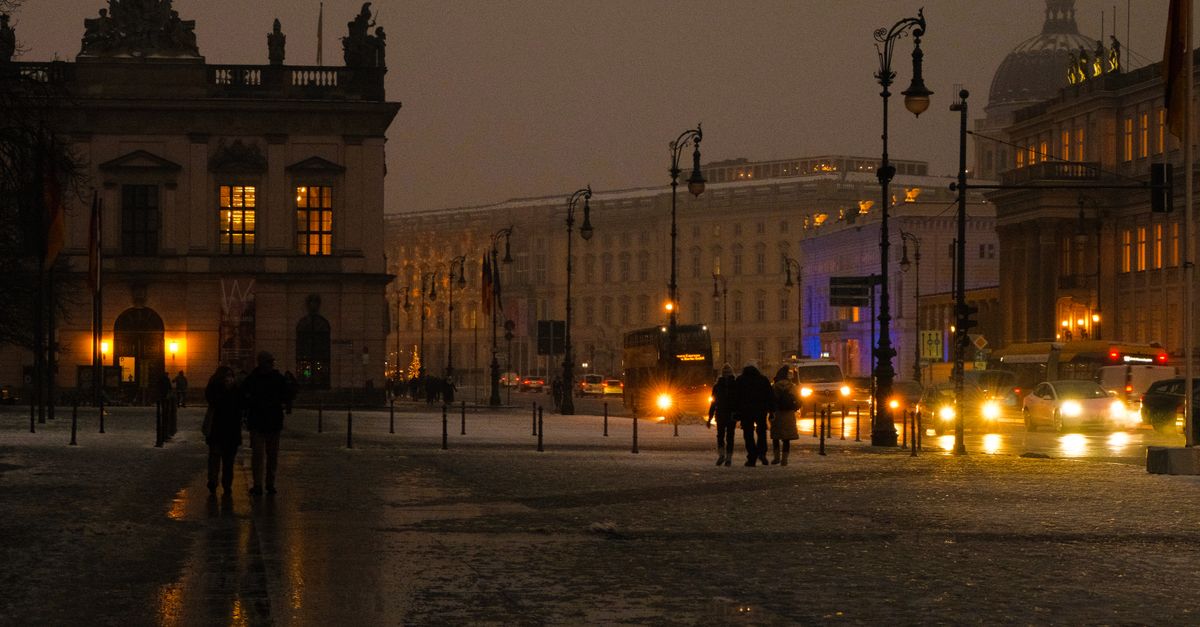
The cheap city trip, January and February, which is the one almost nobody plans and is the best value on the continent.
Everything below is about telling them apart.
Prices below are in each destination's own currency and the converter handles the rest.
The daylight, which decides more than the temperature
This is the thing people plan around least well.
London is dark by about four in December. Stockholm by three. Above the Arctic Circle the sun does not rise at all for weeks, which is the point of going and is a genuine adjustment. Look the sunset time up per city before you build a day around it.
What it does to a day: a plan built on a ten o'clock start loses most of its usable light. Front-load the morning, put the outdoor walking before lunch, and give the afternoon to museums and eating.
And it is why the markets work. They open in the dark and they are better for it.
The three winters
1. The market trip, late November to 24 December
The one with the trap in it. Most German markets close on 24 December, which means the week between Christmas and New Year, when most people have leave, has no German market in it at all.
Vienna runs to 26 December, Budapest to about 1 January, Zagreb to 7 January. Our ranked markets guide has the dates, the prices and the ones we would skip.
The best value week of the whole season is the last week of November, when everything is open and December's room rates have not started.
2. The snow trip, December to April
The Alps, and it is the most expensive winter holiday in Europe by a distance. The Pyrenees, the Dolomites, the Tatras and the Bulgarian resorts are all materially cheaper for a similar week.
January is the reliable snow month and February is the school-holiday peak across most of the continent.
And the Nordics are a different product: Lapland for the aurora, the huskies and the actual dark, which our northern lights guide covers on timing.
3. The cheap city trip, January and February
This is the one worth arguing for.
Flights and rooms are at their annual floor outside the New Year week. Museums that queue for two hours in July are walk-ins. Restaurants that need booking a month ahead have tables. And the cities that are unpleasantly crowded in summer are simply themselves.
Vienna, Prague, Budapest, Krakow, Berlin, Lisbon, Seville, Rome and Naples are all excellent in these months.
The southern cities are the sweet spot: Seville, Lisbon and Naples in February are mild enough to sit outside at lunch and cost a fraction of their April prices. Our cheapest European cities guide has more of them.
Where is actually warm
The Canary Islands. The only genuinely warm European option, subtropical and reliable, with sea temperatures that stay swimmable.
Southern Spain, Sicily, Malta, Cyprus and the Algarve are mild and pleasant for walking and the sea is cold. They are good winter destinations and they are not beach holidays, and booking one expecting the other is the most common winter mistake.
Madeira sits between the two and is the best winter walking in Europe.
The month to genuinely avoid
The first three weeks of November. The summer season has shut, the ski season has not opened, the markets have not started, and it is dark and wet.
Prices are at their floor for a reason. If your dates are fixed and European, push to the last week of November, when the markets open and the whole continent changes character in about four days. Our November guide has the opening dates.
What is closed, which nobody lists
Ferries to the Greek and Croatian islands run reduced winter timetables and some routes stop entirely.
Mountain roads and passes close: the Icelandic highlands from autumn, several Alpine passes, and the Norwegian mountain roads.
Seasonal restaurants and hotels in coastal towns close from about November to Easter, and a picturesque village can be genuinely shut.
Some major sights reduce hours rather than closing, and several museums close one extra day a week in winter.
Check the specific thing you are travelling for, because "the city is open" and "the thing you came for is open" are different claims.
What winter is genuinely better for
Museums, without the queue.
The Christmas markets, which only exist now.
The aurora, which needs the dark.
Thermal baths. Budapest, Baden-Baden and Iceland's pools are all better in the cold, and Budapest's Széchenyi in the snow is one of the best hours in European travel.
Food. Alpine, central European and northern Italian winter cooking is what those cuisines are actually for.
And the prices. Which is the whole argument.
Before you book
The ranked Christmas markets have the dates and the closing trap, and our December and January guides cover the two halves.
What to pack for Europe in winter has the kit, and the short version is that European winter is wet more often than it is cold.
The best time to visit Europe puts winter in the context of the full year, and Europe on a budget has the numbers.
The when to go hub collects the seasonal guides and the January month page rates the catalogue for the cheapest month.
Seasonal closures and daylight figures checked September 2026 against national tourism boards and published sunrise and sunset data. Winter opening hours and ferry timetables are set annually and vary by operator, so confirm the specific thing you are travelling for. Here is how we research and re-check guides.