Europe on a budget, and the four decisions that set it
Where you go matters more than how you travel. The east-west price gap, the tourist taxes nobody quotes, and the rail pass that usually is not worth it.
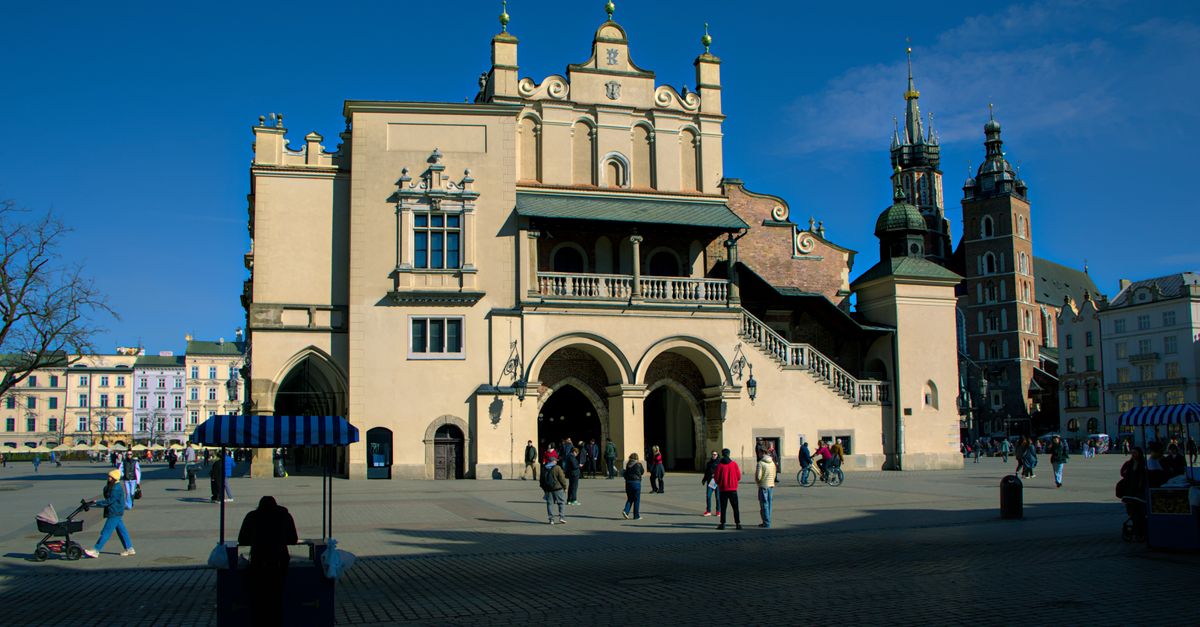
Photo · Ch Jawad · Pexels
Europe's cost is decided by four things, and only one of them is about how you travel.
Where you go. The east-west gap is larger than any other lever available. When you go. The same room in the same city moves by a factor across the year. How often you move. Every city change costs money and a day. What you get charged that was not in the price. The taxes and fees section below.
Get those four right and everything else is detail.
The east-west gap, which is the whole game
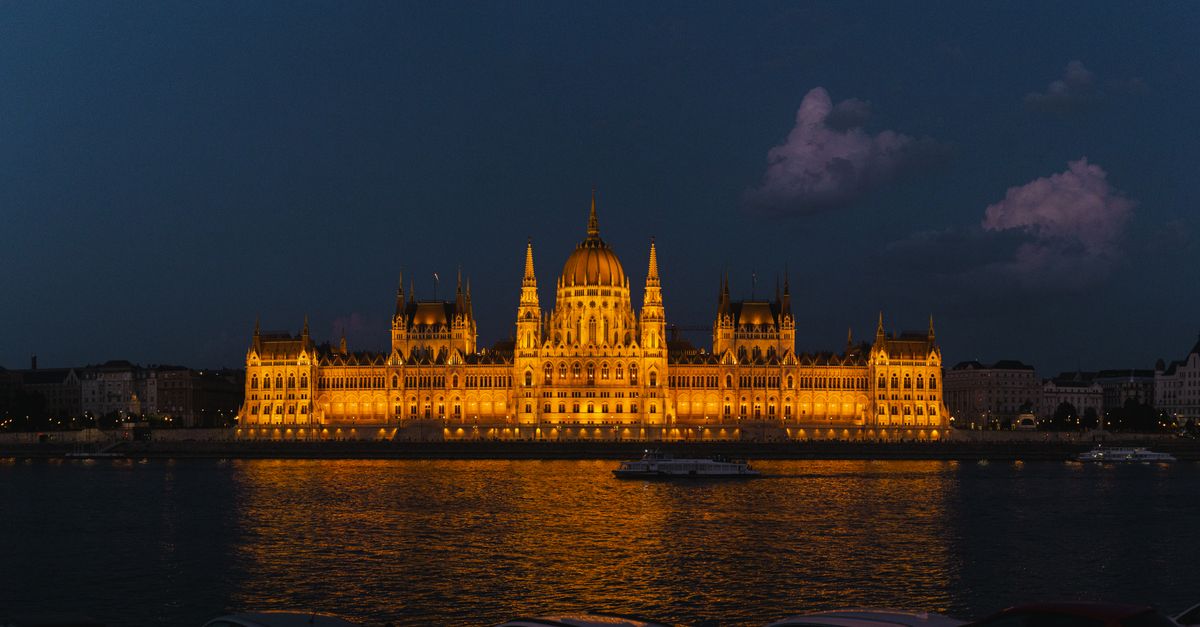
Roughly 45 to 70 euro a day per person in central and eastern Europe, covering a hostel or cheap hotel, food and local transport.
Roughly 90 to 140 a day in the west and north for the same standard of trip.
That is the entire difference between a two-week trip and a four-week one on the same money.
The cheapest countries are Albania, North Macedonia, Bosnia and Serbia, then Bulgaria and Romania, then Poland, Hungary and the Baltics. Our Balkans route is the best-value fortnight in Europe and our Albania guide covers the cheapest country on the continent.
The trap in that list: Croatia and Slovenia are frequently grouped with the Balkans and are not priced like them. Croatia or Greece has the numbers, including the sojourn tax.
The charges that are not in the price you compared
City tourist taxes. Almost every European city charges one per person per night, collected at check-in, and it is very rarely in the rate you compared. Rome runs about 4 to 10 euro per person per night by category, as the city publishes itself; Florence 3.50 to 8; Dubrovnik 2.65 in high season. On a fortnight for two that is 60 to 200 euro nobody budgeted.
Budget airline bag fees. Frequently more than the fare itself. The advertised price is for a person and a small bag under the seat, and everything else is extra, charged at the highest rate at the gate.
Dynamic currency conversion. Every card terminal and ATM will offer to charge you in your own currency. Always decline. The rate is always worse than your bank's, and independent ATMs at stations and borders are the worst offenders.
Seat reservations on fast trains, which a rail pass does not include and which are compulsory on many routes in France, Spain and Italy.
Trains, buses and planes, priced honestly
The rail pass is usually wrong for a first trip. Passes reward long, frequent, flexible journeys. A typical trip has three or four legs, and point-to-point tickets bought a few weeks ahead beat the pass on nearly all of them, particularly in France and Spain where the fast trains price like airlines.
Buses are the genuine budget option and the network across central and eastern Europe is dense, cheap and reliable. A four-hour bus between Baltic capitals costs a fraction of any train in western Europe.
Budget flights are cheap and the airport is not. A 20 euro fare with a 40 euro bag fee, a 15 euro airport transfer at each end and a 5am departure is not a 20 euro flight. Compare door to door, and under about four hours city centre to city centre the train usually wins anyway, which our first trip to Europe guide sets out.
When to go
Cheapest with usable weather: the second half of September and the first half of May. School terms are in session, the season is fully open, and the rates have come off the peak. Our September guide and May guide have the detail.
Cheapest outright: November, excluding the last week when the Christmas markets open, then January and February excluding the New Year.
Most expensive: July and August everywhere, plus the Christmas fortnight. The difference between the last week of August and the second week of September is close to half the price for the same weather, which is the single best-known and least-used trick in European travel.
Where the money actually goes, and where to cut
Accommodation, about 45 per cent. The line with the most give. Hostels with private rooms are routinely cheaper than budget hotels in western cities. Aparthotels beat hotels for two or more. Moving one metro stop out of the centre frequently halves the rate and costs ten minutes.
Food, about 25 per cent. Eat your main meal at lunch, where set menus across Spain, Italy, Portugal and France run at a fraction of the evening price for the same kitchen. Markets and supermarkets for the other two meals.
Transport, about 20 per cent. Reduced mainly by moving less often.
Sights, about 10 per cent. Most European cities have a free museum day or evening, most cathedrals are free to enter, and the walking is the best part of almost all of them.
The single biggest saving: move less
Every city change costs a night's accommodation's worth of transport plus most of a usable day.
Four cities in fourteen nights spends roughly three days moving and buys three sets of transfers. Two cities buys one. The saving is real money and the trip is better, which is the rare case where the cheap option is also the good one.
Three nights minimum per city. Our solo travel in Europe guide makes the same argument for a different reason, and the cheapest cities guide has the places worth the three nights.
What not to cut
Do not cut the location to save 20 euro a night. Two extra transit journeys a day for a week is several hours of your trip, and it costs more than the saving in both money and time.
Do not cut the travel insurance. The one line where the downside is unbounded.
Do not cut the first-day walking tour. It is usually free or nearly free, it orients you, and it prevents the expensive mistakes of the first two days.
Do not book the 6am budget flight unless the transfer at that hour is included in the comparison, because a taxi to the airport at 4am is not cheap.
Before you book
The cheapest European cities has the specific destinations, and the Balkans route is the best-value fortnight on the continent.
First trip to Europe has the border rules and the route arithmetic, and September is the month that does the most for the budget.
The budget hub collects the rest, and prices in our guides are quoted in each destination's own currency with the converter doing the rest.
Cost levels and tourist tax rates checked September 2026 against Eurostat's tourism price statistics and city tourism boards including Rome's. Tourist tax bands are set locally and change annually, so check the specific city before you budget for it. Here is how we research and re-check guides.