What to pack for Europe in winter
European winter is wet more often than it is cold, which changes the whole list. Three layers, the boots that matter, and the coat most people get wrong.
Photo · Noe Garde · Pexels
European winter is wet more often than it is cold, and packing for the wrong one of those is the mistake that makes a trip miserable.
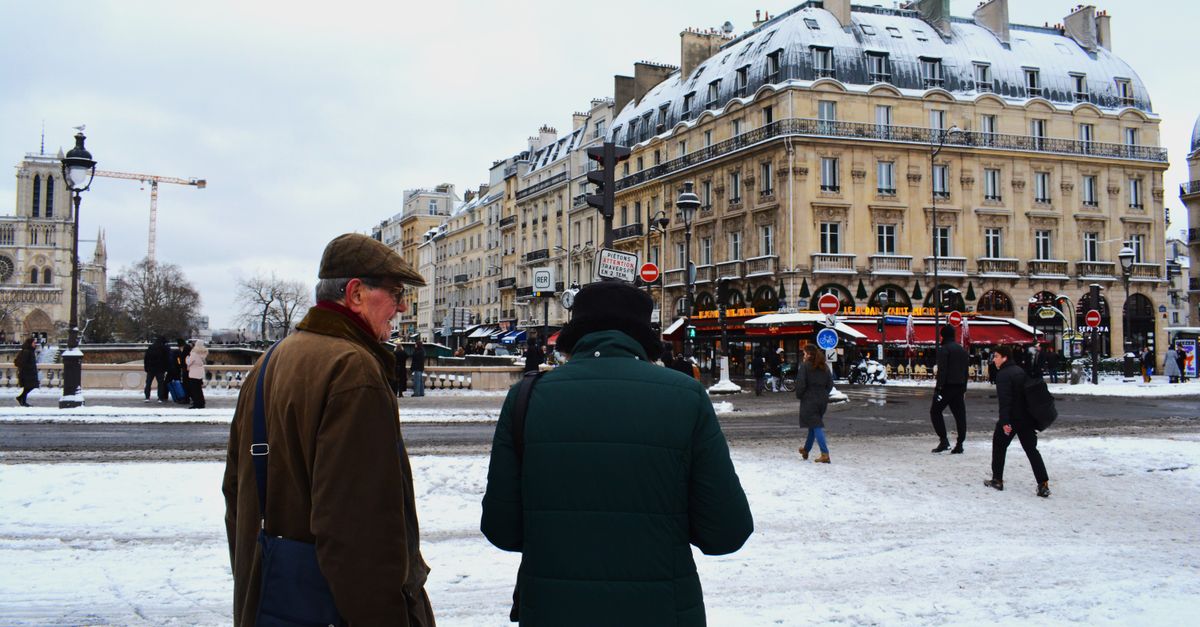
Paris in January is four degrees and raining sideways. Prague in January is minus two and dry. Those two need different clothes, and the coat that handles the second is the wrong answer for the first.
The rule: waterproof outer, warm middle, thin base. Not one thick coat.
The three Europes, because they need different bags
The wet, mild one. London, Paris, Amsterdam, Dublin, Lisbon, Barcelona, Rome. Mostly above freezing, wind, and rain that arrives horizontally. The enemy is water, not temperature.
The cold, dry one. Vienna, Prague, Berlin, Budapest, Krakow, Munich. Often below freezing, frequently sunny, and much more pleasant than the numbers suggest because the air is dry. The enemy is wind chill.
The serious one. The Nordics, the Alps, the Baltic in a cold snap. This is proper winter and it needs proper kit, and everything below scales up. Our northern lights guide covers the far north specifically.
Most trips are the first two, and most packing lists are written for the third.
The layers
Base: merino, two of them. Long-sleeved, thin, worn against the skin. Merino is the whole trick of winter packing: it compresses to nothing, it is warm when damp, and it can be worn several days without becoming unpleasant, which is what makes hand-luggage winter travel possible at all.
Mid: down or synthetic, packable. A light down jacket or gilet that stuffs into its own pocket. This is where the warmth actually comes from and it weighs almost nothing.
Outer: waterproof and windproof. Not "water-resistant". A proper shell with a hood, long enough to cover your hips.
Why this beats one big coat. A wool coat is warm, heavy, useless in rain and takes a day to dry. The three-layer system covers a wider temperature range, packs smaller, and lets you take the middle out on a mild afternoon rather than carrying a coat around a museum.
The exception: if the trip is Lapland or the Alps, the thick coat is correct, and you should be renting rather than buying the specialist end of it.
The shoes, which are the real decision
Waterproof, with grip, already broken in.
The hazard in European cities is not snow, it is wet cobblestones, which are slick in a way that a flat pavement is not, and which appear in exactly the old towns you came to walk around. Grip matters more than insulation in Paris, Rome and Lisbon.
Snow boots are for the Nordics and the Alps and are overkill and uncomfortable everywhere else.
Two pairs maximum, one worn on the plane. Wet shoes need a day to dry and a spare pair is the difference between a wet day and two wet days.
Wool socks, three or four pairs. The single cheapest upgrade to a winter trip.
The small things that matter more in winter
- Gloves, hat, scarf. Thin gloves that work on a phone screen, because you
will be navigating. This trio is a third of your perceived warmth and takes no space.
- Lip balm and hand cream. Cold air and indoor heating together are brutal
and this is the complaint nobody anticipates.
- A compact umbrella, for the wet Europe. Useless in wind, essential in
Lisbon drizzle.
- A power bank. Cold weather flattens phone batteries much faster, and a
phone at twenty per cent in an unfamiliar city at four in the afternoon, when it is already dark, is a real problem.
- Sunglasses. Counterintuitive, and the winter sun sits low and directly in
your eyes for most of the short day.
The daylight problem, which is not a packing problem but changes the trip
Northern Europe is dark early. London is dark by about four in December and Stockholm by three, and sunset times are worth looking up per city before you build a day around them. This is the thing people plan around least well and it matters more than the temperature.
Front-load the day. Outdoor sights and walking in the morning, museums and eating in the afternoon and evening. A plan built around a 2pm start loses most of its daylight.
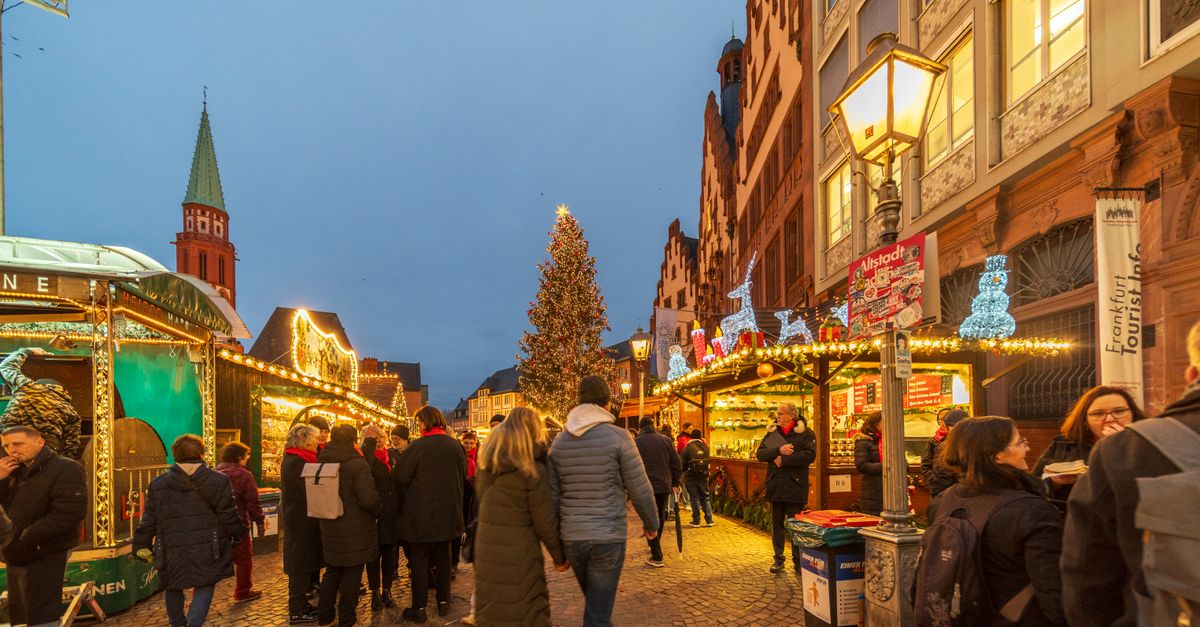
And it is why the markets work. European Christmas markets are evening things, they open in the dark and they are better for it. Our ranked markets guide has the opening dates and the closing trap, which is that most German markets shut on 24 December.
Doing it with hand luggage
Entirely possible, and the method is one sentence: wear the bulk, pack the rest.
The coat and the boots go on your body and never enter the bag. What is left is merino base layers, which compress to nothing, a packable mid-layer, four or five days of clothing and the small things above. That fits.
Our carry-on list has the general version and the current liquid rules, which now depend on which airport you are standing in.
What to leave out
The wool overcoat, unless the trip is a city break with no walking in it. Beautiful, heavy, and helpless in rain.
Thermal leggings for a city trip. You will be indoors and overheating in them within an hour. They belong on a Lapland trip.
A second heavy jumper. The mid-layer already does that job at a quarter of the volume.
Anything white. European winter streets are wet, gritted and grey.
Before you book
December and November cover the two halves of the market season, and our January guide covers the cheapest and emptiest month of the European year.
The packing hub has the other kit lists and the when to go hub will tell you whether the country you picked is worth a winter visit at all.
Prices in our guides are in each destination's own currency and the converter does the rest.
Seasonal conditions checked September 2026 against the UK Met Office's European climate summaries and Copernicus climate monitoring. Winter weather varies enormously year to year across Europe, so treat the three groupings above as a packing rule rather than a forecast. Here is how we research and re-check guides.