The beach holiday packing list
Beach packing fails on sun, sand and the walk from the room. The list that works, the reef-safe rule, and the eight things you can safely leave behind.
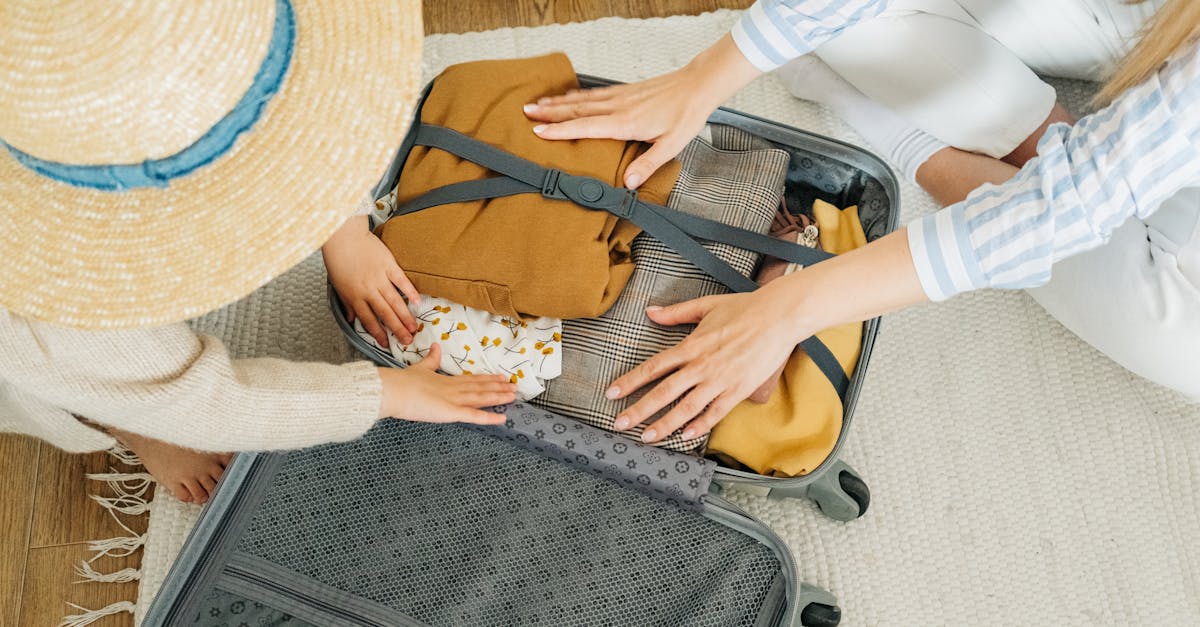
Photo · RDNE Stock project · Pexels
Beach packing fails in three specific ways: the sun, the sand, and the walk from the room to the water.
Everything below is aimed at those, and the list is shorter than most.
The six that matter
1. Two swimming costumes. So one is always dry. This is the single most useful item on the list and it is the one people most often skip. Putting on a wet costume on the second morning is the small misery that defines a bad beach trip.
2. High-factor sunscreen, and more than you think. Proper application is about 30ml per full-body application for an adult, so a week of daily use runs to several hundred millilitres. Buying at the destination is usually easier than carrying it.
3. A brimmed hat. Not a cap, which leaves ears and neck exposed.
4. A light cover-up. A linen shirt or a sarong. It does the work of shade when there is none and takes you from the beach to lunch without changing.
5. Footwear you can actually walk in. Sand is hot, promenades are hot, and the walk from the room is longer than it looked in the photographs.
6. A dry bag. The most forgotten item on any beach list. It solves boats, sudden rain, and keeping a phone and a passport safe while you swim, and it costs very little.
The sun, done properly
The rule that works: shade between eleven and three, whatever the sunscreen says.
Reapply after swimming, every time, including with water-resistant formulations.
Rash vests for children, which are far more reliable than reapplying sunscreen to a child every ninety minutes, and are normal beachwear in Australia and New Zealand for exactly that reason. Our family packing list has the rest.
And the reef-safe question. Sunscreen without oxybenzone and octinoxate is restricted or required in several destinations, including Hawaii, Palau, Bonaire and parts of Mexico. Several jurisdictions publish their own restrictions, and it is worth checking your destination rather than discovering it at a reef entrance.
The list
Clothes
- 2 swimming costumes
- 1 light cover-up or sarong
- 3 to 4 light tops
- 2 pairs of shorts, 1 of light trousers
- 1 outfit for an evening out
- 1 light layer for air conditioning and the flight
Feet
- Flip-flops or sliders for the beach
- Something you can walk a kilometre in
- Reef shoes if there is coral or rock, and there usually is
Practical
- Sunscreen, high factor, reef-safe if relevant
- After-sun
- A brimmed hat and sunglasses
- Insect repellent
- A dry bag
- A refillable water bottle
- Snorkel and mask if you will use it more than twice, because hire adds up and
a mask that fits your face is worth owning
The eight you can leave behind
A beach towel. Most hotels and many rentals provide them, and a towel takes up a third of a case. Check first, and a quick-dry travel towel is the compromise.
Too many outfits. You will wear the same three things. Everyone does.
Hair straighteners, in humidity.
A full first aid kit. Pharmacies exist almost everywhere you would go, and the exceptions are genuinely remote destinations.
Bulky beach toys, which are cheaper bought locally and thrown away or left behind.
A big camera, unless photography is the point. Sand and salt are unkind.
Books in hardback.
And most of the toiletries, which are heavy, liquid and available everywhere.
The things that are worth their weight
A power bank, because a day out is long and a phone is the map, the camera and the ticket.
A universal adapter.
A collapsible bag for the beach day, which packs to nothing.
Ziplock bags, which are the cheapest solution to sand, wet costumes and a leaking bottle of something.
And a spare pair of sunglasses, because the first pair goes in the sea.
For a boat day specifically
This is where the dry bag earns its place, along with:
Motion sickness tablets, taken before rather than during.
A light long-sleeved layer, because a boat is windier and sunnier than a beach.
And shoes you can get wet, for a wet landing.
The one honest note about all-inclusive
If you are going all-inclusive, the packing list barely changes and the questions do. Our all-inclusive guide has the seven things to check before booking, and the transfer time is the one that matters most.
Before you book
Europe summer packing covers a Mediterranean trip that is not only a beach one, and the family packing list has the version with children.
Winter sun destinations has the where, for both hemispheres, and cheap family holidays has the arithmetic.
The packing hub collects the rest, and prices in our guides are in each destination's own currency with the converter doing the rest.
Sunscreen restrictions and sun-safety guidance checked September 2026 against Hawaii's Department of Land and Natural Resources and SunSmart New Zealand. Reef-safe requirements differ by destination and several are enforced at entry to protected areas, so check the specific place. Here is how we research and re-check guides.