Where to stay in Mexico City
Roma and Condesa are the default answer and there is a real argument against them. Six areas, what the altitude does to day one, and where not to book.
Photo · Israyosoy S. · Pexels
First visit: Roma Norte or Condesa. Walkable, tree-lined, the best concentration of food in the city, and twenty minutes from most of what you came for.
Quieter and cheaper: Juárez. History on the doorstep: Centro Histórico, with a caveat. High end: Polanco, though we would rather eat there than sleep there.
Mexican peso. Convert any figure on this page into your own currency at today's published rate.
Open the currency converter →The altitude, before anything else
Mexico City sits above 2,200 metres. That is high enough that most people notice it on day one: stairs are harder than they should be, a dull headache is common, and alcohol has a noticeably stronger effect.
So plan a slow first afternoon. Walk one neighbourhood, eat, sleep. The city is not going anywhere and a first day spent at altitude on a museum march is how people lose the second one. Our three-day route is paced around this.
How the city fits together
Mexico City is enormous and the parts a visitor wants sit in a band running west from the historic centre.
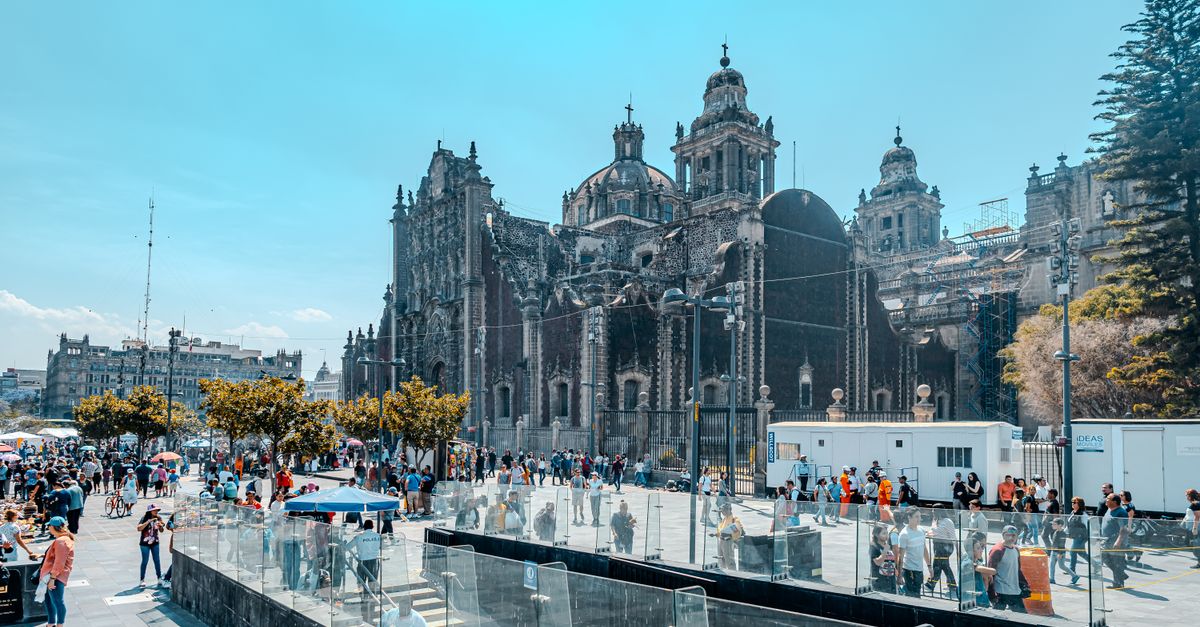
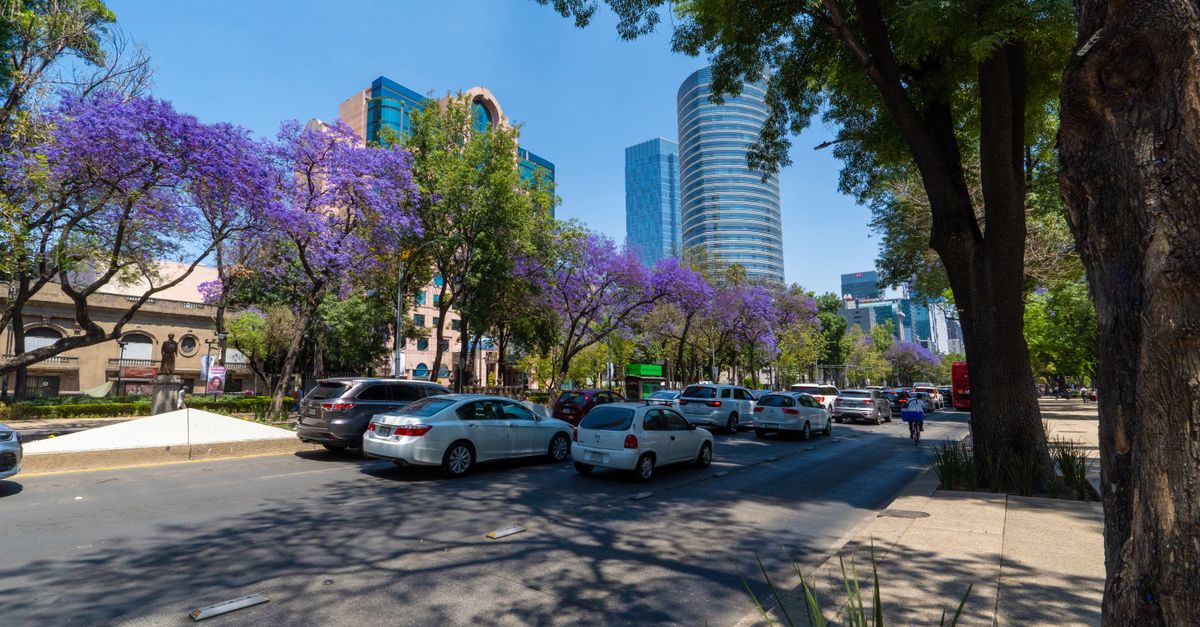
Centro Histórico at the east end: the Zócalo, the cathedral, the Templo Mayor, Bellas Artes. Juárez, Roma Norte and Condesa in the middle: early twentieth-century apartment blocks, jacaranda trees, the food. Chapultepec park and Polanco at the west end: the Anthropology Museum, the castle, the expensive restaurants. Coyoacán and San Ángel, south: colonial villages swallowed by the city, and Frida Kahlo's house.
The Metro is cheap, extensive and crowded, and it is genuinely useful for long hops. The operator publishes the network map and the fare, which is a flat one per journey regardless of distance. App cars are cheap and are how most visitors move. The distances are the thing to respect: Coyoacán to Polanco can be an hour in traffic.
The six areas
1. Roma Norte, for a first visit
Who it suits: almost everyone on a first trip.
What it costs: the middle of the market, with a lot of good boutique hotels.
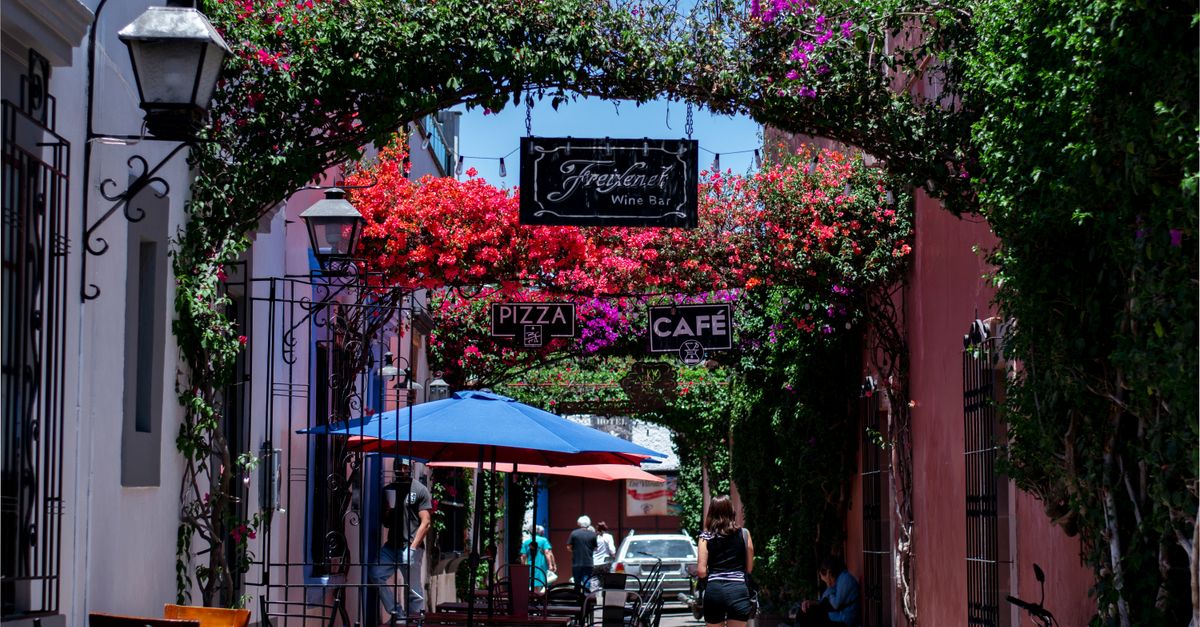
Why it works: wide tree-lined streets, Álvaro Obregón to walk down, the Mercado Roma, the best density of restaurants and coffee in the city, and a twenty-minute ride to the Zócalo or Chapultepec.
The catch, and it deserves naming: Roma and Condesa have gentrified sharply, and the arrival of large numbers of remote workers has become a genuine local grievance about rents. It is worth knowing you are part of a live local argument rather than in a neutral neighbourhood.
2. Condesa, for the parks
Who it suits: the same people as Roma Norte, plus anyone with a dog or a running habit.
What it costs: similar to Roma, sometimes a little more.
Why it works: Parque México and Parque España are the two best small parks in the city, the art deco architecture around Amsterdam is worth the walk on its own, and the eating is nearly as good as Roma's.
The catch: quieter than Roma at night, and the same gentrification point applies.
3. Juárez, for the value
Who it suits: anyone who wants Roma's convenience with fewer visitors in it.
What it costs: slightly below Roma and Condesa.
Why it works: it sits between Reforma and Roma, so it is walkable to both, and it has the Zona Rosa on one side for the nightlife and quiet residential streets on the other.
The catch: less charming than Roma, and parts of the Zona Rosa are loud at the weekend.
4. Centro Histórico, for the history
Who it suits: anyone whose trip is about the Zócalo, the murals and the colonial city.
What it costs: the widest range in the city, with genuinely cheap rooms in beautiful old buildings.
Why it works: you walk out into it. The Templo Mayor, the cathedral, the Diego Rivera murals at the Palacio Nacional, Bellas Artes and the Torre Latinoamericana are all within fifteen minutes.
The catch, and it is a real one: the Centro is a working commercial district and it empties in the evening. It is busy and lively until about eight and noticeably quiet after. It is fine, and it is not where the night is.
5. Polanco, for the high end
Who it suits: anyone who wants a large international hotel, and anyone travelling for business.
What it costs: the top of the market.
Why it works: Chapultepec park and the Anthropology Museum are walkable, and the restaurant scene is the best in the country.
The catch: it is a wealthy residential and shopping district and it has almost no street life. Our honest call: eat in Polanco, sleep in Roma.
6. Coyoacán, for a longer stay
Who it suits: anyone staying two weeks, anyone travelling with children, anyone who would rather be in a village.
What it costs: below the central areas.
Why it works: cobbled streets, a proper market, the Frida Kahlo house, and a genuine neighbourhood life that the central districts have partly lost.
The catch: it is forty minutes south of the centre, which is a lot on a short trip.
Where not to stay
Not near the airport. It is close to the city by the standards of large capitals, about thirty to forty minutes to Roma outside peak, so an airport hotel only makes sense for a genuinely early flight.
Not in Santa Fe. It is the modern business district, it is a long way west, and it is built for cars.
Not on a first visit in Doctores or the streets immediately south of the Centro. They are ordinary working neighbourhoods and they are noticeably rougher at night than anywhere above, and a listing there will describe itself as central. Our safety guide answers this properly by neighbourhood and by hour rather than shrugging at the whole city.
What it costs, and the tax
Prices in pesos. Mexico City charges a lodging tax on top of the room rate and it is usually shown separately at the desk rather than in the compared price, along with the national sales tax.
Ask for the all-in nightly figure when you book, which most properties will give you plainly. It is the same habit we recommend for Dubai and for the same reason.
Checked 21 Aug 2026.
Everything we check for Mexico →Visa-free · 180 days, on all five passports we check.
Short tourist stays only. Checked 21 Aug 2026; rules change without notice and the government page is the source of truth.
Check your own passport →Before you book
The three-day route is the itinerary these areas serve, and our safety guide answers the question most people are actually asking.
The Mexican calendar decides the month, and our Thanksgiving guide explains why late November is one of the best weeks of the year to be here.
The where to stay hub collects the rest and the Mexico country page has the practical layer.
Neighbourhood and transport detail checked September 2026 against Mexico City's official tourism site and Visit Mexico. Lodging tax rates are set at state level and change, so confirm the all-in rate with the property. Here is how we research and re-check guides.