Where to stay in Ho Chi Minh City
The metro opened in December 2024 and it changes where it makes sense to sleep. Five areas, what each costs you in traffic, and the strip to avoid.
Photo · Luan Nguyen Luca · Pexels
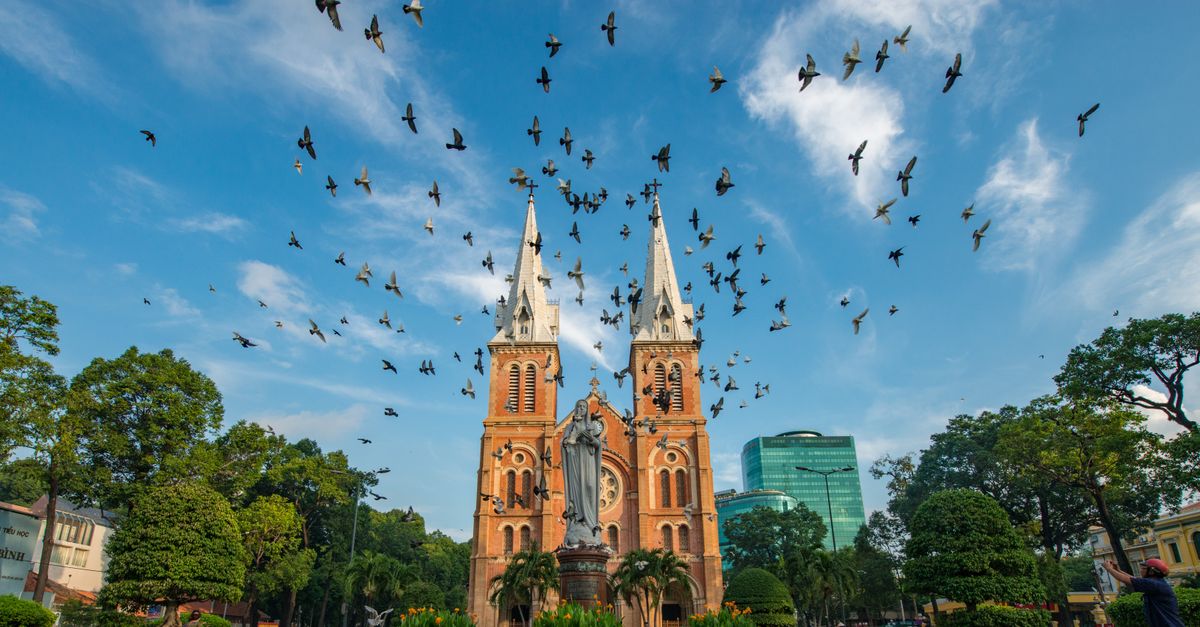
First visit: District 1, around Dong Khoi and Nguyen Hue. Walking distance to the market, the museums, the river and the best eating, and now the terminus of a metro line the city did not have three years ago.
Second visit or a longer stay: District 3, ten minutes away and better value. Long stay: Thao Dien. Late nights: Pham Ngu Lao, and read the warning below first.
Vietnamese dong. Convert any figure on this page into your own currency at today's published rate.
Open the currency converter →The thing that changed in December 2024
Ho Chi Minh City has a metro. Line 1 opened on 22 December 2024, running 19.7km from Ben Thanh out to Suoi Tien with 14 stations, three underground and eleven elevated. It opened after more than a decade of delays.
Why it matters for this decision specifically: it connects District 1 to Thao Dien and the east. Before it, staying across the river meant a taxi through traffic that could take fifteen minutes or fifty and you could not tell which until you were in it. Now there is a fixed number.
It is one line. It does not yet reach the airport, and it does not help you move around District 1, which you will do on foot.
The five areas
1. District 1, Dong Khoi and Nguyen Hue, for a first visit
Who it suits: first-timers, short trips, anyone who wants to walk to things.
What it costs: the city's top end, and still inexpensive by regional standards.
Why it works: the Reunification Palace, the War Remnants Museum, the Central Post Office, the Opera House and Ben Thanh market are all inside a twenty-minute walk. Nguyen Hue is a pedestrian boulevard, the riverfront is walkable in the evening, and the rooftop bars that the city is known for are here.
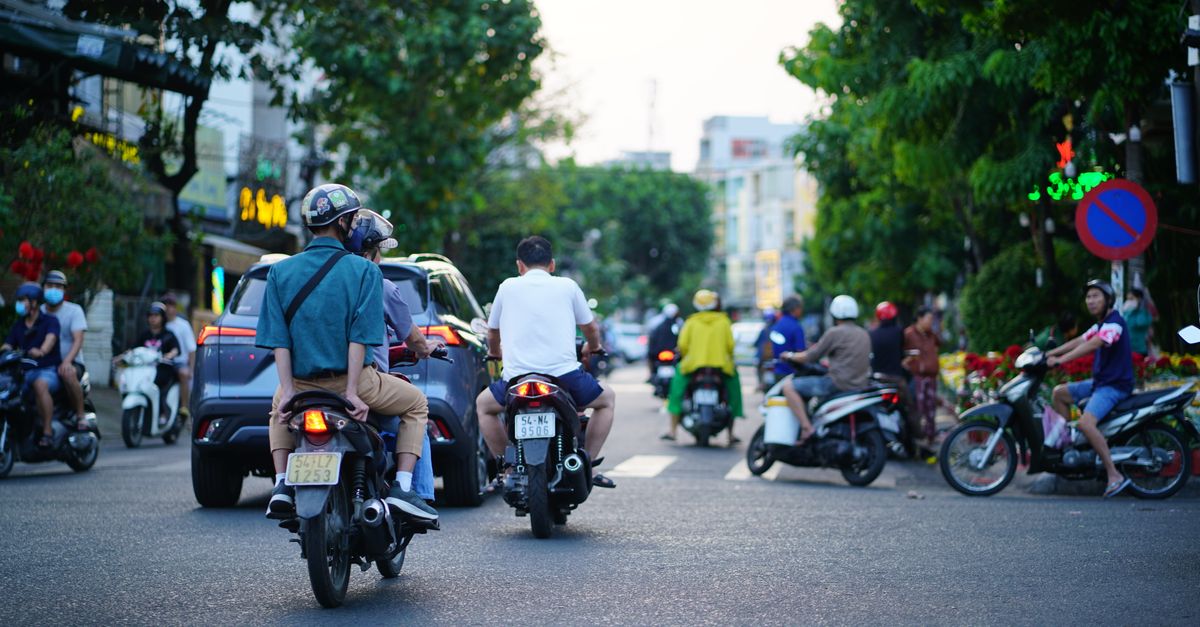
The catch: it is a business district as well as a tourist one, so the weekday traffic on the through-roads is heavy and the pavements get parked on.
2. District 3, for the second visit and better food
Who it suits: returning visitors, anyone staying a week, anyone who would rather eat where people live.
What it costs: meaningfully below District 1 for the same standard.
Why it works: it is ten minutes from District 1 and it is a neighbourhood rather than a centre. Tree-lined streets, the Turtle Lake roundabout in the evening, and the everyday food is better and cheaper than anything on Dong Khoi.
The catch: fewer sights, and you walk or ride in for them.
3. Thao Dien, for a long stay, and now for a short one
Who it suits: remote workers, families, anyone staying a month.
What it costs: apartments are good value monthly; hotels are mid-range.
Why it works: low-rise, green, on the river, with the international restaurants and coworking spaces. And, since December 2024, on the metro, which removes the single biggest objection to it.
The catch: it is still a suburb and it is not Vietnam in any strong sense. Two weeks here is a comfortable stay in an international neighbourhood.
4. Phu Nhuan and Binh Thanh, for value with a pulse
Who it suits: anyone who wants District 3 prices with more going on, and does not mind a ten-minute ride to the sights.
What it costs: below District 3.
Why it works: these are working districts with a genuine street-food scene, a lot of new cafes, and none of the tourist pricing.
The catch: almost no English outside the newer places, and the walk to anything on a visitor's list is a ride instead.
5. Pham Ngu Lao and Bui Vien, for the late night only
Who it suits: people who want to be out at two in the morning, and nobody else.
What it costs: the cheapest beds in the centre.
The catch, and it is severe: Bui Vien is a walking street with competing sound systems, not street life, and it runs very late and very loud. The rest of District 1 is a ten-minute walk away and is a different city at night.
If you want the cheap bed without the noise, stay three or four streets north of Bui Vien, around Co Giang, which is the same price and quiet.
Where not to stay
Not near Tan Son Nhat airport. It is unusually close to the city, about twenty to forty minutes depending on the hour, so there is no case for an airport hotel unless the flight is before six.
Not in District 7 and Phu My Hung for a short trip. It is a well-built planned district and it is a long way south, and it is somewhere people live rather than visit.
And check what "District 1" means in a listing. The district is large. A hotel at the far western end near Cong Hoa is technically in it and is nowhere near anything. Check the pin against Ben Thanh market.
Getting in from the airport
Tan Son Nhat is 20 to 40 minutes from District 1, and the range is entirely about the hour.
Grab is the answer. Use the app pickup point rather than the touts inside.
Bus 109 and bus 152 both run into District 1 for a few tens of thousands of dong and are the genuine budget option.
The metro does not reach the airport, which surprises people who have read that the city now has one.
Checked 21 Aug 2026.
Everything we check for Vietnam →Hanoi or Saigon, in one paragraph
They are genuinely different cities and most people prefer one strongly. Hanoi is older, denser, colder in winter, harder to read and better looking. Ho Chi Minh City is flatter, hotter, richer, faster and easier to be a visitor in. Our Hanoi areas guide covers the other end, and the two-week route puts them in sequence, which is the right way round to decide.
Short tourist stays only. Checked 21 Aug 2026; rules change without notice and the government page is the source of truth.
Check your own passport →Before you book
Two days in Ho Chi Minh City is the itinerary these areas serve, and the Vietnamese calendar has the southern seasons, which run a simple wet and dry rather than the north's four.
Vietnam on a budget has the daily numbers and Vietnam or Thailand is the regional comparison.
The where to stay hub collects the rest and the Vietnam country page has the practical layer.
Metro opening and route detail checked September 2026 against CNN's reporting on the Line 1 opening and Vietnam's national tourism administration. District boundaries were reorganised when Thu Duc city was formed, so older guides and newer listings sometimes describe the same place differently. Here is how we research and re-check guides.