Vietnam on a budget, and the one line that ruins it
Vietnam is the cheapest good country in Southeast Asia until the internal flights. Three daily budgets in dong, and how to shape a route that avoids them.
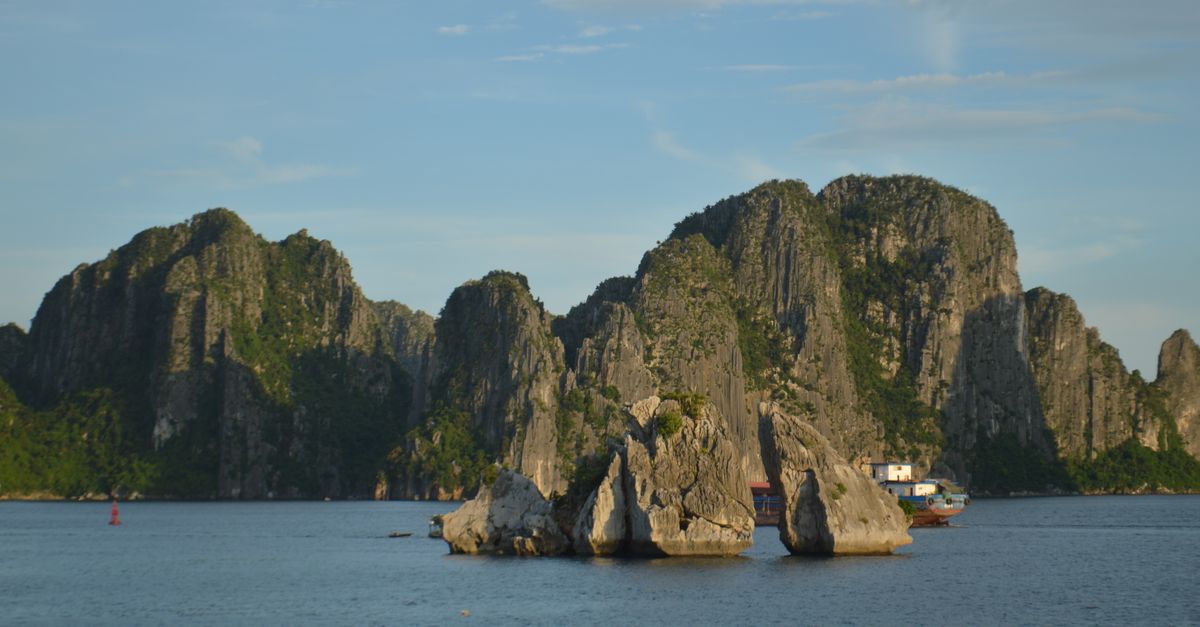
Photo · Tom Huynh · Pexels
Vietnam is the cheapest good country in Southeast Asia on the ground and the budget is decided by something else entirely: how much of it you try to cover.
The country is 1,650km long with three climates that rarely agree, so a full-country itinerary needs two or three internal flights, and those cost more than several days of everything else put together.
Shorten the route and the trip gets cheaper twice, on the flights and on the days you were going to spend in an airport.
Vietnamese dong. Convert any figure on this page into your own currency at today's published rate.
Open the currency converter →The day, three ways
| Tight | Comfortable | Relaxed | |
|---|---|---|---|
| Bed | 150,000, hostel or basic guesthouse | 400,000, good mid-range room | 1,200,000 |
| Breakfast | 40,000, pho or banh mi | 60,000 | 150,000 |
| Lunch | 50,000 | 100,000 | 250,000 |
| Dinner | 80,000 | 200,000 | 500,000 |
| Local transport | 40,000 | 80,000 | 200,000 |
| Incidentals and entries | 60,000 | 150,000 | 400,000 |
| Day total | 420,000 | 990,000 | 2,700,000 |
Internal transport sits on top of that, and it is the line that decides everything.
What food costs, which is the good news
- A street bowl of pho: 40,000 to 60,000 dong.
- Banh mi: 20,000 to 40,000.
- Bia hoi, the fresh draught beer on plastic stools: a few thousand a glass,
which makes it among the cheapest beer in the world.
- A sit-down meal at a good local restaurant: 150,000 to 250,000.
Eating extremely well is close to the cheapest thing you can do in Vietnam, which is the whole argument for the country and the reason Vietnam or Thailand gives Vietnam the food round outright.
The route decision, which is the budget
A full-country trip from Hanoi to Ho Chi Minh City with the centre in between needs two or three internal flights. That is the expensive version.
Half the country done properly is a much better trip and a much cheaper one. Two shapes work:
The north. Hanoi, Ha Long or Cat Ba, Ninh Binh, and Sapa or Ha Giang. All reachable by road and rail, no flights, and it is the best region in the country in October and November.
The south and centre. Ho Chi Minh City, the Mekong Delta, and up to Hoi An and Hue, with one flight or a sleeper train.
The sleeper train is genuinely useful here. Hanoi to Hue or Da Nang saves a night's accommodation and covers a leg you would otherwise fly, and the railway publishes its fares and berth classes. The full Hanoi to Ho Chi Minh City run is over thirty hours and is a choice about the journey rather than a saving.
The two-week route has the sequencing and the Vietnamese calendar has the three regional seasons, which decide the shape more than the money does.
The four costs that catch people
1. The internal flights. Covered above and it is by far the largest.
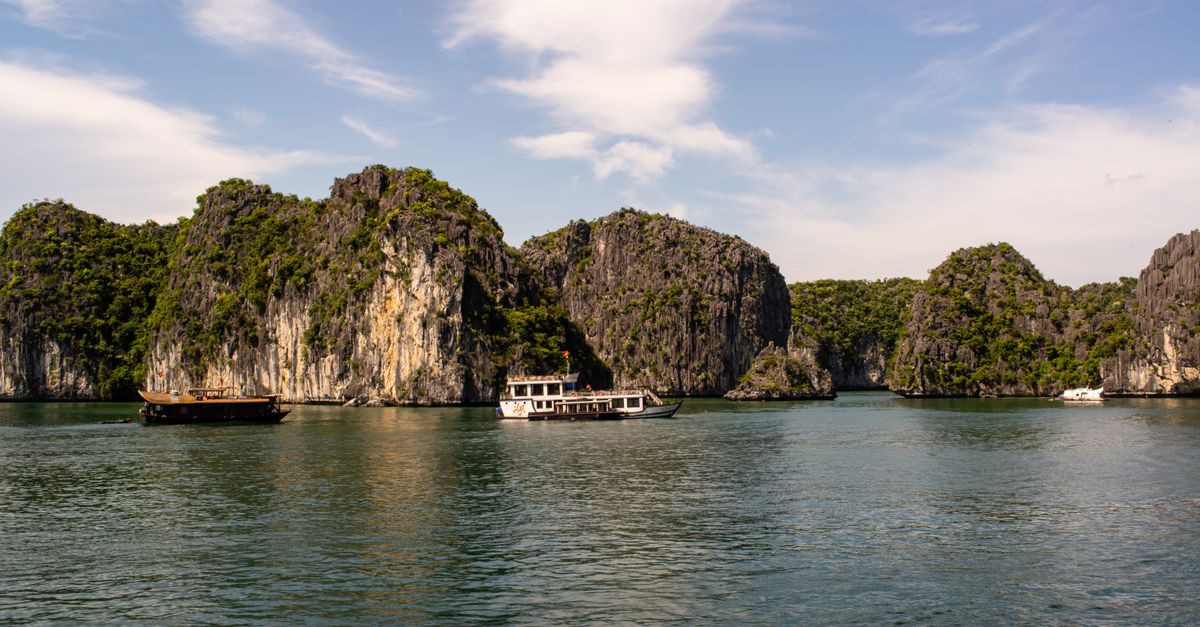
2. Ha Long Bay cruises. The overnight boat is the single biggest discrete purchase most Vietnam trips make, and the price range is enormous for a similar-looking product. The cheapest boats are cheap for reasons that become apparent on the boat. Cat Ba island as a base is the budget alternative and it is a legitimate one.
3. The tailor in Hoi An. Not a scam and not cheap once you are three garments in. Decide the number before you walk in.
4. ATM fees. A fixed foreign-card charge per withdrawal. Take out larger amounts less often, and decline every offer to be charged in your own currency.
Where the money goes
Accommodation, about 40 per cent, and Vietnam's mid-range is exceptional value: a genuinely good room with a breakfast is a fraction of the Thai equivalent.
Internal transport, about 25 per cent on a full-country trip and close to nothing on a single-region one.
Food, about 20 per cent, and it is very hard to overspend here.
Everything else, about 15 per cent.
The saving that matters is the second one. Cutting the route in half cuts roughly a quarter of the total budget and adds days to the trip.
When to go for the budget
There is no single cheap month, because the three regions run different seasons and each is cheapest when it is out of season.
The north is cheapest in the summer heat and best in October and November. The centre is cheapest in the autumn typhoon season, which is also when Hoi An floods, so that saving is not one to take. The south is cheapest in the summer wet season, which is genuinely workable because the rain is short and predictable.
The one to avoid at any price is Tet, the lunar new year, when the whole country travels, much of it closes, and prices rise. The date moves each year.
What not to cut
Do not take the cheapest Ha Long boat. The gap between the bottom and the middle of that market is the largest quality gap in Vietnamese travel.
Do not cut the travel insurance, and read the motorbike clause, because Vietnam's roads are the genuine risk on this trip and most policies exclude riding without the right licence.
Do not cut the sleeper train berth class to the cheapest. The difference is small and it is the difference between arriving rested and arriving unable to do anything with the day you saved.
Do cut the itinerary. It is the only cut that makes the trip better as well as cheaper.
Checked 21 Aug 2026.
Everything we check for Vietnam →Short tourist stays only. Checked 21 Aug 2026; rules change without notice and the government page is the source of truth.
Check your own passport →Before you book
The two-week route is the shape, and the Vietnamese calendar explains why the sequencing matters more here than in almost any country in Asia.
Vietnam or Thailand is the comparison, and Thailand on a budget has the other side of it.
The budget hub collects the rest and the Vietnam country page has the tools.
Prices and transport options checked September 2026 against Vietnam's national tourism administration and Vietnam Railways' published fares. Everyday prices move with the exchange rate and domestic air fares vary widely by season, so price your own legs before committing to a full-country route. Here is how we research and re-check guides.