Where to stay in Berlin, the city with no centre
Berlin has no single centre because of where the Wall ran, so you pick a neighbourhood instead. The five that work, and the 7.5% tax with no cap on nights.
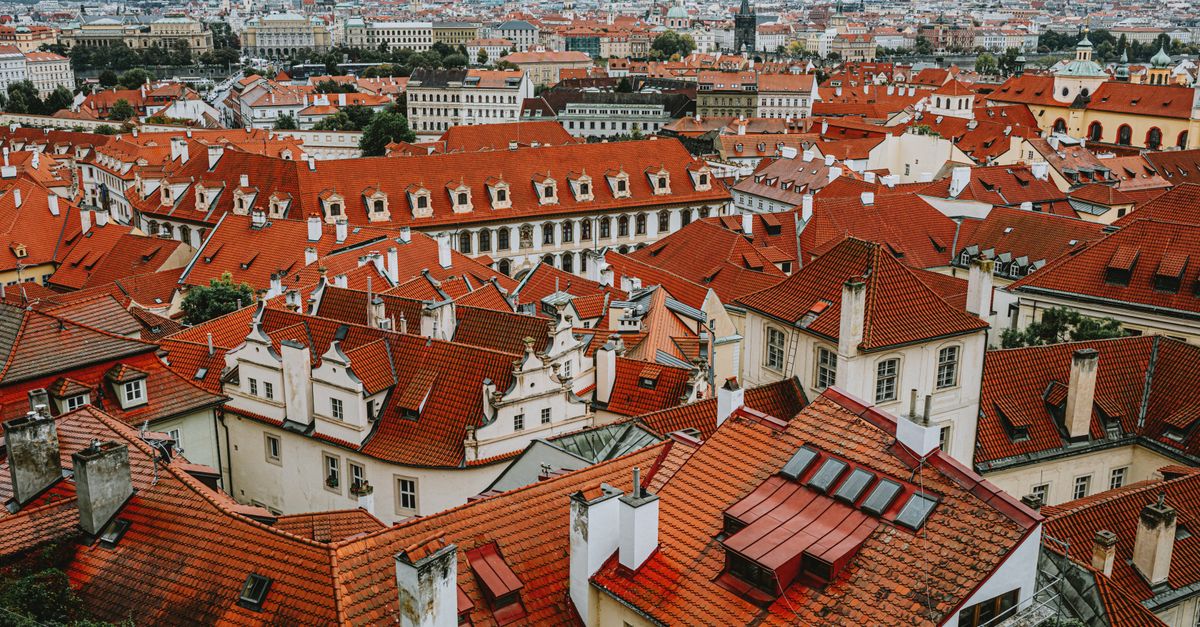
Photo · Max Kladitin · Pexels
Berlin does not have a centre, and unlike London it did not fail to develop one by accident. The Wall ran through where a centre would have been, and for twenty-eight years the city grew two of everything: two zoos, two opera houses, two main shopping streets.
So "somewhere central" is not a useful instruction here. **You pick a neighbourhood, a Kiez, and you commit to it**, because Berlin is enormous and the districts are genuinely different from each other.
Euro. Convert any figure on this page into your own currency at today's published rate.
Open the currency converter →The tax, and the thing that makes it unusual
Berlin charges 7.5% of the net accommodation price.
The rate itself is middling: Amsterdam takes 12.5%, Vienna 5% and climbing to 8%, Budapest 4%, Prague a flat 50 CZK, and London and Madrid nothing.
What makes Berlin's different is that there is no cap on the number of nights. Almost every other European city stops charging after five or seven: Rome caps at ten, Lisbon and Porto at seven, Barcelona at seven.
Berlin does not. A fortnight pays the full 7.5% on all fourteen nights, which makes it one of the more expensive levies in Europe for a long stay and one of the cheaper ones for a weekend. If you are coming for two weeks, put it in the budget properly.
The districts
Mitte, and this is the first-visit answer
The only district where the famous things cluster: Brandenburg Gate, the Reichstag, Museum Island, Unter den Linden, the Holocaust Memorial and the Tiergarten are all walkable from a Mitte base.
It is also the most visited and, in parts, the least characterful: the stretch around Potsdamer Platz and Friedrichstrasse is corporate in a way the rest of Berlin emphatically is not.
What it costs: roughly €80 to €450 a night, which is the widest band of any district here. Best for: two to four nights, first visit, sights-first trip.
Prenzlauer Berg, for families and second visits
North-east of Mitte, and the most straightforwardly pleasant place to be in Berlin: cobbled streets, restored nineteenth-century apartment blocks, tree-lined squares, the Mauerpark flea market on a Sunday, and cafés that are full of people with prams.
What it costs: about €90 to €170 a night. Best for: families, longer stays, anyone who wants to sleep. The catch: it is the most gentrified district in the city and it knows it.
Kreuzberg, for food and nightlife
Berlin's most multicultural district and the one most people mean when they talk about Berlin. Turkish food, Späti culture, canal-side drinking in the summer, bars that do not fill until midnight, and the Sunday market on Maybachufer.
What it costs: about €70 to €150 a night, which is the best value-to-interest ratio on this page. The catch: it is loud in the eastern half and around Kottbusser Tor.
Friedrichshain, for budget and clubs
Across the Oberbaumbrücke from Kreuzberg, with the East Side Gallery, the longest surviving stretch of the Wall, along the river, and Berlin's club scene concentrated around it.
What it costs: dorms from about €24, hotels from about €65, which is the cheapest entry point of any central district. The catch: it is a going-out district and it sounds like one at three in the morning.
Charlottenburg, for the western half
The old West Berlin centre: Kurfürstendamm, grand boulevards, the Charlottenburg Palace, department stores and a quieter, more bourgeois version of the city.
Best for: anyone who wants space and calm, and anyone visiting for the opera or the western museums. The catch: you are a real distance from where most people spend their evenings, and Berlin's distances are large.
The budget option worth knowing: independent guesthouses in Prenzlauer Berg, Friedrichshain and Kreuzberg offer proper rooms of 30 to 80 square metres with private bathrooms at €50 to €90 a night, which is a category that barely exists in most European capitals.
Where not to stay
Around Alexanderplatz. Well connected, and a windy concrete plaza surrounded by chain shops. Mitte proper is fifteen minutes away and is a different experience.
Anywhere in the outer ring on a short trip. Berlin is nine times the area of Paris. The S-Bahn is excellent and forty minutes each way is still forty minutes each way.
Directly on Simon-Dach-Strasse or Oranienburger Strasse unless you are the noise.
A long stay without checking the tax. Said again because the missing night cap is the one genuinely unusual thing about Berlin's costs.
Getting around
Berlin's network is one system: U-Bahn, S-Bahn, trams and buses on a single ticket, with the city divided into zones A, B and C. Almost everything a visitor does is in AB; C is Potsdam and the airport.
Buy the AB day ticket unless you are going to Potsdam or flying, in which case buy ABC. The commonest mistake is an AB ticket on the way to the airport.
When to go
May, June and September are the best months, and Berlin in summer is outdoors in a way that surprises people: canal banks, lake swimming at the Wannsee, and beer gardens that are genuinely gardens.
December has Christmas markets and short grey days.
January and February are cold and cheap and it is the season the city's indoor culture was built for.
July and August are pleasant and quieter than the shoulder, because Berliners leave.
The paperwork
Short tourist stays only. Checked 21 Aug 2026; rules change without notice and the government page is the source of truth.
Check your own passport →Checked 21 Aug 2026.
Everything we check for Germany →Before you book
Berlin pairs naturally with the central European route, and where to stay in Prague and where to stay in Vienna are the next two stops, with three different tax systems between the three cities. Prague or Budapest covers the choice at the other end of that run. If Berlin's scale is off-putting, underrated European cities has eight smaller alternatives, several of them a short flight away. The Berlin city guide and the Germany country guide have the practicalities, and there is more in the where to stay hub. Ready to look at rooms? Berlin stays are here, and the things to do shelf has the bookable half.
Tax rate and room bands checked September 2026. The city publishes the current levy, which is charged on the net accommodation price with no cap on the number of nights, so a long stay is charged differently here from almost anywhere else in Europe. Here is how we research and re-check guides.