Two days in Vienna
Vienna rewards sitting down, so a route that sprints between palaces misses it. Two days, the concert to avoid, and which Habsburg palace to skip.
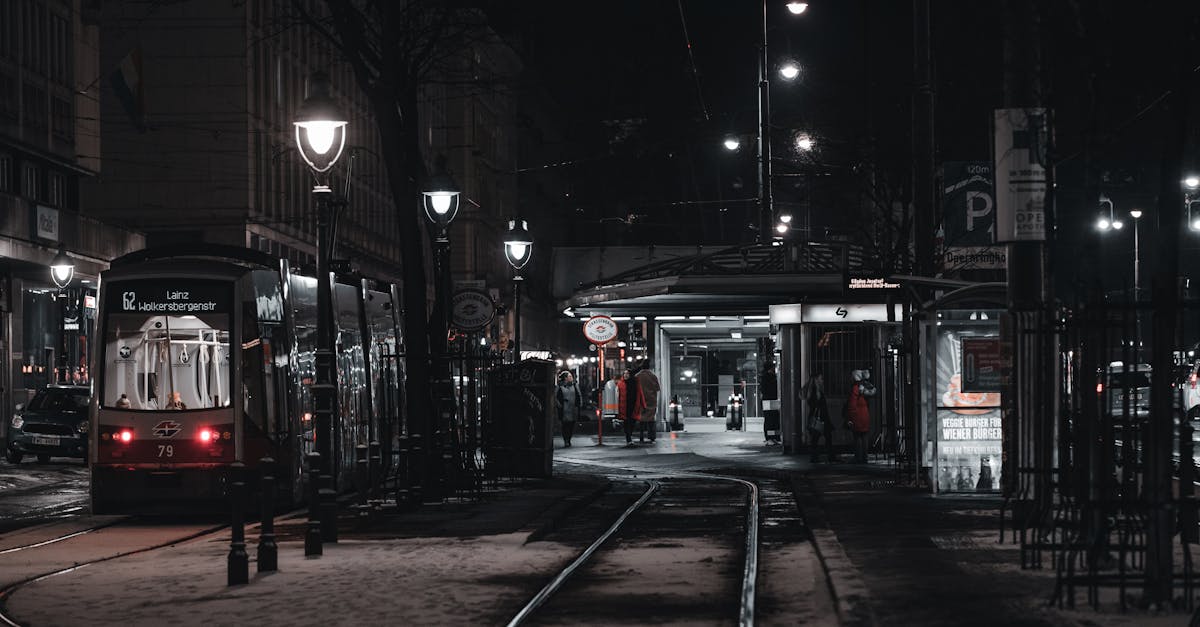
Photo · Vladimir Srajber · Pexels
Vienna is a city that rewards sitting down, which means the standard two-day sprint between palaces gets it exactly wrong.
The shape that works: the Ring and the centre on day one, one palace and one long coffee house afternoon on day two. Do less and stay longer in each place.
Euro. Convert any figure on this page into your own currency at today's published rate.
Open the currency converter →Day one: the Ring and the centre
Morning: walk the Ring. The boulevard built where the city walls were, with the Parliament, the Rathaus, the Burgtheater, the university and the two great museums facing each other across Maria-Theresien-Platz. Tram lines 1 and 2 run it if the walk is too much, and riding the Ring on a normal tram ticket is the cheapest sightseeing in the city.
Then one museum, not three. The Kunsthistorisches Museum for the Bruegel room, which is the largest collection of his work anywhere and is worth the ticket on its own.
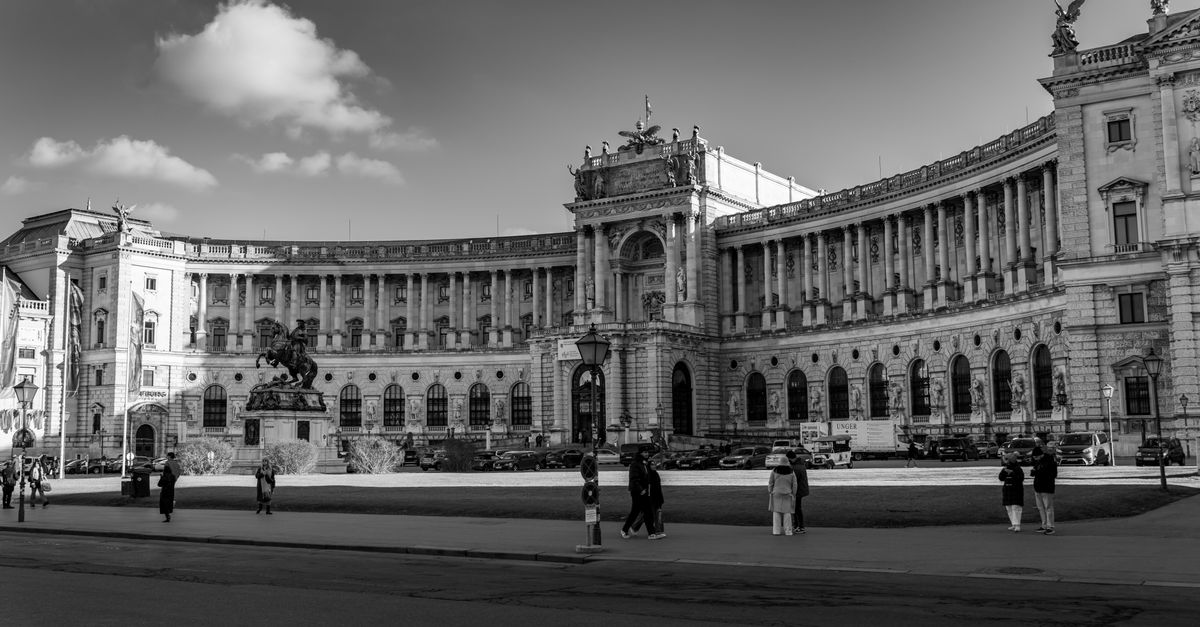
Lunch, then the Innere Stadt. Stephansdom, the Graben, the Kohlmarkt, and walk through the Hofburg courtyards, which are free and are the better half of it.
Late afternoon: a coffee house, properly. Café Central, Café Hawelka, Café Sperl, Café Landtmann. Order a mélange, take a newspaper from the rack, and stay two hours. This is not filler, it is the thing the city does better than anywhere.
Evening: standing tickets at the Staatsoper. They go on sale shortly before the performance, they cost a few euro, and they are one of the genuine bargains in European culture. The opera publishes the standing-room process. Queue early for a good spot on the rail.
Day two: Schönbrunn and the other Vienna
Morning: Schönbrunn, and go at opening. The summer palace, the gardens, the Gloriette on the hill behind it, and the oldest zoo in the world in the grounds.
The gardens are free and are most of the point. The palace interiors are a timed-ticket tour and the shorter route is enough.
Getting there: U4 to Schönbrunn, fifteen minutes from the centre.
Afternoon: the Belvedere, for Klimt's The Kiss, which is genuinely worth the queue, in a baroque palace with a garden between its two halves.
Or, if you would rather skip another palace: the Naschmarkt for lunch and then the MuseumsQuartier, which is the modern counterweight to everything above, with the Leopold's Schiele collection and courtyards full of people not looking at Habsburgs.
Evening: a heuriger. The wine taverns in the villages on the city's edge, Grinzing and Nussdorf, where the year's wine is served with cold food in a courtyard. Vienna is the only capital with commercial vineyards inside the city limits, and this is how you use them.
If you have a third day
The Prater for the ferris wheel and the enormous park behind it, which almost no visitor walks into.
The Zentralfriedhof, the central cemetery, where Beethoven, Brahms, Schubert and Strauss are buried in one grove, and which is the size of a small town.
Or a day trip: Bratislava is an hour by train or boat and is a different country and a completely different price level. Melk abbey and the Wachau valley are ninety minutes and are the better trip if you have the choice.
What we would skip
Skip the costumed concert tickets sold on Stephansplatz. They are a product made for visitors and Vienna has the best real classical music in Europe two streets away.
Skip the Hofburg interiors if you are also doing Schönbrunn. They cover similar ground and Schönbrunn does it better.
Skip the fiaker horse carriage. It is expensive, slow, and the welfare question is live enough that the city has repeatedly restricted operating hours in heat.
And skip the Sachertorte queue at the Hotel Sacher. The cake is fine. Demel and half the coffee houses in the city do better cake with no queue.
When to go
May, June and September for the weather and the terraces.
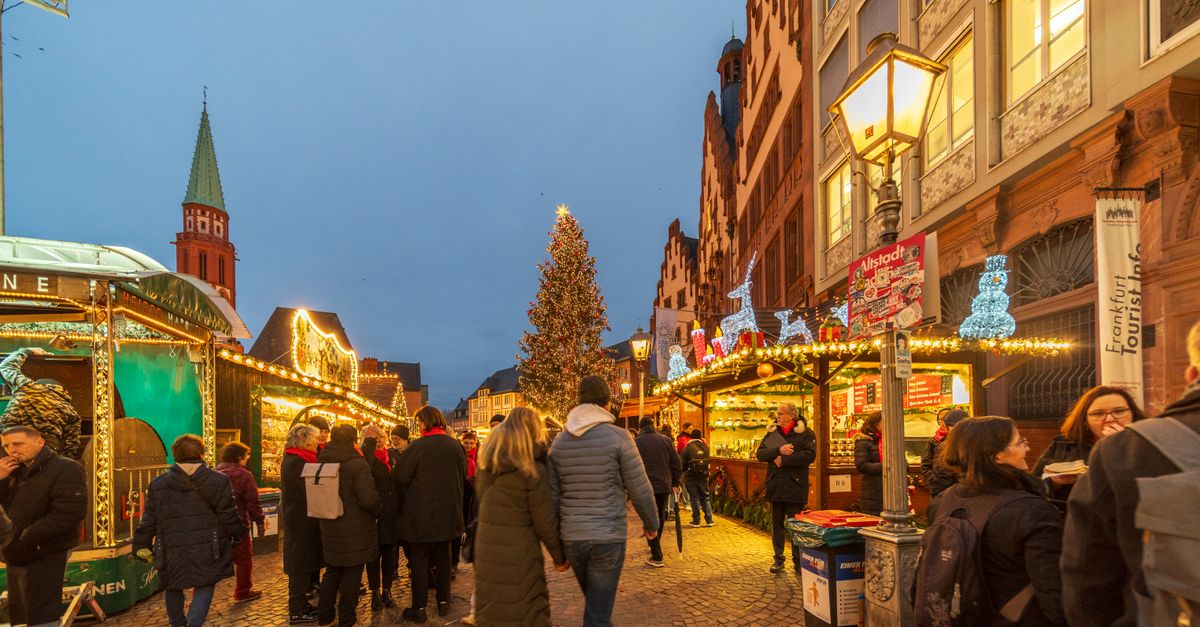
Late November and December for the markets, and our ranked Christmas markets guide explains why Vienna is the one that matters most: Rathausplatz runs to 26 December, when the German markets have shut. It also explains why Rathausplatz is the least interesting of Vienna's own markets and which ones to go to instead.
January and February are cold, cheap and the best months for the museums and the opera.
Checked 21 Aug 2026.
Everything we check for Austria →Short tourist stays only. Checked 21 Aug 2026; rules change without notice and the government page is the source of truth.
Check your own passport →Before you book
Where to stay in Vienna has the districts and the transport, and Prague or Budapest covers the neighbours if the trip is a Central European loop.
The Christmas markets guide has the dates if you are coming in December, and Europe on a budget has the wider cost picture.
The itineraries hub collects the rest and the Austria country page has the practical layer.
Opening arrangements and the standing-room process checked September 2026 against the Vienna State Opera and Vienna's official tourist board. Museum opening days vary and several close on a Monday, so check the specific one before you build a morning around it. Here is how we research and re-check guides.