Tipping in Japan (don't)
Tipping in Japan is not modest, it is confusing and occasionally rude. Why the custom does not exist, the four exceptions, and what to do instead.
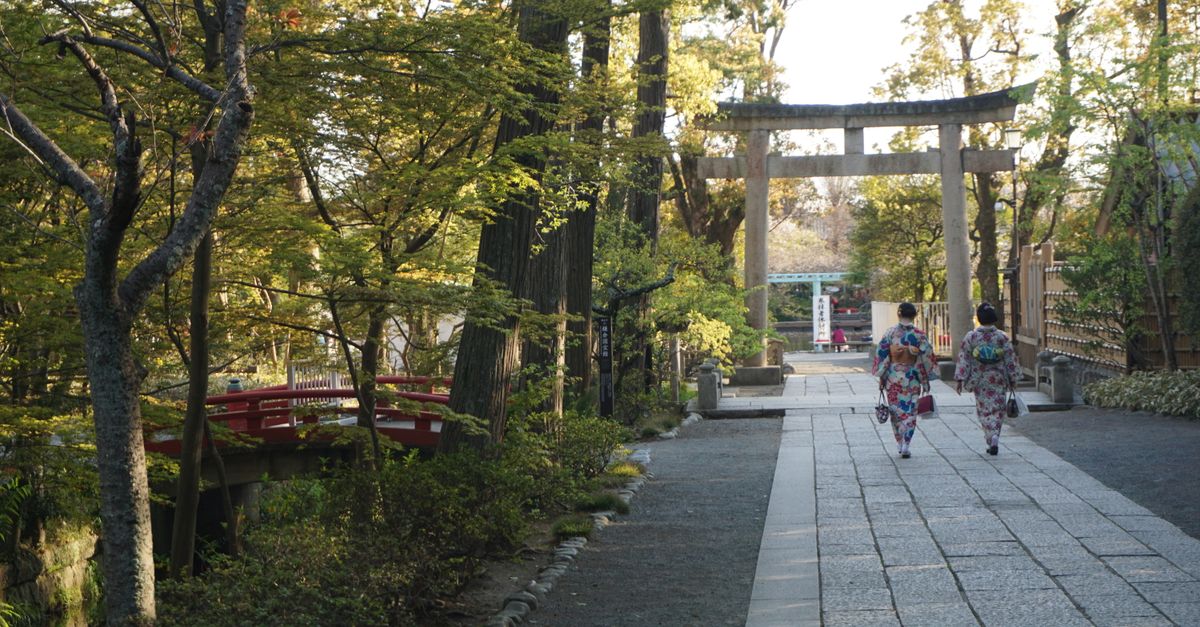
Photo · Johnny Song · Pexels
Do not tip in Japan.
Not in restaurants, bars, taxis, hotels or salons. There is no tipping custom and leaving money causes confusion rather than pleasure.
Staff will frequently chase you down the street to return it, which is a genuinely awkward thing to have caused someone.
Japanese yen. Convert any figure on this page into your own currency at today's published rate.
Open the currency converter →Why the custom does not exist
Good service is the standard rather than something you purchase.
The idea underneath it is that a business charges what its service is worth and delivers that service completely. A tip implies the service needed an incentive, which is the part that makes it faintly uncomfortable rather than flattering.
It is not about modesty or refusing money. It is that the transaction is considered already complete.
The four exceptions
These exist and they are narrow.
1. Ryokan with a personal attendant. In a traditional inn where a nakai-san looks after your room, serves your meals and lays out your futon, a gratuity is sometimes given. In an envelope, presented with two hands, at the start of the stay rather than the end.
2. Private guides and drivers. Increasingly expected where the service is booked internationally, and the company will tell you.
3. Some high-end and traditional services. Geisha engagements, certain ceremonial contexts.
4. Wedding and formal gift-giving customs, which are a different subject entirely and not something a visitor will encounter.
In all of these the money goes in an envelope. Loose notes handed over are the thing to avoid, in every context.
What is on the bill, which is not a tip
A service charge, typically around 10 per cent, is added by some higher-end restaurants and most hotel restaurants. It appears on the bill and it is not discretionary.
Otoshi or tsukidashi, a small seating charge at izakaya, arrives as a small dish you did not order and is charged for. It is not a scam and it is not optional, and it is effectively a cover charge. Typically a few hundred yen.
Consumption tax is included in displayed prices by law in most cases, so the number on the menu is the number you pay. Japan Guide sets out the charging conventions if you want the detail before you sit down.
What to do instead
**Say gochisosama deshita when you leave a restaurant. It means roughly "that was a feast" and it is the standard closing. It registers far more than money would.**
**And itadakimasu before you eat**, which is the opening half of the same convention.
Beyond that, the things that actually count:
Be on time. For a reservation, a tour, a train. Punctuality is treated seriously.
Be quiet on public transport. Phone calls on trains are the specific thing that reads as inconsiderate.
Handle things with two hands, particularly money, cards and business cards.
Use the tray. Money is placed on the small tray at a till rather than into the hand, and change is returned the same way. Ignoring the tray is a small, constant, avoidable friction.
Return your tray at a casual restaurant, and take your rubbish with you, because public bins are rare.
The one place people still try
Tour guides and hotel porters, because the habit is strong.
If you genuinely want to, an envelope, two hands, and a small gift from your own country is more welcome than cash and is a normal Japanese gesture. Regional sweets from home work well.
A verbal thank you is completely sufficient, and this is not politeness on our part. It is what is expected.
The wider point
Japan runs on a lot of small conventions like this, and getting them roughly right makes the whole trip smoother. Our Japan travel tips has the ones that are not in every listicle, and Japan for first-timers has the broader orientation.
None of them are tests. Nobody expects a visitor to know all of it and the effort is visible and appreciated.
Checked 21 Aug 2026.
Everything we check for Japan →Visa-free · 90 days, on all five passports we check.
Short tourist stays only. Checked 21 Aug 2026; rules change without notice and the government page is the source of truth.
Check your own passport →Before you book
Japan travel tips covers the rest of the conventions, and Japan for first-timers is the orientation.
Do you need a visa for Japan has the entry rules, including that JESTA is a 2028 system rather than a current one.
The Japanese calendar decides the month and Japan on a budget has the numbers.
The first trips hub collects the rest and the Japan country page has the practical layer.
Customs and charging conventions checked September 2026 against the Japan National Tourism Organization and Japan Guide's etiquette pages. Service charges and seating charges are set by individual businesses and appear on the bill, and consumption tax display rules are set nationally. Here is how we research and re-check guides.