Where to stay in Hanoi
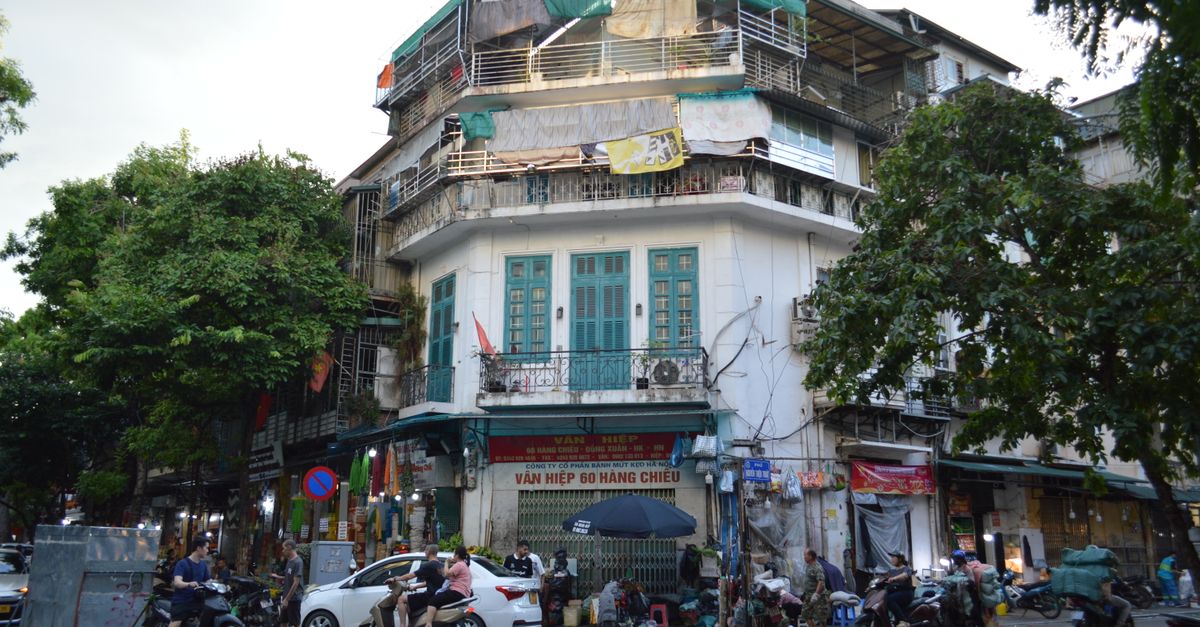
The Old Quarter is loud in a way photographs cannot convey. Five areas, who each suits, what the noise actually costs you, and the street to avoid.
Photo · Ama Journey · Pexels
First visit: the Old Quarter if you want to be in it, the French Quarter if you want to sleep. That is the whole decision, and it is about noise rather than money.
Families: the French Quarter or Ba Dinh, for pavements and space. Long stay: Tay Ho, and nothing else comes close. Budget: the Old Quarter's western edge, around Hang Bong and Hang Ga.
Vietnamese dong. Convert any figure on this page into your own currency at today's published rate.
Open the currency converter →How Hanoi actually fits together
Hanoi is a lake with a medieval trading quarter on its north side and a colonial grid on its south, and almost everything a short visit wants is within twenty minutes on foot of that lake.
Hoan Kiem lake is the pivot. North of it, the Old Quarter: thirty-six guild streets, tube houses, and the density that people come for. South and east, the French Quarter: wide boulevards, the Opera House, embassies, plane trees. West, Ba Dinh: the mausoleum, the museums, the government quarter, quieter and greener. Further north again, Tay Ho around West Lake, which is a different city altogether.
The metro does not yet help you. Line 2A has run from Cat Linh to Ha Dong since 2021, and the elevated section of Line 3 opened from Nhon in August 2024; both run out to the suburbs rather than around the centre. The underground extension into Hanoi station is in delivery for 2027, and that is the one that will matter. Until then, you walk or you take a Grab.
The five areas
1. The Old Quarter, for a first visit that wants the noise
Who it suits: first-timers, anyone travelling for a few days, anyone who would rather step out of the door into it than walk to it.
What it costs: the city's mid-range, with an enormous spread. The same street holds a dorm and a boutique hotel.
Why it works: you are inside the thing. Bia hoi corner, the night market at the weekend, banh mi at seven in the morning from a cart that has been there for thirty years, and Hoan Kiem lake at five in the morning when the whole neighbourhood is doing tai chi on the promenade.
The catch, and it is the real one: it is loud. Not lively, loud. Motorbikes, karaoke, deliveries at six, and tube houses with shared walls. Ask for a room at the back and above the second floor, and read the reviews for the word "karaoke" specifically.
The streets to prefer: the quieter western edge around Hang Bong, Hang Ga and Hang Dieu, still two minutes from the middle.
2. The French Quarter, for a first visit that wants to sleep
Who it suits: most people, honestly. Couples, older travellers, anyone sensitive to noise, anyone staying more than three nights.
What it costs: slightly above the Old Quarter for the same standard, and this is the best-value premium in the city.
Why it works: wide pavements you can actually walk on, trees, the Opera House, the good coffee shops, and the Old Quarter ten minutes away on foot, which means you visit the noise rather than sleeping in it.
The catch: it is quieter in the evening, so if you want to step out at ten at night into something, you are walking north.
3. Ba Dinh, for space and the museums
Who it suits: families, and anyone who wants to be near the Ho Chi Minh mausoleum complex, the Temple of Literature and the Imperial Citadel without a taxi each morning.
What it costs: below the two above.
The catch: it is a government and residential district. It is calm in the evening in a way that reads as empty if you wanted a night out, and the mausoleum complex itself closes early and shuts entirely for maintenance for about two months in the autumn.
4. Tay Ho and West Lake, for a long stay
Who it suits: anyone staying two weeks or more, remote workers, families with young children who want a garden and a lake path.
What it costs: the apartments are excellent value by the month and poor value by the night.
Why it works: it is green, the air is noticeably better than the centre's, the lake path is 17km round, and the international food is here.
The catch, and it decides most trips: it is twenty to thirty minutes from Hoan Kiem, and Hanoi's traffic makes that unpredictable. On a three-day trip you would spend most of an afternoon commuting. Stay here for a month, not for a weekend.
5. Around Hanoi station and Le Duan, for the budget
Who it suits: anyone arriving or leaving on the night train to Sapa or Hue, and anyone counting.
What it costs: the cheapest rooms in the central area.
The catch: it is a functional part of the city rather than a pleasant one, and the walk to Hoan Kiem is fifteen minutes past not very much.
Where not to stay
Not out by Noi Bai airport. It is 45 minutes to an hour from the centre and the only reason to be there is a 6am flight, which a Grab at 4am solves more cheaply than a night does.
Not on the far side of the Red River, in Long Bien or Gia Lam, unless someone has told you specifically to be there. The bridges are the bottleneck and you will feel every one of them.
And be careful with "Old Quarter" in a listing. It is used generously. Check the pin against Hoan Kiem lake rather than the description, because a hotel twenty minutes west is still calling itself central.
The train street question
Train Street, the residential lane the railway runs through, is not the free attraction it was. Access has been repeatedly restricted and then partially reopened since 2019, and the cafes along it have been closed and reopened more than once, most recently with barriers and a police presence at the entrances.
What that means practically: do not book a hotel to be near it, do not pay for a tour that promises entry, and check locally on the day. When it is open it is a five-minute novelty on a street where people live.
Getting in from the airport
Noi Bai is 45 minutes to an hour from the Old Quarter, longer in the afternoon.
Grab is the straightforward answer and removes the fare negotiation entirely. The airport minibuses are cheaper and slower. The public bus 86 runs to the Old Quarter and Hanoi station for a few tens of thousands of dong and is the genuine budget option.
Agree nothing with a driver who approaches you inside the terminal. Walk to the rank, or use the app.
Checked 21 Aug 2026.
Everything we check for Vietnam →What it costs
Prices in dong, checked September 2026. A comfortable mid-range room in the Old Quarter or French Quarter sits in the range our Vietnam budget guide sets out, and Hanoi is at the cheaper end of Vietnam's city accommodation.
The line to watch is not the room, it is the transfers. A Tay Ho hotel that looks 30 per cent cheaper costs you two Grab fares a day and an hour of your time, which on a short trip is the worse deal.
Short tourist stays only. Checked 21 Aug 2026; rules change without notice and the government page is the source of truth.
Check your own passport →Before you book
Three days in Hanoi is the itinerary these areas are built around, and the Vietnamese calendar decides the month, which matters here because the north has a genuine winter.
The two-week route shows where Hanoi sits in a country trip, Vietnam on a budget has the numbers, and Vietnam or Thailand is the comparison if the country is not fixed.
The where to stay hub collects the rest and the Vietnam country page has the practical layer.
Transport and metro status checked September 2026 against Hanoi Metro's line status and Vietnam's national tourism administration. Train Street access has changed several times since 2019 and is the one item here worth checking on the day rather than in advance.