Prague or Budapest, and the six hours between them
Prague is prettier and smaller, Budapest is cheaper and has the baths. Six rounds with a winner each, and why doing both needs Vienna in the middle.
Photo · Ch Jawad · Pexels
These two get compared because they look alike from a distance: central European capitals on big rivers, baroque skylines, cheap beer, a weekend flight away.
Up close they are not alike at all, and the thing that decides between them is how long you are staying.
Two days: Prague. The historic core is small enough that two days genuinely covers it, and it is the prettiest in central Europe.
Three or more: Budapest. Bigger, cheaper, slower, with the baths, and it keeps giving on day four in a way Prague does not.
Czech koruna. Convert any figure on this page into your own currency at today's published rate.
Open the currency converter →Round one: the historic core
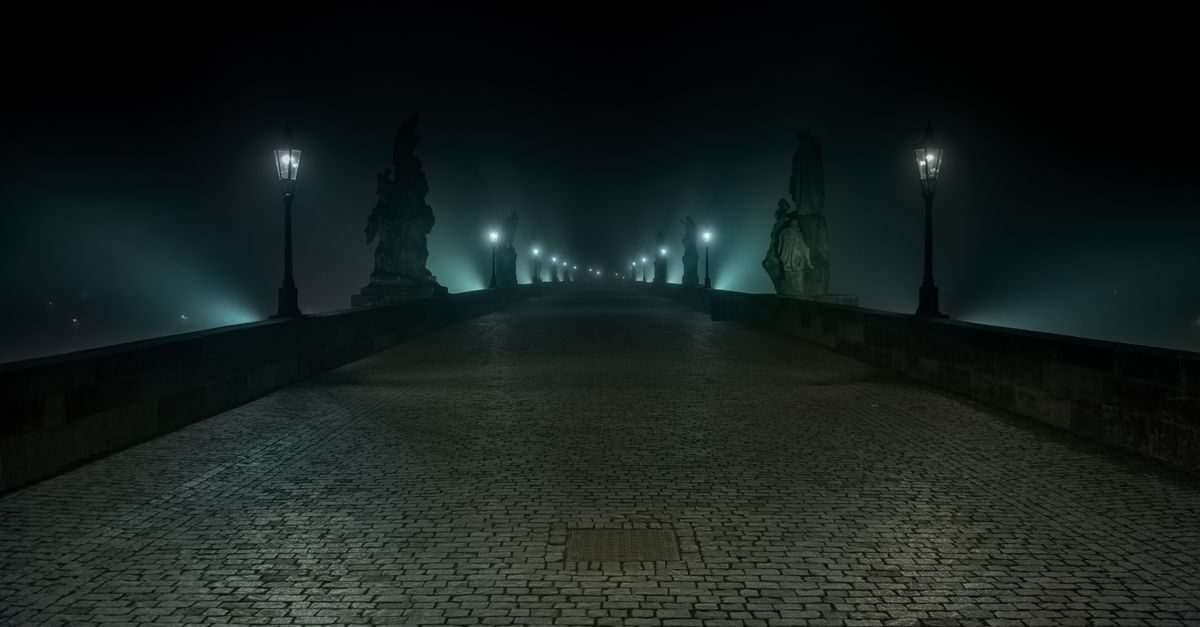
Prague's centre is compact and almost entirely intact, which is a consequence of it having been spared the bombing that flattened much of the region. Old Town Square, Charles Bridge, Malá Strana and the castle hill sit within a walk of each other, and the whole thing is a single continuous streetscape from the fourteenth century onward.
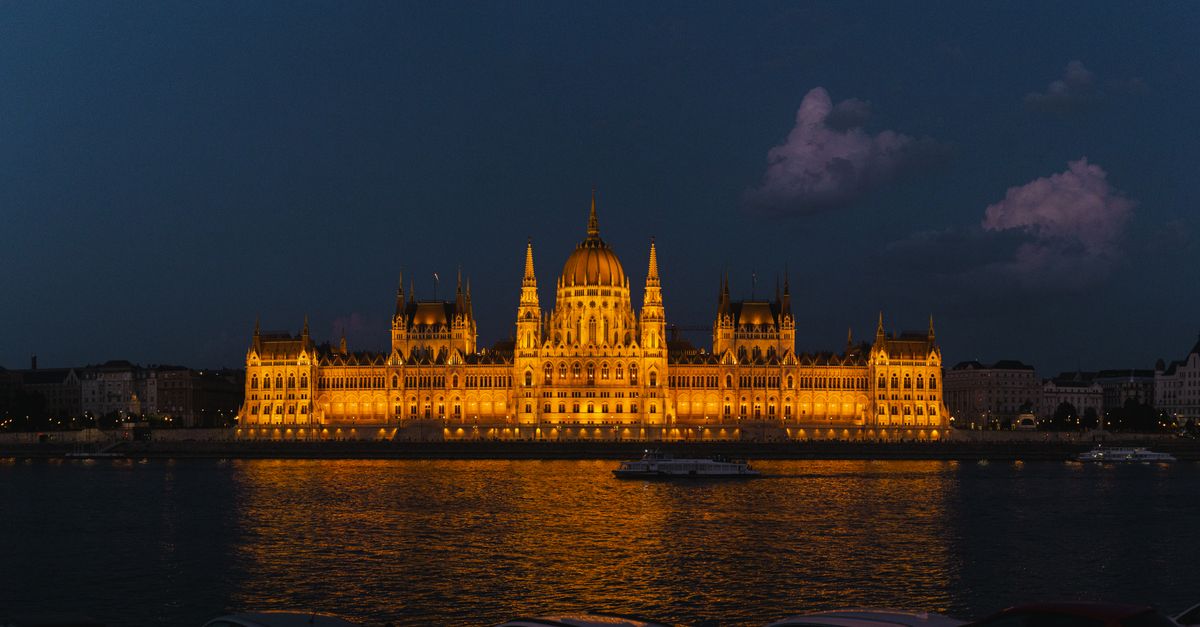
Budapest is two cities stitched together across a much wider river, and its best architecture is nineteenth-century rather than medieval: the Parliament, the grand boulevards, the coffee houses, the apartment blocks with their courtyards.
For sheer visual density in a small area, Prague wins comfortably.
Winner: Prague.
Round two: what it costs
Both are cheaper than western Europe and the gap between them has narrowed.
Transport is close. Prague's 24-hour ticket is 150 CZK on paper or 140 in the app; Budapest's 24-hour travel card is 2,500 HUF, with 72 hours at 5,500 HUF and seven days at 6,300 HUF. In real terms those land in similar territory.
Accommodation and eating is where Budapest pulls ahead, particularly outside the immediate tourist streets. Prague's Old Town Square prices are among the most inflated in the region, and the honest fix is the same in both cities: eat where people live. Vinohrady and Karlín in Prague, District VII and Újlipótváros in Budapest.
One tax note: Prague charges an accommodation fee of 50 CZK per person per night, and Prague 1 has proposed raising it substantially with a national decision expected during 2026.
Winner: Budapest, on the day-to-day.
Round three: the baths
Budapest has thermal water under it and has built an entire civic culture on top of that fact.
Széchenyi is the enormous yellow one in the park, where people play chess in the steam outside in February. A weekday ticket with a locker runs about 13,200 HUF booked online, with fast-track morning or afternoon entry Monday to Thursday around 15,200 HUF. Gellért is the art nouveau one.
Prague has nothing comparable. The Czech spa towns, Karlovy Vary and Mariánské Lázně, are genuine and they are a day trip out of the city rather than something you do on a Tuesday evening.
Winner: Budapest, uncontested.
Round four: the sights, and the tickets
Prague's headline is Prague Castle, and the useful thing to know is that the grounds and courtyards are free and open 6am to 10pm. The 450 CZK circuit ticket buys the interiors: St Vitus Cathedral inside, the Old Royal Palace, St George's Basilica and Golden Lane.
Budapest's headline is Buda Castle, and here is the thing almost every guide gets wrong: there is no Buda Castle ticket. The grounds, courtyards and streets are free and unticketed, and each museum inside the palace sells its own admission, with the Hungarian National Gallery around 5,800 HUF and the Budapest History Museum around 3,800 HUF. People arrive looking for a ticket office for the castle and there is not one.
Prague's other trick is worth repeating: the Old Town Hall is half price for the first hour after opening, every day, and its online skip-the-line ticket costs 100 CZK more than the door. Buying ahead there loses you money.
Winner: draw. Both cities give away more than visitors realise.
Round five: the evening
Prague's evening is beer, and it is the best beer in the world at the price. A half-litre in a Vinohrady pub costs less than a coffee on Old Town Square, and the pub culture is a genuine institution rather than an attraction.
Budapest's evening is the ruin bars, which began as squats in the derelict Jewish quarter and are now a well-managed industry, plus a stronger wine culture than Hungary gets credit for and coffee houses that are properly grand.
Budapest has more range. Prague has the better single thing.
Winner: Budapest, narrowly, on variety.
Round six: what to avoid in each
Both cities have the same signature rip-off and it is worth naming twice.
Currency exchange booths advertising "0% commission" work by giving you a terrible rate rather than charging a commission. Use a bank's ATM, decline the machine's offer to convert for you, and take the real rate. This is true in Prague and it is true in Budapest.
The other shared one: taxis hailed on the street near tourist areas. Use an app in both cities.
Winner: nobody.
Choose Prague if
- You have two days. It is the better short break by a clear margin.
- The architecture is the point, and you want it all within a walk.
- You are travelling in winter. Prague in December and January is beautiful, cheap and about four degrees, and the city carries it well.
- You want the best beer on earth at pub prices.
Choose Budapest if
- You have three days or more.
- You want the baths, which is a reason on its own and the single most distinctive thing either city offers.
- The budget matters day to day.
- You prefer a city that is lived in rather than curated. Budapest's centre is still substantially residential in a way Prague's is not.
Doing both, and why Vienna belongs in the middle
Here is the constraint people underestimate from looking at a map: Prague and Budapest are six to seven hours apart by direct train. There are thirteen services a day and advance fares start around €19.90, and it is still most of a day.
Vienna sits on that route, roughly halfway, and it is superb. Prague to Vienna, then Vienna to Budapest, turns one wasted day into two short journeys with one of Europe's great cities in the middle. That is the itinerary we would build, and it is the answer to the question people are actually asking when they ask this one.
A workable week: three nights Prague, two nights Vienna, three nights Budapest, moving east.
What to skip
The Astronomical Clock show. Forty-five seconds on the hour and a crowd holding position for twenty minutes. See it from wherever you happen to be.
Trdelník. Sold everywhere in Prague as an ancient Bohemian pastry and it is neither. Eat a chlebíček.
A day trip on a two-day trip to either city. Český Krumlov and Szentendre are both lovely and both cost you half of everything else.
Flying between them. With airport transfers and security, the door-to-door time is close to the train, and the train goes through Vienna.
Budapest's Parliament without booking. Interior tours are timed, capped and sell out days ahead in season.
Short tourist stays only. Checked 21 Aug 2026; rules change without notice and the government page is the source of truth.
Check your own passport →Checked 21 Aug 2026.
Everything we check for Czechia →Before you book
Two days in Prague is the route for the shorter city, with the half-price hour, the castle circuit and the funicular that has been out of service since September 2024. The Prague city guide, the Budapest city guide, the Vienna city guide and the Czech Republic country guide have the practicalities. For the same kind of decision further south, the best time to visit Italy and Greece both cover months rather than cities, and there is more in the best of hub and the itineraries hub. Ready to compare? Prague stays here and Budapest stays here.
Fares, admission prices and rail times checked September 2026 against the Czech transit company and Prague City Tourism. Prague's accommodation fee is under review and Budapest's bath pricing changes by day of the week, so both are worth confirming before you book.