 Common · +100 XP
Best time to visit: May–Jun · Sep–Oct
Daily spend ~$80
Common · +100 XP
Best time to visit: May–Jun · Sep–Oct
Daily spend ~$80
Czechia
Prague does the heavy lifting and the rest of the country is quietly cheaper. Bohemian spa towns, Moravian wine, and beer treated as a civic responsibility.
Czechia in ten slides
Wikipedia · 3 Sep 2026


Best time to visit Czechia: May–Jun · Sep–Oct
Where people go in Czechia
What people go to see in Czechia

The Prague astronomical clock, or Prague Orloj, is a medieval astronomical clock attached to the Old Town Hall in Prague, the capital of the Czech Republic.
Wikipedia · CC BY-SA 4.0 · 1 Aug 2026
Steve Collis from Melbourne, Australia · CC BY 2.0
Charles Bridge is a medieval stone arch bridge that crosses the Vltava river in Prague, Czech Republic. Its construction started in 1357 under the auspices of King Charles IV, and finished in the early 15th century. The bridge replaced the old Judith Bridge built 1158–1172 that had been severely damaged by a flood in 1342.
Wikipedia · CC BY-SA 4.0 · 12 Aug 2026

Josefov is a town quarter and the smallest cadastral area of Prague, Czech Republic, formerly the Jewish ghetto of the town. It is surrounded by the Old Town. The quarter is often represented by the flag of Prague's Jewish community, a yellow Magen David on a red field.
Wikipedia · CC BY-SA 4.0 · 5 Mar 2026
Martin Pauer (Power) · CC BY-SA 2.5
Old Town Square is a historic square in the Old Town quarter of Prague, the capital of the Czech Republic. It is located between Wenceslas Square and Charles Bridge.
Wikipedia · CC BY-SA 4.0 · 29 Jul 2025

Petřín is a hill in the centre of Prague, Czech Republic. It rises 327 m above sea level and some 130 m above the left bank of the Vltava River. The hill, almost entirely covered with parks, is a favorite recreational area for the inhabitants of Prague.
Wikipedia · CC BY-SA 4.0 · 28 May 2026
Ludek · CC BY-SA 3.0

Prague Castle is a castle complex in Prague, Czech Republic serving as the official residence and workplace of the president of the Czech Republic. Built in the 9th century, the castle has long served as the seat of power for kings of Bohemia, Holy Roman emperors, and presidents of Czechoslovakia.
Wikipedia · CC BY-SA 4.0 · 25 Aug 2026
Tilman2007 · CC BY-SA 4.0

Brno Ossuary is an underground ossuary in Brno, Czech Republic. It was rediscovered in 2001 in the historical centre of the city, partially under the Church of St. James. It is estimated that the ossuary holds the remains of over 50 thousand people, which makes it the second-largest ossuary in Europe, after the Catacombs of Paris.
Wikipedia · CC BY-SA 4.0 · 9 Jul 2026
TIC BRNO, příspěvková organizace · CC BY-SA 4.0

The Cathedral of Saints Peter and Paul is a Roman Catholic cathedral located on the Petrov hill in the Brno-střed district of the city of Brno in the Czech Republic. It is commonly referred to locally as simply "Petrov". It is the seat of the Diocese of Brno and a national cultural monument that is one of the most important pieces of architecture in South Moravia.
Wikipedia · CC BY-SA 4.0 · 12 Jul 2026
Petr.adamek · CC BY-SA 4.0


Villa Tugendhat is an architecturally significant building in Brno, Czech Republic. It is one of the pioneering prototypes of modern architecture in Europe, and was designed by the German architects Ludwig Mies van der Rohe and Lilly Reich. It was built between 1928 and 1930 for Fritz Tugendhat and his wife Greta, of the wealthy and influential Jewish Czech Tugendhat family.
Wikipedia · CC BY-SA 4.0 · 24 Jul 2026
Petr1987 · CC BY-SA 4.0

Zelný trh is a square and traditional marketplace in Brno, Czech Republic. It is located in the historic centre of Brno on an area of about 0.6 hectares.
Wikipedia · CC BY-SA 4.0 · 17 Mar 2026
Petr.adamek · CC BY-SA 4.0
Cabinet of Architecture is a gallery and exhibition space in Ostrava, Czech Republic, founded in 2009.
Wikipedia · CC BY-SA 4.0 · 20 Oct 2024

Cathedral of the Divine Saviour, located in the center of Ostrava, is the second largest Roman Catholic cathedral in Moravia and Silesia. This three-nave Neo-Renaissance basilica with a semi-circular apse and two 67m high towers was built starting in 1883, and which was completed in 1889.
Wikipedia · CC BY-SA 4.0 · 12 Jul 2026
Michal Klajban · CC BY-SA 4.0

Lower Vítkovice (Czech: Dolní oblast Vítkovice) is a national site of industrial heritage located in the Vítkovice district of Ostrava in the Czech Republic. It includes an extensive industrial area Vítkovice ironworks with a unique collection of industrial architecture.
Wikipedia · CC BY-SA 4.0 · 9 Jun 2026
Kenyh · CC BY-SA 3.0


Vítkovice is an administrative district of the city of Ostrava, capital of the Moravian-Silesian Region in the Czech Republic. Situated on the left bank of the Ostravice River in the Moravian part of the city, Vítkovice was a town in its own right until its incorporation in 1924.
Wikipedia · CC BY-SA 4.0 · 19 Jul 2025
Petr Štefek · CC BY 1.0
Sourced stays
Sourced experiences
Fly to Czechia
The facts you look up on the plane
Guides about Czechia
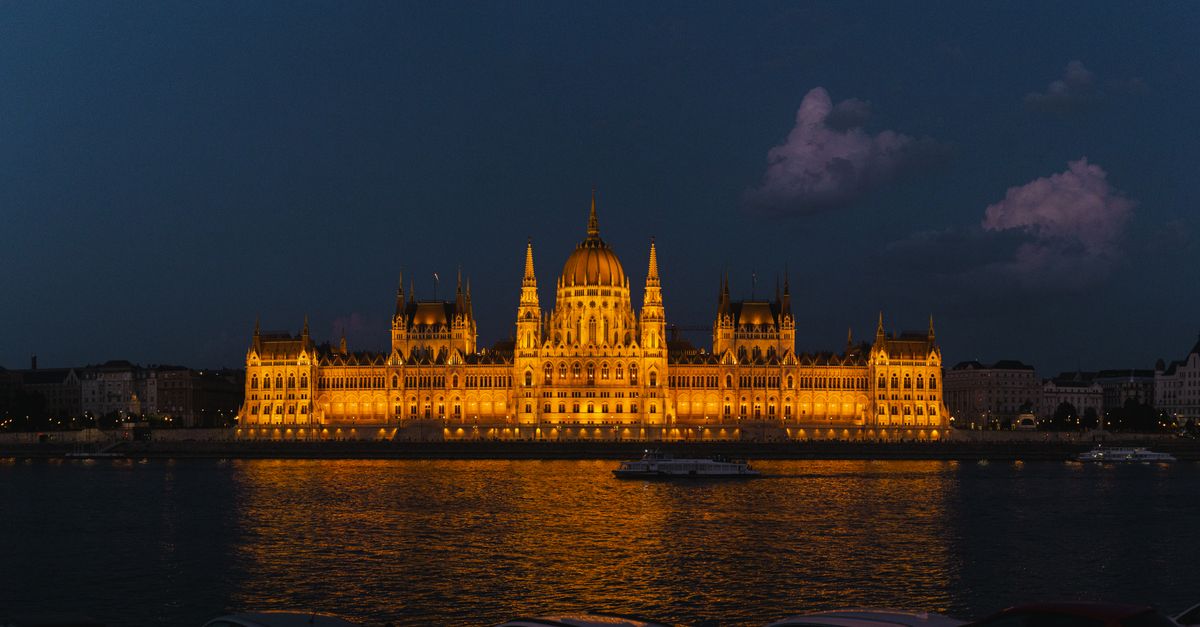
Prague is prettier and smaller, Budapest is cheaper and has the baths. Six rounds with a winner each, and why doing both needs Vienna in the middle.
Josefin Bakke · 2 Sep 2026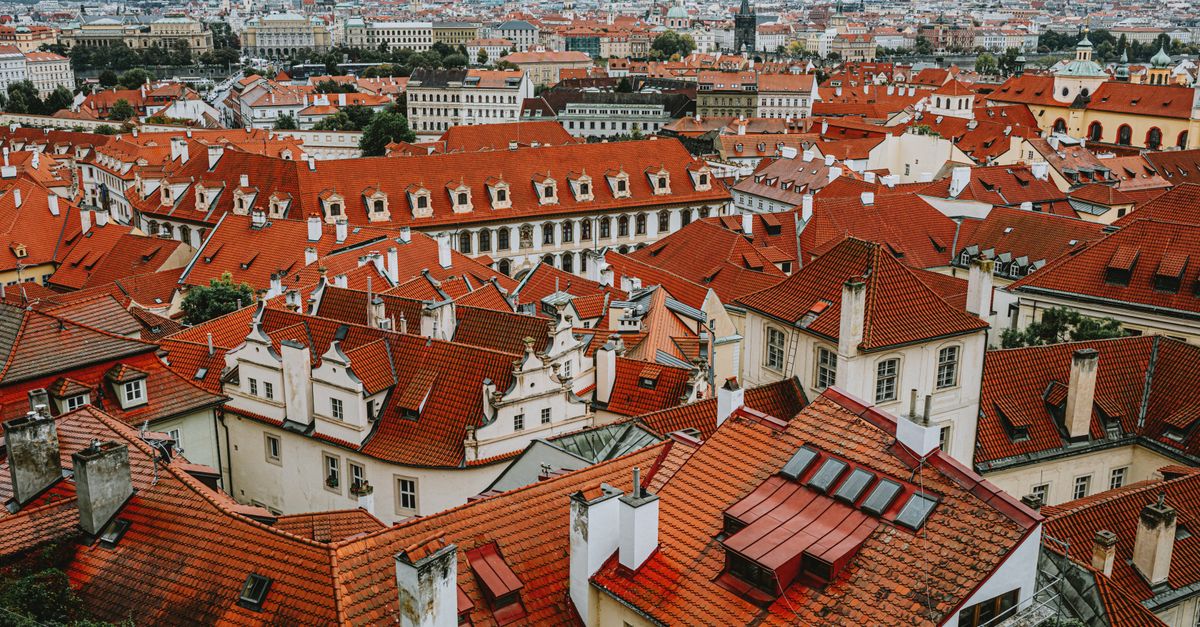
Prague's castle is across the river from everything else, and Old Town Square is the most inflated address in central Europe. The areas, and the flat fee.
Josefin Bakke · 2 Sep 2026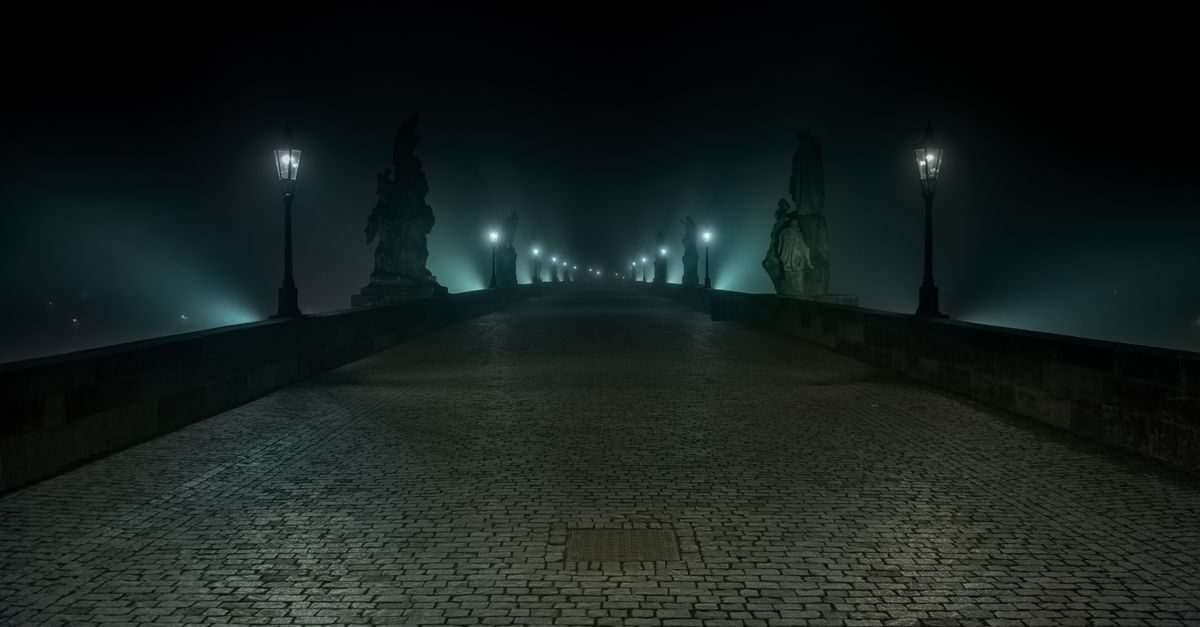
Two days in Prague built around two specific hours, the half-price window nobody publishes, and the funicular that has not run since September 2024.
Josefin Bakke · 1 Sep 2026Not going yet? Pin it.
One tap puts it on your map and in your pins, for when you are ready.