Paris with kids, and the ninety per cent of the metro you cannot use
Paris with kids from age three, planned around the metro step-free gaps, the parks that save an afternoon and the sights a five-year-old will not survive.
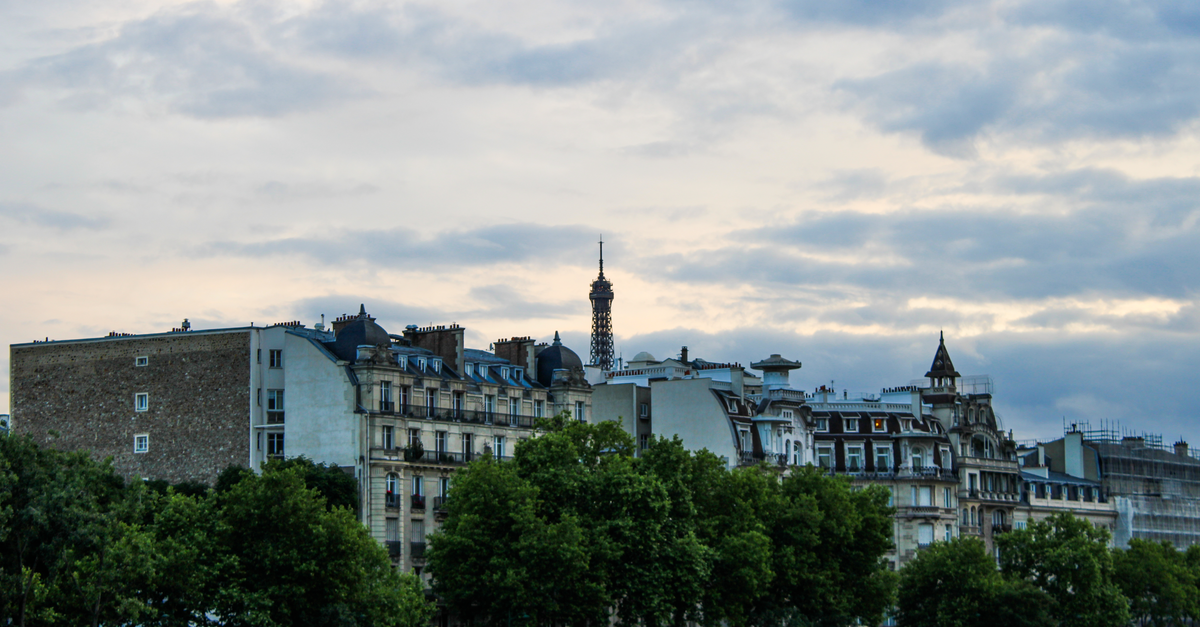
Photo · Jessica Lewis 🦋 thepaintedsquare · Pexels
Paris works with children from about age three, and it works far better than its reputation. The parks are exceptional, the right museums are short, and French restaurants are more relaxed about children than most people expect.
The thing that makes or breaks the trip is not the sights. It is the metro.
Euro. Convert any figure on this page into your own currency at today's published rate.
Open the currency converter →The pram problem, in numbers
Roughly ninety per cent of the Paris metro is not step-free.
Specifically:
- Line 14 is the only fully accessible line, with lifts and level boarding at every station and no gap between platform and train.
- Selected stations on Lines 1, 4 and 13 have lifts.
- About sixty-two stations out of more than three hundred are fully accessible, and only around forty-eight of those have lifts that are reliably maintained. The rest depend on staff assistance or temporary ramps, which need notice and are not always available.
What that means in practice: most metro journeys with a pram involve carrying it up and down flights of stairs, often with a change in the middle. Parisians help, routinely and without being asked, and it is still exhausting three times a day.
So plan around it, in this order:
- Buses over the metro. Every Paris bus is low-floor and has a ramp and a pram space. They are slower and they are above ground, which with children is an advantage rather than a cost. A single bus or tram journey is €2.05 against €2.55 on the metro, so this is also the cheaper choice.
- Line 14 where it goes. It runs north to south through the middle and it is genuinely step-free.
- Walk. Central Paris is smaller than it looks and the walk between two sights is often shorter than the metro journey plus two staircases.
- A carrier instead of a pram, for a baby, if you can. It removes the entire problem.
The city's own accessibility pages list the lift-equipped stations, and they are worth checking against your actual route rather than assuming.
The three days that work
Day 1: the river and the Luxembourg
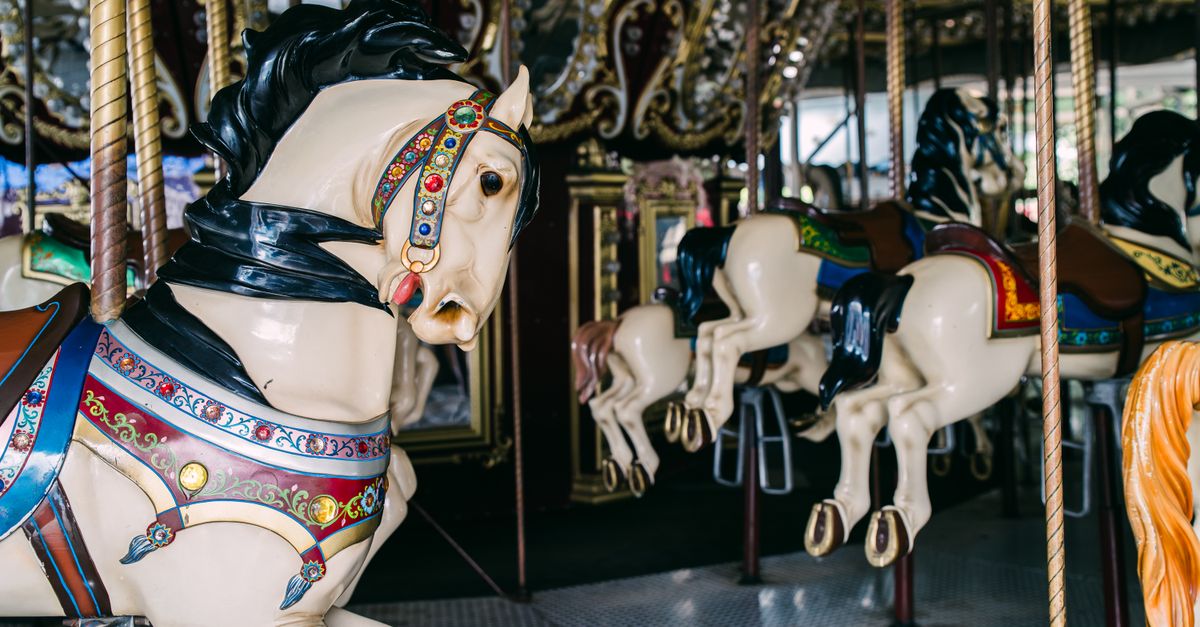
Morning: the Jardin du Luxembourg. This is the single best thing in Paris with children and it is free to enter. Model sailing boats you rent by the half hour and push around the octagonal pond with a stick, an excellent playground with a small charge, a puppet theatre, pony rides, and a carousel where children grab rings with a wooden baton.
Allow a whole morning. Genuinely.
Lunch nearby, then Notre-Dame from outside and the Île de la Cité on foot.
Afternoon: a Seine boat. Any of them. It is forty-five minutes to an hour, it is sitting down, it covers most of the sights from the water, and it converts a tired afternoon into a good one.
Evening: dinner at 7pm, which is early for Paris but which most brasseries will serve, and a crêpe on the way home.
Day 2: dinosaurs, animals and a park
Morning: the Jardin des Plantes. The Grande Galerie de l'Évolution is a nineteenth century glass hall with a procession of taxidermied animals marching across the floor, and it is the best natural history museum for children in Europe that is not in London. The Galeries d'Anatomie Comparée et de Paléontologie next door is skeletons and dinosaurs.
The ménagerie in the same gardens is one of the oldest zoos in the world and is small, which with a five-year-old is a feature.
Afternoon: Cité des Sciences at La Villette. Out on Line 5 or Line 7, and worth the journey. The Cité des Enfants inside it is built specifically for under-sevens and is booked in timed sessions, so reserve rather than turning up. The park around it is enormous and has a submarine in it.
Day 3: the tower question, and the choice
Morning: the Eiffel Tower, from outside.
We would not go up with young children, and it is worth deciding this before you are in the queue. The wait is long, the lifts are slow, and the view from the top is a view that does not have the Eiffel Tower in it. Look at it from the Trocadéro and lie on the grass at the Champ de Mars, which is what the tower is for.
If you do go up, book a timed slot weeks ahead and take the first one of the day.
Afternoon, pick one:
- Jardin d'Acclimatation in the Bois de Boulogne: a proper children's amusement park with a small train, next to the Fondation Louis Vuitton if one adult wants an hour of architecture.
- The Louvre, for exactly one hour, with a target. Pick three things, Winged Victory, the Egyptian rooms and one painting, and leave. A family that tries to "do" the Louvre has a bad day.
- Montmartre and the funicular, which counts as a ride, up to Sacré-Cœur and the carousel below it.
Eating, which is easier than you have been told
French restaurants are not hostile to children, they are hostile to disruption, and those are different things. A child sitting at the table is welcome almost everywhere.
What actually helps:
- Eat at 12.30 and 7pm, at the start of service, when the kitchen is calm.
- Brasseries over bistros. Longer hours, faster service, a menu with steak and chips on it.
- Bakeries are the answer to breakfast, and to the 4pm collapse. A pain au chocolat solves more parenting problems in Paris than any plan.
- Ask for "une petite portion", which is usually possible even without a children's menu.
- Picnic in the parks. It is what Parisians do, the parks have chairs, and a market lunch on the grass is often the best meal of the day.
The age bands, honestly
Under three: hard, mostly because of the metro. Do it if you are going anyway, use buses, halve the plan, and stay somewhere with a lift.
Three to six: the sweet spot for the parks, the boats, the ménagerie and the Cité des Enfants. Museums in one-hour doses.
Seven to eleven: the catacombs are usually a hit and are also genuinely dark and narrow, the Louvre works with a treasure hunt, and the tower becomes worth the queue.
Twelve and up: most of the two day adult route works, with more food stops.
Short tourist stays only. Checked 21 Aug 2026; rules change without notice and the government page is the source of truth.
Check your own passport →Checked 21 Aug 2026.
Everything we check for France →What to skip
The metro with a pram, wherever a bus exists. The whole first section.
The Eiffel Tower summit with under-sevens.
Versailles as a day trip with small children. It is enormous, the queue is long and the interior is a slow shuffle through gilded rooms nobody under ten cares about. The gardens alone, on a Musical Fountains day, are a different proposition and worth doing. Day trips from Paris has the detail.
Two museums in one day.
A hotel room up five floors with no lift. Paris is full of them, they are often the cheap ones, and the listing will say sans ascenseur. The best area to stay in Paris has the arrondissements worth targeting.
A tightly scheduled day. In Paris with children the plan is one anchor before lunch, one after, and a park in between.
Before you book
Two days in Paris is the adult version of the same city, with the 2026 fares and the airport bus that was withdrawn in March, and the best area to stay in Paris matters more with children than without, because a lift and a bus route are worth more than a view. Day trips from Paris covers Versailles and Giverny properly. London with kids is the same guide for the other end of the Eurostar, and how to plan a family trip is the method behind all of these.
The Paris city guide and the France country guide carry the practicalities, and there is more in the with kids hub. When you are ready, Paris rooms are here and the bookable half is here.
Accessibility figures and fares checked September 2026. Lift availability changes with maintenance and Île-de-France Mobilités publishes live station status, which is the thing to check on the day rather than any guide, this one included.