Mexico on a budget
The Riviera Maya and the rest of Mexico are priced like different countries. The daily number for each, the four decisions, and where the money leaks.
Photo · Miguel González · Pexels
Mexico is two countries on price, and budgeting for it as one is the most common mistake.
The Riviera Maya, from Cancún to Tulum, is priced in dollars in practice.
The rest of the country is not, and it is one of the best value places to travel anywhere.
Mexican peso. Convert any figure on this page into your own currency at today's published rate.
Open the currency converter →The two daily numbers
For one person travelling comfortably, checked September 2026:
| Interior and Pacific | Riviera Maya | |
|---|---|---|
| Accommodation | 600 to 1,000 | 1,200 to 2,400 |
| Food | 200 to 350 | 450 to 700 |
| Transport | 60 to 150 | 100 to 250 |
| Entries and extras | 50 to 150 | 100 to 200 |
| Per day, pesos | 900 to 1,600 | 1,800 to 3,500 |
A tight budget in the interior runs at 450 to 700 pesos with a hostel bed and market food.
That gap is the whole guide.
The four decisions
1. Not the Riviera Maya, or not only it
Cancún, Playa del Carmen and Tulum are the most expensive part of Mexico by a wide margin, and Tulum in particular has become a genuinely expensive destination.
The alternatives are not compromises:
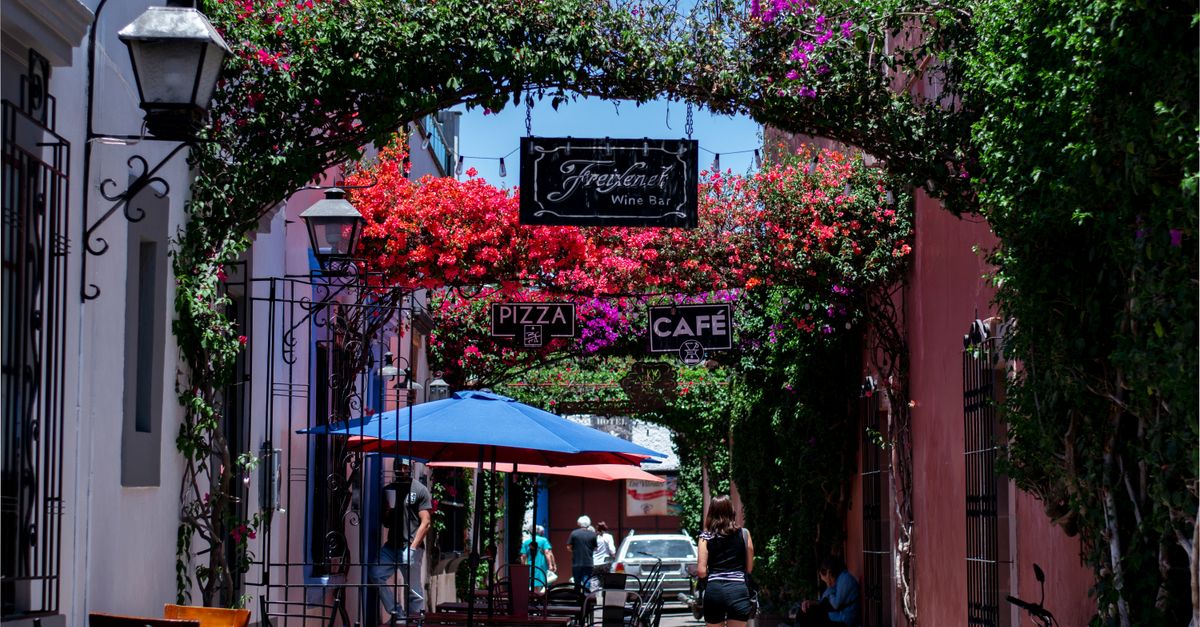
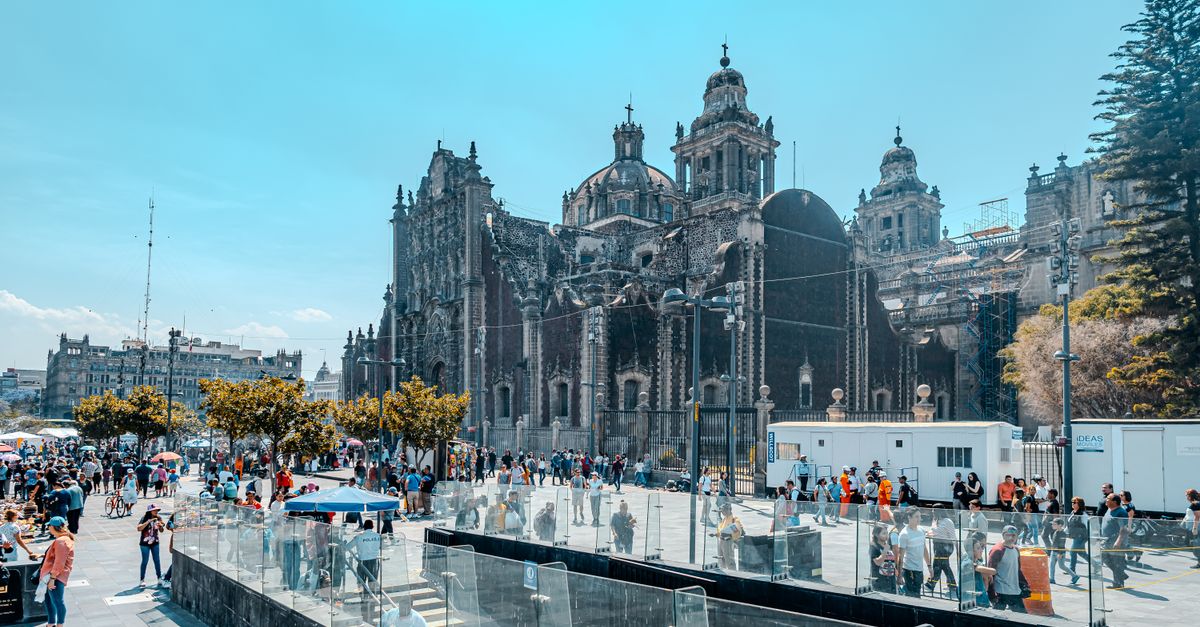
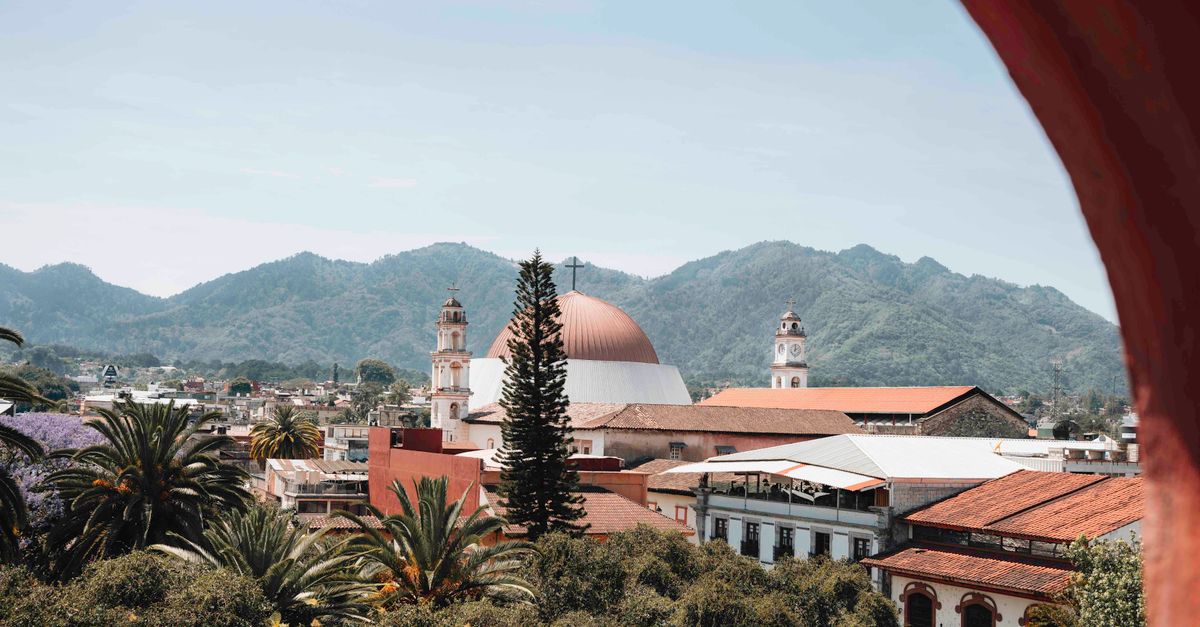
Oaxaca for the best food in the country and a fraction of the price. Guanajuato and San Miguel de Allende for the colonial interior. Mexico City for one of the world's great cities at a very ordinary cost, which our areas guide and three-day route cover. The Pacific coast, Puerto Escondido, Sayulita and Zipolite, for beaches at interior prices.
If the Caribbean is the point, the cenotes and the ruins are the same regardless of where you sleep, and Valladolid or Mérida inland are half the price with the same day trips.
2. The comida corrida
A set multi-course lunch at a fixed low price, served in ordinary places everywhere in the country. Soup, a main, rice, tortillas and agua fresca.
This is what people eat on a working day and it is where a lot of the best food is. Eating this way is not a compromise.
Markets are the other half. The mercado in any town has a food section, and it is consistently better and cheaper than the restaurants around the square.
3. Buses, not flights
Mexico's long-distance buses are excellent and the premium classes, ADO GL and ADO Platino, are comfortable enough for overnight journeys.
They are far cheaper than flying for anything under about eight hours, and booking online a few days ahead is cheaper than at the terminal, sometimes by half.
Within cities, Mexico City's metro is among the cheapest in the world at a flat fare per journey, and app cars are inexpensive everywhere.
4. The month
Avoid Christmas, Easter and July to August, which are the Mexican domestic holidays and the peak for the coast.
November and early December are the sweet spot: dry season, warm, and before the northern winter arrivals. Our Mexican calendar has the year and our Thanksgiving guide makes the case for late November specifically.
Day of the Dead in early November is extraordinary and is also the one time Oaxaca and Mexico City are genuinely expensive.
Where the money leaks
The airport taxi at Cancún. The single biggest single-transaction overpay in Mexican travel. The ADO bus runs from the terminal to Playa del Carmen and Cancún centre for a fraction of it.
The lodging tax, charged on top of the room rate and shown at the desk rather than in the compared price. Ask for the all-in nightly figure.
Cenote entry fees on the Riviera Maya, which have risen sharply and vary enormously between the famous ones and the ones five minutes further on.
Dollar pricing. In tourist areas, prices quoted in dollars are almost always worse than the same thing quoted in pesos. Pay in pesos, and decline the offer to be charged in your own currency at a terminal.
And ATM fees. Withdraw larger amounts less often, and use bank ATMs inside branches rather than the standalone machines in tourist areas, which charge substantially more.
Where to spend
Tipping, which matters more here than in most of the region because wages depend on it. 10 to 15 per cent in restaurants, small change for bag packers and attendants, and a few pesos for the person watching cars.
A guide at the archaeological sites. Teotihuacán, Monte Albán and Palenque are all vastly better with one and the cost is small.
And the mezcal. Oaxaca's is the reason a lot of people come back.
Checked 21 Aug 2026.
Everything we check for Mexico →The safety question, briefly
It is a real question and it deserves a proper answer rather than a reassurance. Our Mexico City safety guide answers it by neighbourhood and by hour, which is the only useful way, and the same method applies elsewhere.
For a budget trip specifically: the money-saving decisions that carry risk are overnight buses on certain routes and walking in unfamiliar areas at night. Premium bus classes and app cars remove most of it for very little.
Visa-free · 180 days, on all five passports we check.
Short tourist stays only. Checked 21 Aug 2026; rules change without notice and the government page is the source of truth.
Check your own passport →Before you book
Is Mexico City safe answers the question properly, and where to stay in Mexico City has the neighbourhoods.
The Mexican calendar decides the month and the three-day route is the city.
Spring break destinations makes the case for Mexico away from the Caribbean strip in March.
The budget hub collects the rest and the Mexico country page has the practical layer.
Prices checked September 2026 against current listings and Visit Mexico. Lodging taxes are set at state level and differ across the country, and ADO publishes its intercity fares online, which are lower booked ahead than at the terminal.