Two days in Madrid
The Prado and the Reina Sofía are both free in the evening, which reshapes a two-day route. Where the hours are, the Madrid clock, and one thing to skip.
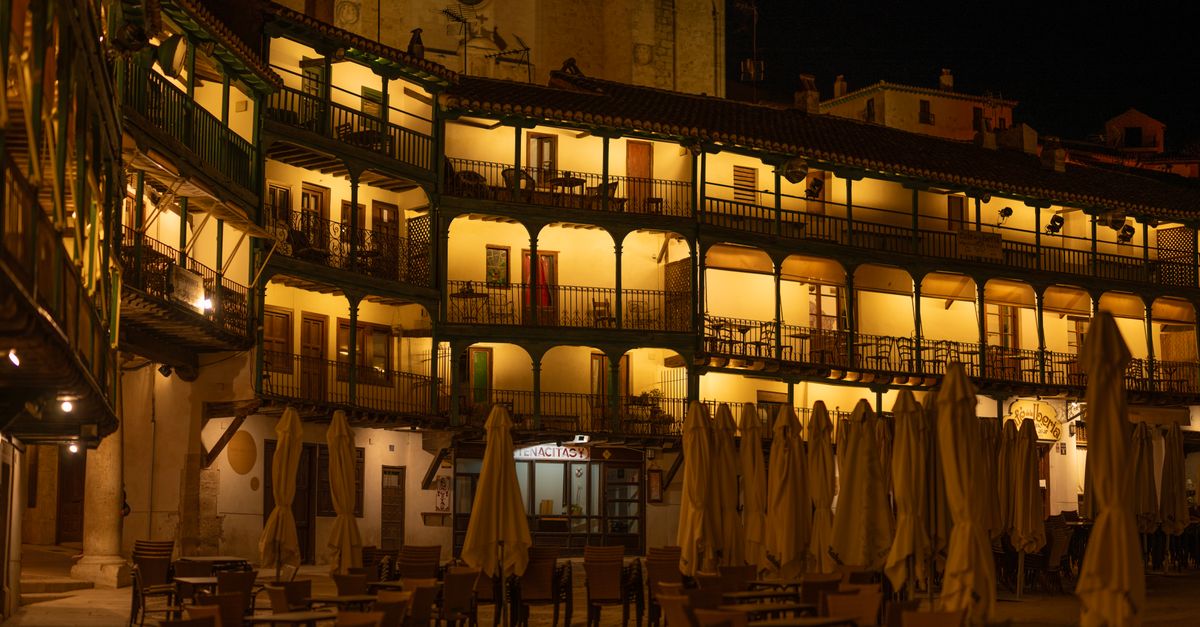
Photo · Mikkel Kvist · Pexels
Madrid is an art city and a night city, and a two-day route should be built around both rather than around monuments.
Two facts shape the days. The big galleries have free evening hours, and Madrid eats late, which means the afternoon is longer than you are used to and the evening starts when you would normally be finishing.
Euro. Convert any figure on this page into your own currency at today's published rate.
Open the currency converter →The free hours, which reshape the route
The Prado and the Reina Sofía both offer free entry for the last part of the day, and the windows differ between them and shift with the season.
Check each museum's own page rather than a guide, because these change. The Prado publishes its current free hours.
The honest trade: it is a real saving and it is also the busiest hour in both buildings, with a queue that forms well before the doors. If money is tight, take the free hour. If the paintings are the point, pay and go at opening, when the Prado's Velázquez rooms are close to empty.
Day one: the Prado, the Habsburg centre, and the night
Morning: the Prado, at opening. Go straight to Las Meninas before anyone else does, then the Goya black paintings, then Bosch's Garden of Earthly Delights. Two hours is enough and three is better than five.
Late morning: the Retiro, next door. The Crystal Palace, the lake, and the Rose Garden. This is the city's living room.
Lunch at two, because that is when lunch is.
Afternoon: the Habsburg centre. Plaza Mayor, the Mercado de San Miguel for a look rather than a meal, Plaza de la Villa, and the lanes around Cava Baja.
Early evening: the Palacio Real, which is the largest functioning royal palace in western Europe, and the cathedral opposite it.
Evening: tapas on Cava Baja, from about eight. This is the correct way to eat in Madrid: one thing and one drink per bar, then move.
Day two: the modern city and one more gallery
Morning: the Reina Sofía, for Guernica. The room is usually crowded and the preparatory sketches around it are the part people miss.
Or the Thyssen-Bornemisza, which is the best of the three if you want to see the whole history of European painting in one building rather than a national collection.
Late morning: Malasaña and Chueca. The two districts north of Gran Vía, full of independent shops, vermouth bars and the best coffee in the city.
Lunch, then the afternoon in La Latina, especially if it is Sunday, when the Rastro flea market takes over the neighbourhood and the vermouth bars fill afterwards.
Late afternoon: the Templo de Debod at sunset. An actual Egyptian temple, given to Spain in the 1960s, sitting in a park on a rise on the western edge of the centre with the best sunset view in Madrid. It is free.
Evening: a flamenco tablao, and Madrid has genuine ones, or the Sunday-evening vermouth if the timing lands.
If you have a third day
Toledo, thirty minutes by high-speed train: a walled hill city with a cathedral, a synagogue, a mosque, and El Greco's greatest works hanging where he painted them.
Or Segovia, half an hour on the same network, for a Roman aqueduct running straight through the middle of a living town.
Toledo is the better single day, and both are easy without a car.
What we would skip
Skip eating in the Mercado de San Miguel. It is a beautiful iron market hall and it is now a tapas food court at visitor prices. Walk through it, then eat on Cava Baja, five minutes away, for half the money and twice the food.
Skip the flamenco dinner show in favour of a tablao where the music is the product rather than the accompaniment.
Skip trying to do all three big galleries in two days. They are enormous and the returns fall sharply. Two galleries maximum, and one of them properly.
The Madrid clock
Lunch from two. Dinner from nine or ten. Kitchens in the centre often do not open before eight thirty, and a restaurant at seven means an empty room.
The bars bridge it. From about seven, tapas and a drink, standing up, moving every twenty minutes. That is not a snack before dinner, for a lot of people it is dinner.
And the afternoon is longer than you think. Between three and seven the city is quiet, which is the time for the second gallery or the park.
Checked 21 Aug 2026.
Everything we check for Spain →When to go
May, June, September and October. Madrid sits on a plateau at 650 metres, which makes it hot in a way people underestimate: July and August regularly pass 35 degrees and the city partly empties.
Winter is cold, dry and clear, and it is the cheapest time and a very good one for the galleries. Our Spanish calendar has the rest and the April guide covers the spring festivals, including the 2027 dates for the Feria in Seville.
Short tourist stays only. Checked 21 Aug 2026; rules change without notice and the government page is the source of truth.
Check your own passport →Before you book
Where to stay in Madrid has the districts, and two days in Seville is the natural pairing on the high-speed line south.
The ten-day Spain route puts both in sequence, and the Spanish calendar decides the month.
The itineraries hub collects the rest and the Spain country page has the practical layer.
Museum hours and free-entry windows checked September 2026 against the Museo del Prado and Spain's national tourism office. Free hours change with the season and with public holidays, so confirm on the museum's own page in the week you travel.