Italy with kids, where the child discount changes at every city border
Italy with kids by age band, with the tourist tax exemption ages that differ in every city, the sights that survive a six-year-old and the ones that do not.
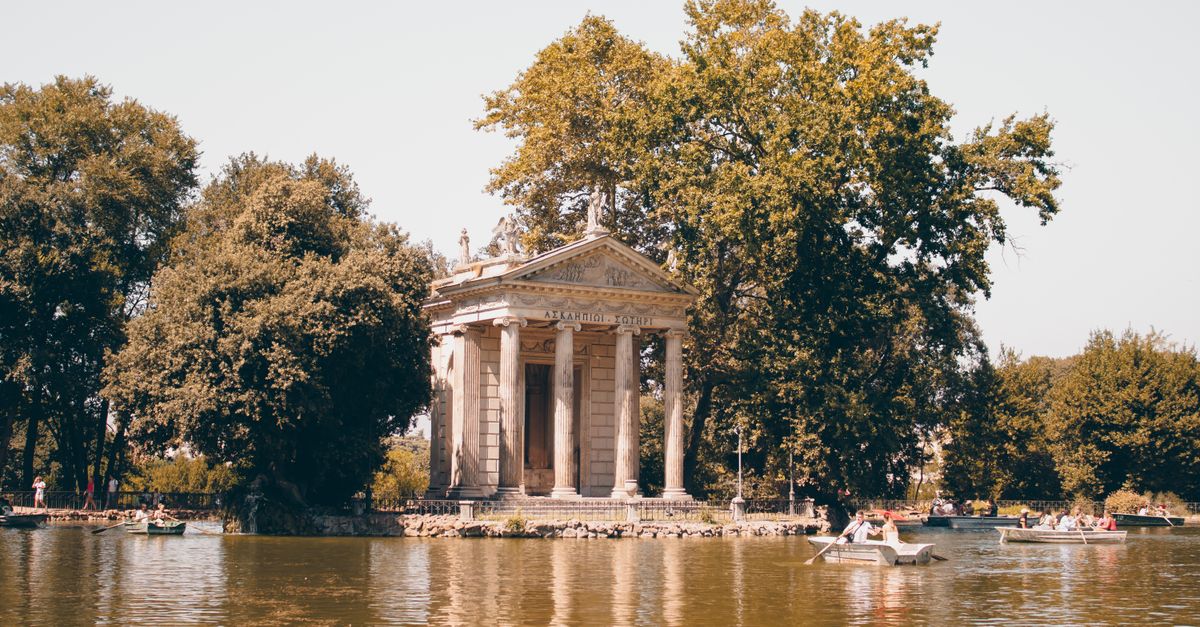
Photo · Alessandro Carrarini · Pexels
Italy is one of the easiest countries in Europe with children, and the reason is cultural rather than practical. Italian restaurants are genuinely pleased to see a child, dinner is a family event that runs late, and nobody minds a four-year-old running in a piazza at nine at night.
The hard part is that Italy's headline attractions are queues, corridors and old stones. The trick is to build the trip around the piazzas and the coast and treat the museums as one-hour visits.
Euro. Convert any figure on this page into your own currency at today's published rate.
Open the currency converter →The tax that changes at every city boundary
Italy's tourist tax is set city by city, and so is the age at which children stop paying. There is no national rule, which surprises almost every family.
What is commonly quoted:
| City | Child exemption |
|---|---|
| Rome | under 10 |
| Florence | under 11, though some sources say under 12 |
| Venice | under 14, for the overnight tax |
| Milan | under 18 exempt entirely |
Where we have to be honest: the sources disagree on Florence, and municipal rules change without much announcement. Treat the table above as the shape of the answer and confirm the exact age with your property, which is the body actually collecting it.
Two things that do hold generally: the tax is charged per person per night, and it is usually capped at around seven consecutive nights in most cities.
Milan is the outlier worth knowing, because under-18s are exempt entirely there, which on a family trip is a genuine saving. Where to stay in Milan has the full Milan schedule, which changed twice in 2026.
What actually works, by kind of place
Rome, for a first visit
The Colosseum works with children, because it is a building they have seen in films and it is outdoors. Book a timed slot on the archaeological park's own site, which is cheaper than every reseller and is where the family and under-18 concessions are actually applied.
The Vatican Museums do not, under about eight. It is a long, hot, crowded corridor ending at one ceiling. If you go, book the first slot of the day, walk briskly, and accept it.
What genuinely lands in Rome: the Bocca della Verità, a stone face that allegedly bites liars; gelato; the Trevi Fountain at eight in the morning before it fills; Villa Borghese with its bicycles and rowing boats; and the cats at Largo di Torre Argentina. Rome with kids has the full version.
The Bay of Naples, for ruins plus sea
This is the best structural answer in Italy with children, because it puts the archaeology and the swimming within half an hour of each other.
Herculaneum over Pompeii with under-tens. It is far smaller, so you can actually finish it, and it is better preserved, with upper floors and wooden fittings. Pompeii is enormous and largely unshaded, and a family that walks into it at noon in July will regret it.
Then the coast, or Ischia, or Procida, which is the small unfashionable one and the best of the three with children.
Tuscany or Puglia, for a slow week
A villa or an agriturismo with a pool, and one thing a day.
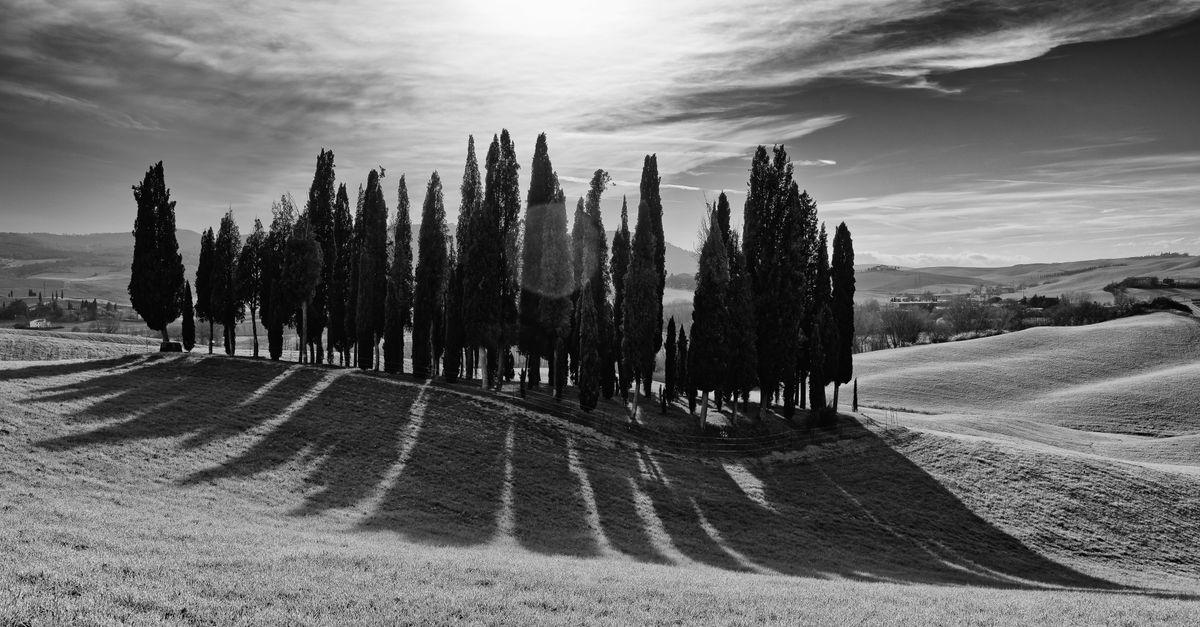
Italy's rural family week is the one that people remember, and it is the least photographed version of the country. Siena's Piazza del Campo, where children sit on the slope of it; the towers at San Gimignano; Alberobello's trulli in Puglia; a farm that lets children feed things.
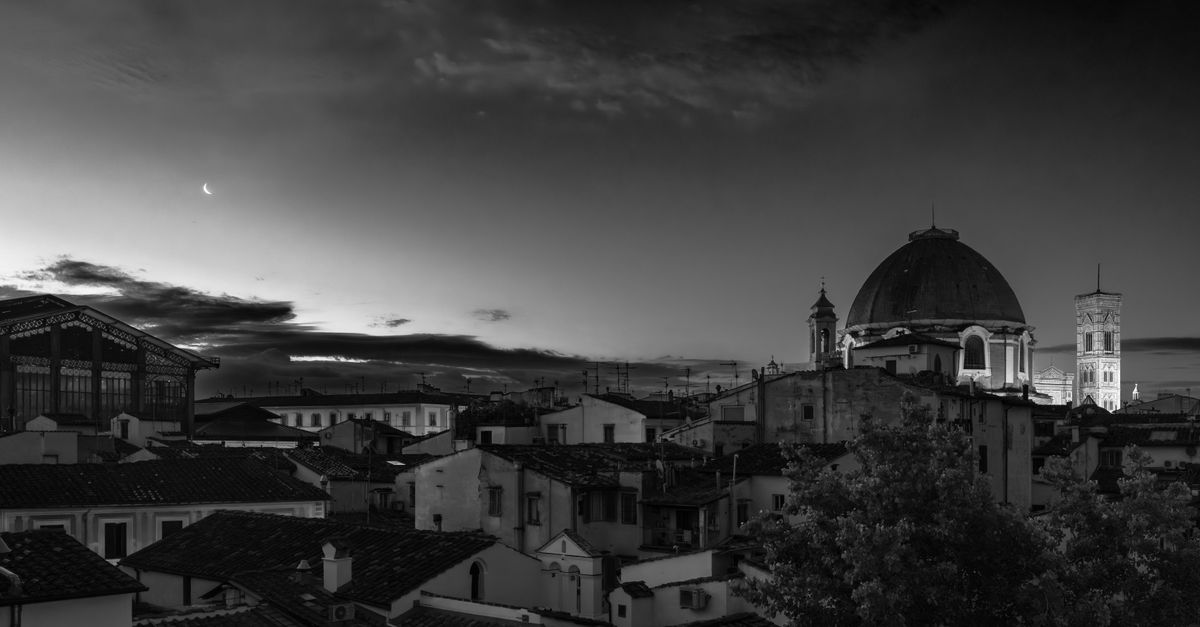
Florence is a half-day out of a Tuscan week, not a base. The Uffizi is not a children's museum and the city is very hot and very full in summer.
The lakes and the Dolomites, in August
If you must travel in August, go north. Lake Garda has the best combination in the country of swimming, a mountain backdrop and family infrastructure, including a large theme park. The Dolomites are cool, and the cable cars and the mountain huts are excellent with children who can walk.
Rome and Florence in August are hot, full and half-closed, because Italians take their own holidays then.
Eating out, which is Italy's superpower with children
Almost nothing here needs planning. Children are welcome, high chairs are normal, and nobody expects a five-year-old to sit still for two hours.
What helps:
- Eat at 7.30pm, which is early for Italy and which most places will serve.
- Ask for "una porzione piccola" or a plain pasta; every kitchen will do it and most will not charge much for it.
- Pizza al taglio, sold by weight from a counter, is the best cheap lunch in Italy and requires no ordering skill.
- Gelato is a legitimate meal component and a gelateria with pale, flat, covered tubs is usually better than one with bright peaks.
- Water is the one thing to ask about. Restaurants sell bottled water and Rome in particular has excellent free public drinking fountains, the nasoni, so carry bottles.
The age bands
Under three. Cobbles are the enemy. A carrier beats a pram in most historic centres, and lifts are rarer than you would like in older buildings. Otherwise easy.
Three to six. Piazzas, fountains, gelato, boats, beaches. One sight a day at most, in the morning.
Seven to eleven. The Colosseum, Pompeii or Herculaneum, Vesuvius, the leaning tower, and a gladiator school or a cooking class, both of which exist and both of which work.
Twelve and up. The 10 day adult route works essentially unmodified, with more food stops.
Short tourist stays only. Checked 21 Aug 2026; rules change without notice and the government page is the source of truth.
Check your own passport →Checked 21 Aug 2026.
Everything we check for Italy →What to skip
The Vatican Museums with under-eights.
A four-city fortnight. Trains, queues and no swimming. Two bases, one of them coastal.
Rome or Florence in August.
Booking a historic-centre apartment on the fourth floor without a lift. Very common, often the cheap one, and brutal with a pram and luggage.
Restaurants with photographs of the food outside, anywhere near a major sight.
Assuming a child's tourist tax exemption applies. The whole first section.
Before you book
Rome with kids is the city version in detail, and the 10 day Italy itinerary is the adult route. The best time to visit Italy has the month table, day trips from Rome has Herculaneum and Ostia with the free-Sunday rule, and the Amalfi coast towns covers the coast properly. Paris with kids is the same guide for the other great European family city, and how to plan a family trip is the method.
The Rome city guide and the Italy country guide carry the practicalities, and there is more in the with kids hub. When you are ready, Rome rooms are here and the bookable half is here.
Tax exemption ages checked September 2026 and recorded above as contested for Florence, because the sources do not agree. They are set municipally and change without much announcement, so Italy's national tourism site and your own property are better sources for the exact age than any guide, this one included.