Flying with a toddler, and the one harness that is actually approved
Flying with a toddler, with the lap-infant fare that is not free, the bassinet limits that differ by airline and the only harness approved for use in flight.
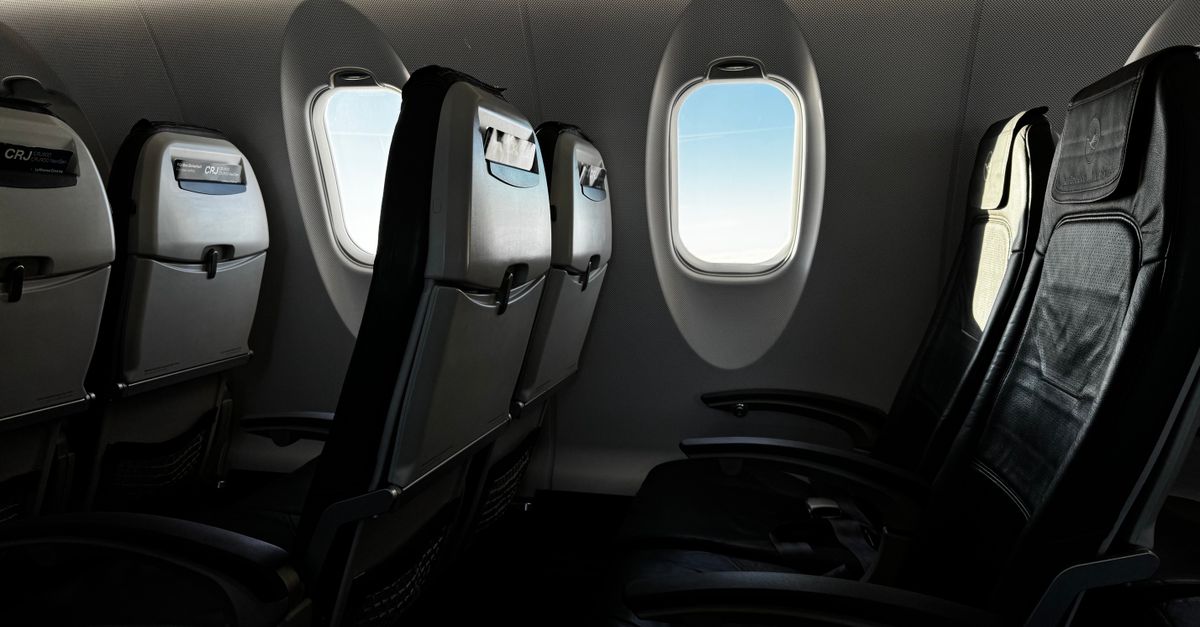
Photo · Lennard Schubert · Pexels
Flying with a toddler is mostly logistics, and the logistics are more knowable than the internet suggests. Three things decide how the flight goes: whether the child has their own seat, what they are restrained in, and how you handle the descent.
Everything else is snacks.
The seat question
Under two, a child can travel on an adult's lap. Whether they should is a different question.
On a short flight, a lap is fine. Two hours is survivable in any configuration.
On a long-haul flight, buying the seat is the single biggest improvement you can make, and experienced parents are close to unanimous on it.
Two reasons, and the safety one comes first. In unexpected turbulence, an adult cannot reliably hold a child, and lap-held infants are the passengers most often injured. A child in their own seat in an approved restraint is demonstrably safer.
And then: everyone sleeps. A toddler who can lie or sit properly sleeps. A toddler on a lap sleeps in twenty-minute increments and so does the adult underneath them.
It is expensive, and it is the cost most parents say afterwards they would pay again.
What you are allowed to strap them into
This is where a lot of confusing and wrong information circulates, so here is the short version.
Approved car seats can be used in a seat you have purchased. The seat needs the correct approval label for aircraft use, so check the sticker before you go to the airport, not at the gate.
Harnesses: there is essentially one. CARES is the only harness-type child restraint approved for use in flight, and it is designed for children aged one and over weighing roughly 22 to 44 pounds. It is a webbing harness that loops around the seat back and works with the ordinary lap belt, it weighs almost nothing, and it packs into a pouch.
Vest and harness devices other than CARES are not permitted on major carriers, whatever a marketplace listing claims about them. The US aviation regulator publishes the rules on child restraint devices, and most airlines' policies track them.
Practical conclusion: on a long-haul with a one to four-year-old, CARES is lighter than a car seat, does the job, and does not have to be carried through three terminals.
Bassinets, and why the limits are not standard
Bassinets clip to the bulkhead wall on long-haul aircraft. There are very few per cabin.
Request one at the moment you book. They are allocated to whoever asked first, not at check-in.
The limits differ by airline rather than following a common standard. One major carrier allows a bassinet for infants up to about 25 pounds and 26 inches long, on widebody international flights and longer widebody domestic ones. Another caps it at under two years and about 20 pounds.
So check your specific airline's figure, because a general number from a guide will be wrong for roughly half of readers.
And know that a bassinet is for sleeping in, not sitting in. It has to be vacated for turbulence and for take-off and landing, which is precisely when a sleeping baby will wake.
The descent, which is the part that hurts
Ear pain on the way down is the most common bad moment of a flight with a small child, and it is largely preventable.
The mechanism is simple: the middle ear needs to equalise and a small Eustachian tube does not do it automatically. Swallowing opens it.
So: feed on the climb and on the descent. A bottle, a breastfeed or a dummy for a baby. A drink, a snack, or a lollipop for a toddler old enough to have one safely.
Start earlier than you think. The descent begins about forty minutes before landing, not when the wheels come down, and by the time a child is screaming the pressure change has already happened.
If the child has a cold, expect it to be worse, and consider whether the trip can move.
The things that actually work on board
A new small thing every hour, wrapped. Not one big toy. The wrapping is half the entertainment.
A change of clothes for the child and one for you. The adult spare is the one people forget and the one they need.
More nappies than the flight length suggests, because delays happen on the ground with the seatbelt sign on.
Food they already like. A flight is the wrong moment to introduce anything.
A window seat if the child is old enough to care, an aisle if they are not, because with a baby you will be up more than you expect.
Board last, not first, with a walking toddler. Pre-boarding sounds like a privilege and it means forty extra minutes strapped into a seat. Send one adult ahead with the bags and let the other run the child around the gate until final call.
The family packing list has the whole bag, including what the liquid rules actually allow for milk and medicine.
Airports, briefly
Most large airports have family lanes at security, and staff will usually wave a pram forward. Ask.
Prams can normally be taken to the aircraft door and are returned there or at baggage reclaim, and which of the two varies by airport. Ask at check-in, because a pram sent to the hold at check-in is a long walk with a toddler on your hip.
Liquids for babies are exempt from the volume limits in the US, UK and EU, including formula, breast milk and baby food, but you must declare them before screening starts.
What to skip
Assuming an international lap infant is free.
A vest or harness that is not CARES.
Pre-boarding with a walking toddler.
A brand-new toy or snack you have not tested.
Overnight flights with a toddler who does not sleep in strange places, unless you have no choice. The theory is that they sleep. Some do.
Apologising to the whole cabin in advance. Most people were children once and a good number have had one.
Before you book
Long haul flights with kids covers the twelve hour version of this and the passport rule that catches families out, and the family packing list has the bag. How to plan a family trip is the method behind the whole desk.
For where to actually go: Singapore with kids and Dubai with kids are the two easiest long-haul destinations with small children, Italy with kids and Paris with kids are the European options, and Thailand with kids and Bali with kids are the Southeast Asian ones. There is more in the with kids hub and the packing hub, and the trip planner will hold the whole thing in one place.
Fare structures, restraint approvals and bassinet limits checked September 2026. Airline policies differ from one another and change, so your airline's own family travel page and the regulator linked above are better sources for your specific flight than any guide, this one included. Here is how we research and re-check guides.