South Korea for first-timers
Korea is easier than Japan and less signposted, and two admin details decide the trip. The card, the entry rule, the route, and what a day actually costs.
Photo · Saksham Vikram · Pexels
Korea is one of the easiest countries in Asia for a first trip: excellent transport, signed in English throughout, safe at any hour, and small enough to cross in under three hours.
Two pieces of admin decide how smoothly it starts, and both are easy to get wrong.
South Korean won. Convert any figure on this page into your own currency at today's published rate.
Open the currency converter →The two admin things
1. The transport card, which is not your bank card
Get a T-money card. About 2,500 won at any station machine or convenience store, then top it up with cash.
This is not optional in the way it is in London or Sydney. Contactless bank cards do not work on Korean public transport the way visitors expect, and the T-money is what everyone uses.
It covers the subway, buses and convenience stores, and transfers between subway and bus are free within a time window, which makes it substantially cheaper than single tickets. Our Seoul areas guide has the detail.
2. K-ETA, if it applies to you
Many nationalities enter visa-free, and several of those need K-ETA, an electronic travel authorisation applied for online before departure.
The requirement has been waived and reinstated for different nationalities at different times, which is exactly the kind of thing that makes older guides wrong. The official portal is the only place to check, and it is also the only place to apply.
Check your own passport close to travel. The card below reads the one you have chosen.
Short tourist stays only. Checked 21 Aug 2026; rules change without notice and the government page is the source of truth.
Check your own passport →How long, and the route
Four days for Seoul, which our four-day itinerary sets out.
Ten days for the country, which our ten-day route covers: Seoul, Gyeongju, Busan and one more.
A week does Seoul, Busan and one stop comfortably, because the KTX crosses the country in under three hours. Korea is genuinely compact and a ten-day trip here covers far more ground than ten days in Japan would.
The stop most people skip and should not: Gyeongju, the old Silla capital, which is an open-air museum of tombs, temples and Buddhist grottoes and is the most historically dense place in the country.
What a day costs
Korea is noticeably cheaper than Japan, and the gap is widest on food and drink.
A comfortable day in Seoul covers a mid-range room, eating out twice, transport and an attraction, and comes in well below the Tokyo equivalent. Our Seoul or Tokyo comparison has the round-by-round.
Where the money goes further: eating. Korean restaurants serve banchan, the small side dishes, free and refilled, and a shared grill for two is inexpensive by any standard.
Where it does not: coffee, which is expensive, and fruit, which is startlingly so.
The food, which is the reason to come
Eat where the plastic stools are. Korean everyday eating is social, loud and built around sharing.
The things to have: Korean barbecue cooked at the table, bibimbap, sundubu jjigae, naengmyeon in summer, and tteokbokki from a street cart.
The convention worth knowing: most Korean restaurants specialise in one thing. A barbecue place does barbecue. Looking for a menu with everything on it takes you to worse food.
Solo dining has historically been less common and is now entirely normal in Seoul, and some traditional restaurants still have two-person minimums on certain dishes.
What first-timers get wrong
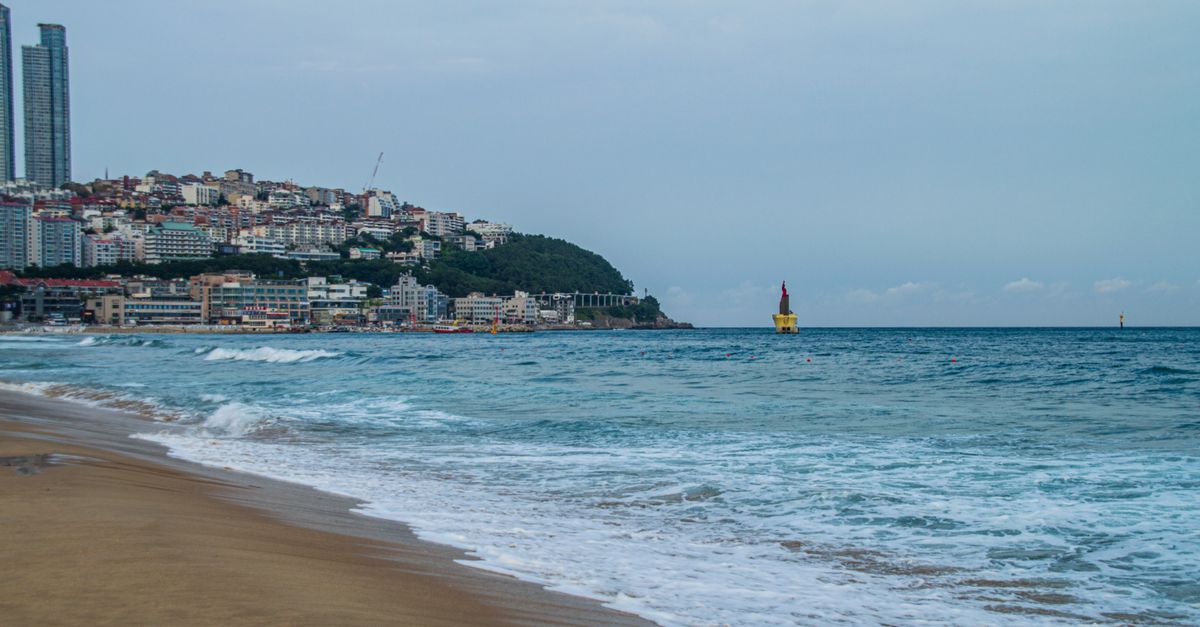
Only doing Seoul. It is a great city and Korea is more than it. Busan in particular is a completely different place: coastal, warmer, more relaxed, with the best seafood in the country.
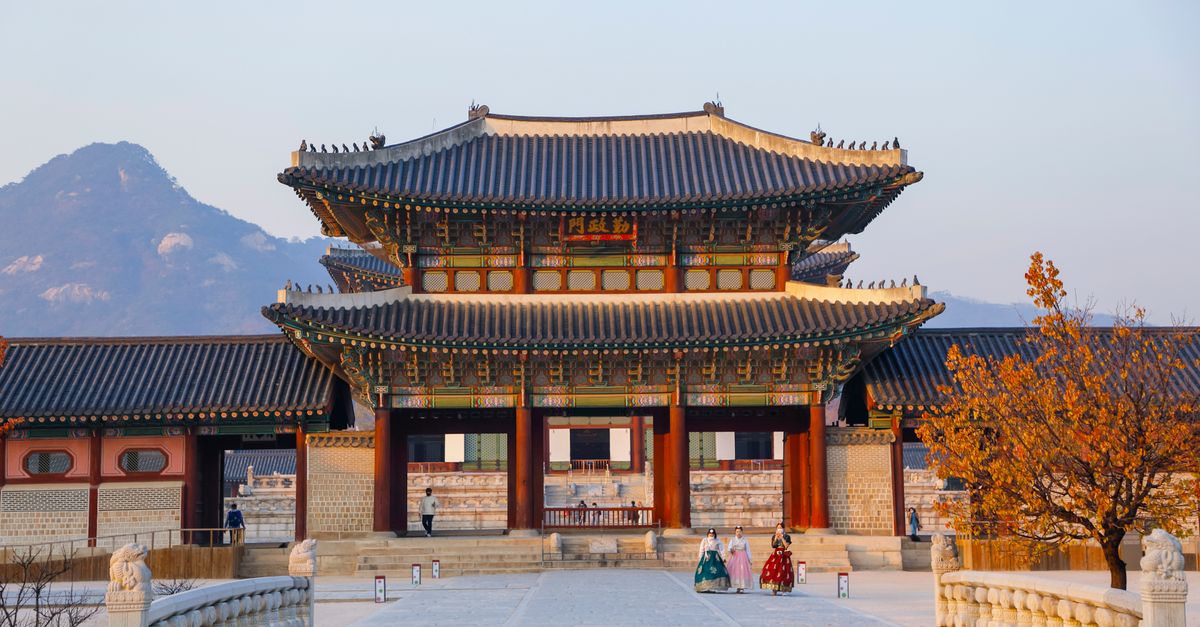
Underestimating the palaces. Gyeongbokgung and Changdeokgung both need two hours rather than forty minutes, and wearing hanbok gets you in free, which is a genuine deal and the reason for all the people in traditional dress.
Missing the DMZ, which needs booking ahead through an authorised operator and is genuinely worth a day.
Booking the wrong side of the river. Our Seoul areas guide is blunt: stay north of the Han unless Gangnam is specifically why you came, because everything a first visit wants is on the north side and the gap is 30 to 40 minutes.
And expecting Japan. Korea is faster, louder, more direct and less choreographed. People who love Japan for its order sometimes find Korea abrupt, and people who find Japan reserved usually prefer Korea immediately.
Checked 21 Aug 2026.
Everything we check for South Korea →The small practical things
Shoes off in guesthouses, temples, some restaurants and any home.
Two hands when giving or receiving something from someone older, and when pouring a drink.
Tipping is not practised and can cause confusion.
Wifi is everywhere and fast, and a local SIM or eSIM is cheap.
Convenience stores are infrastructure, open all night, with genuinely good food and seating.
Naver Map or Kakao Map, not Google Maps, which has restricted mapping data in Korea and gives poor walking directions as a result. This is the single most useful practical tip for a first trip.
When to go
May, and then late September into October.
May is mild, dry, everything is in flower, and it comes before the humidity. Our Korean calendar has the detail and our May guide argues it is one of the best-value long-haul trips of that month.
Summer is hot, humid and includes a monsoon. Winter is genuinely cold and is excellent for the food and the skiing.
One date to avoid: Chuseok, the autumn harvest holiday, when the whole country travels and much of Seoul closes.
Before you book
Four days in Seoul is the city and the ten-day route is the country.
Where to stay in Seoul has the north-of-the-river rule, and Seoul or Tokyo is the comparison if the trip is not fixed.
The first trips hub collects the rest and the South Korea country page has the practical layer.
Entry requirements and transport details checked September 2026 against the official K-ETA portal and Visit Seoul. K-ETA requirements have been waived and reinstated for different nationalities at different times, so check close to travel rather than relying on any guide. Here is how we research and re-check guides.