Two days in Dubai
Two days is the right length and most routes spend them in malls. The creek, the desert and the metro, with the deck booking that has to be done early.
Photo · Tito Zzzz · Pexels
Two days is the right length for Dubai, and most two-day routes spend them in malls.
The shape that works: the old city on day one, the modern city on day two, with the desert in between if you have a third.
We have written at length about whether Dubai is worth visiting at all, and the short version is yes, for three or four days, if you go to the version of the city below rather than the advertised one.
UAE dirham. Convert any figure on this page into your own currency at today's published rate.
Open the currency converter →Day one: the creek, which is the good bit
Morning: Deira. Start at the Gold Souk, then the Spice Souk beside it. Go early, before ten, when the traders are opening and the lanes are not full.
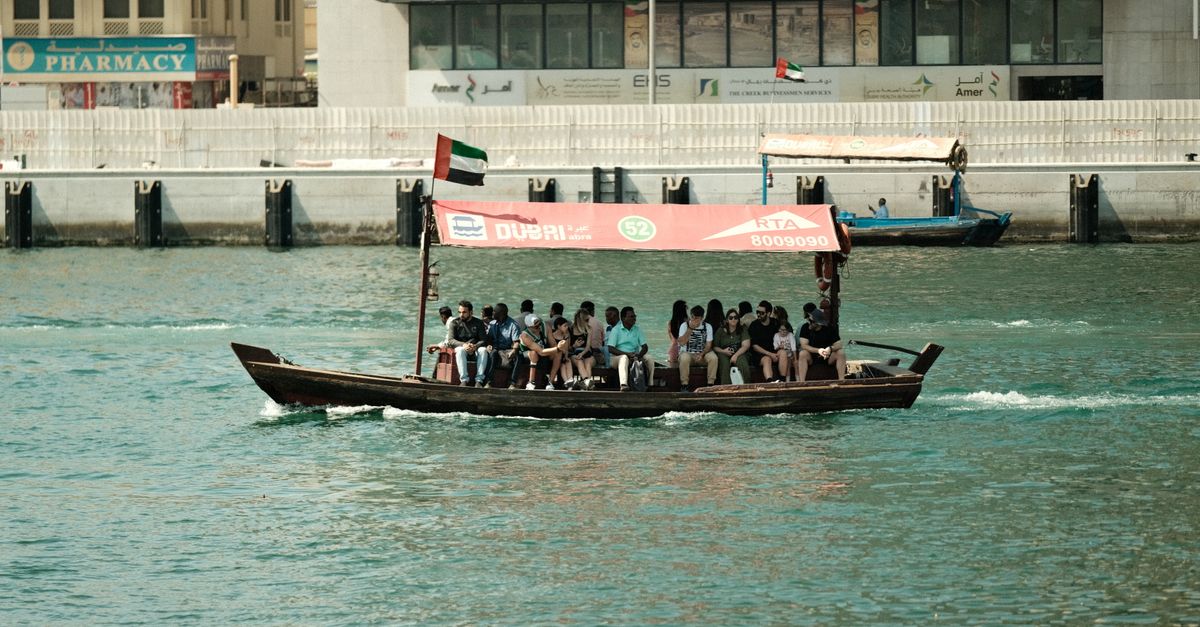
Then the abra. The wooden crossing boats have run the creek for a century, they leave when full, and they cost one dirham. It is the best value transport in any city on earth and the crossing is four minutes.
Late morning: Al Fahidi, the historic quarter on the Bur Dubai side. Coral and gypsum houses with wind towers, the Dubai Museum in the fort, and the Sheikh Mohammed Centre for Cultural Understanding, which runs a genuinely good meal-and-questions session where you can ask anything.
Lunch: Bur Dubai or Karama, where the South Indian and Pakistani food is the most under-sold thing about the city and costs a fraction of the marina.
Afternoon: Al Seef, the redeveloped creekside stretch, and the Dubai Frame if you want a view without the Burj Khalifa price. It is better than it sounds.
Evening: Alserkal Avenue in Al Quoz, a warehouse district turned into galleries and independent coffee, which is where the actual cultural life of the city is.
Day two: the modern city, efficiently
Morning: the Burj Khalifa, and book a mid-morning slot rather than sunset.
The arithmetic is the useful part. Sunset slots are the most expensive and sell out weeks ahead, and the afternoon haze over the city builds through the day. A morning slot is cheaper, quieter and clearer. If sunset is the point, book it a month out.
Then the Dubai Mall for the aquarium wall and the souk section, and out to the fountain.
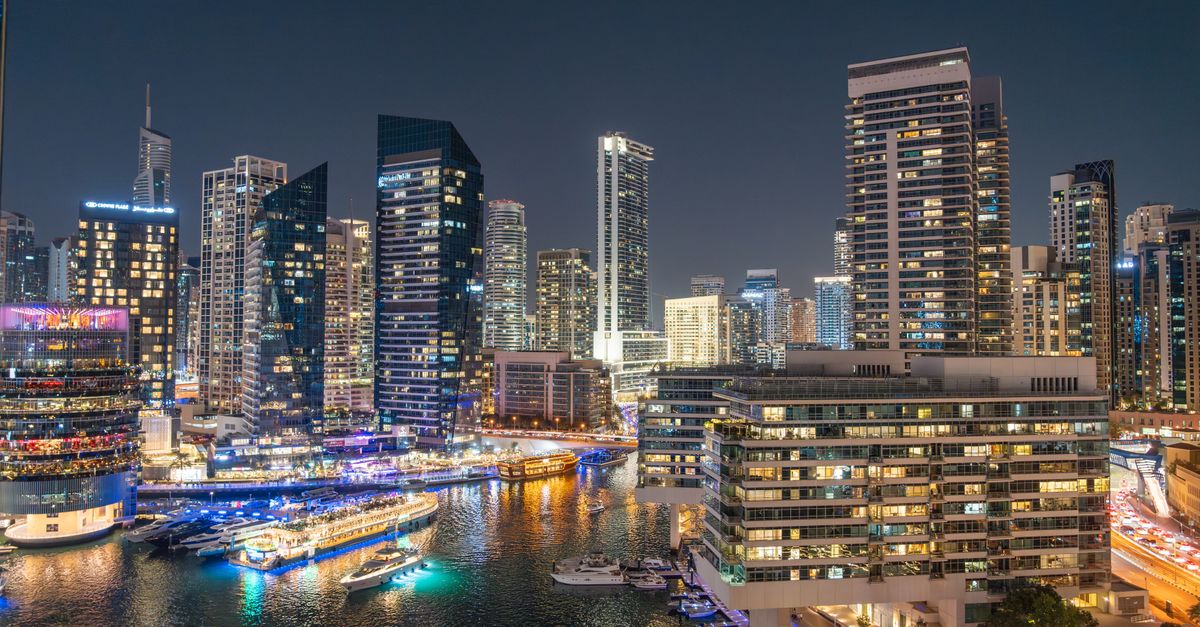
Lunch, then the afternoon by the water. The Marina walk, JBR beach, or Kite Beach, all free and all normal public beaches.
Late afternoon: the Museum of the Future, if you want one modern building, which is worth the ticket for the exterior alone and books out at weekends.
Evening: the Dubai Fountain, watched from the terrace of a cafe on the lake rather than from the crush at the rail, which costs about the same as the crush and includes a drink.
If you have a third day: the desert
Go small. The mass-market desert safari collects forty people in a convoy of identical vehicles, drives them to a camp with a buffet and a dance show, and returns them at ten.
The good version is a small vehicle, a private or quiet camp, and the late-afternoon light, which is the entire reason to go. The price difference is real and so is the difference.
Or Abu Dhabi, ninety minutes away, for the Sheikh Zayed Grand Mosque and the Louvre Abu Dhabi. It is a genuinely different day and it is the better third day if the desert does not appeal.
Getting around
The metro. Driverless, cheap, air-conditioned, and it runs the length of the city along Sheikh Zayed Road. Buy a Nol card at any station. The operator publishes fares and the network.
Taxis are metered and inexpensive for the gaps the metro leaves.
The abra for the creek, at one dirham.
Not a hire car for two days. Parking, tolls and the road network are a tax on a short trip.
What we would skip
Skip the coach desert safari. Covered above.
Skip the sunset Burj Khalifa walk-up. Also covered above, and it is the most expensive ticket for the worst conditions.
Skip the beach club minimum spend when Kite Beach and JBR are free, clean and busy in the ordinary way.
And skip planning a week here. Two to four days is right. Dubai is one of the best stopover cities in the world and a thin two-week holiday.
The rules that apply
Shoulders and knees covered in public is the sensible default and is expected rather than optional in Deira, Bur Dubai and government buildings. Swimwear is for the beach and the pool.
Alcohol is legal for visitors in licensed venues, and public drunkenness is treated seriously.
During Ramadan, daytime eating, drinking and smoking in public are restricted for visitors too, hours shift, and the evenings are one of the better times to be in the city.
Checked 21 Aug 2026.
Everything we check for United Arab Emirates →When to go
November to March. Comfortable days, usable beaches, the outdoor season running, and the highest rates of the year.
June to September the heat is genuinely dangerous in the middle of the day and the city moves indoors entirely. Rooms are cheapest then and there is a reason.
April, May and October are the honest shoulder. Our November guide covers the wider Gulf season.
Visa-free · 30 days, on all five passports we check.
Short tourist stays only. Checked 21 Aug 2026; rules change without notice and the government page is the source of truth.
Check your own passport →Before you book
Is Dubai worth visiting answers the bigger question and has the hotel-tax arithmetic, which adds a fifth to a quarter to the rate you compared.
Where to stay in Dubai has the areas and the metro times, and Dubai with kids has the family version.
The itineraries hub collects the rest and the UAE country page has the practical layer.
Transport and attraction detail checked September 2026 against Dubai's Roads and Transport Authority and Visit Dubai. Attraction slot pricing varies by hour and by season, so compare the same time of day when checking a quote. Here is how we research and re-check guides.