The digital nomad packing list, built around the four things that end trips
A digital nomad packing list built around the four failures that end trips, plus the documents to carry and the one bag decision that shapes everything.
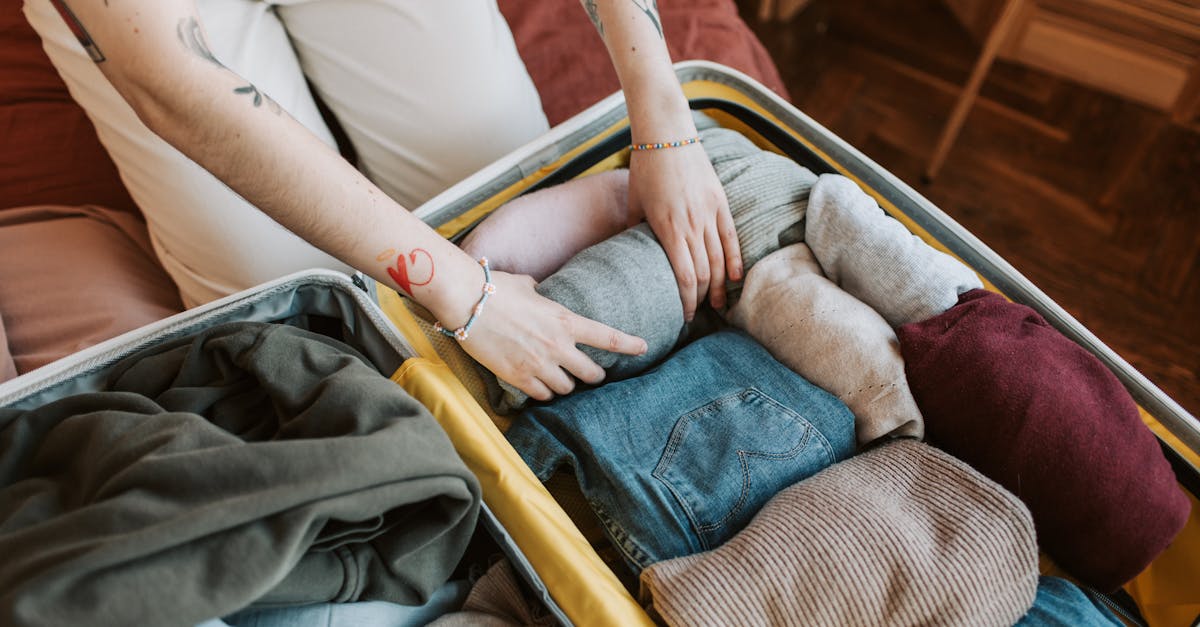
Photo · Pixabay · Pexels
Most nomad packing lists are gear reviews. This one is built around the four things that actually stop people working, because everything else can be bought where you land.
Those four are: no internet, no power, no money, and no documents. In that order of frequency.
Failure one: no internet
This is the most common and the most preventable.
The scenario is always the same: the flat advertised fibre, the fibre does not work or the router is in a locked cupboard, and there is a Monday deadline.
The fix is redundancy, and it is cheap.
- An eSIM with a data plan, bought before you land, in every country. This is
the single most valuable item on this page.
- A phone that can hotspot, with the data plan to support a working day on
it.
- Test the accommodation's connection in the first hour, not on day three.
Run a real upload, not a speed test, because upload is what a video call needs and it is what cheap connections fail at.
- Know where the nearest coworking space is before you need it.
Book accommodation for a week before committing to a month. A flat that looks right and works badly is a month lost, and a week is a cheap test.
Failure two: no power
Less dramatic and more annoying.
- A universal adapter that takes your laptop's charger. This is the specific
failure: many cheap universal adapters will not physically accept a large three-pin laptop brick. Test it at home with the actual charger.
- Check the voltage before you plug anything in. Most modern laptop and phone
chargers handle 100 to 240 volts and most hair dryers and some clippers do not. The essentials tool has plug type and voltage by country, and the IEC maintains the international plug and voltage standards behind those answers.
- A short multi-socket extension turns one adapter into four and means you
are not hunting for a second one.
- A power bank that can actually charge a laptop, if your laptop takes USB-C.
Failure three: no money
A frozen or lost card is the most common non-medical emergency on this circuit, and it is entirely survivable if you prepared and genuinely difficult if you did not.
- Two cards from two different banks, kept in two different places. Not two
cards from the same account.
- A small amount of cash, in a currency that is useful where you are.
- Tell your bank where you are going, still, because fraud systems still
freeze cards on an unexpected country.
- Know your bank's international phone number and have it offline. A frozen
card usually cannot be fixed from inside the app.
Failure four: no documents
- Passport with plenty of validity. Many countries want six months beyond
your dates, and a visa run to a neighbouring country will check it.
- A second form of photo ID, kept somewhere other than your wallet.
- Printed and digital copies of your visa, your insurance policy and your
vaccination records.
- Proof of onward travel, which airlines check more often than immigration
does.
- Prescriptions, in your own name, for anything you carry.
- Your insurance emergency number, offline.
Store the digital copies somewhere that works without your phone, because the scenario where you need them is often the scenario where your phone is gone.
The bag decision
Carry-on only, if you can.
Not as minimalism. As arithmetic. You will move perhaps six times a year, and every move without a hold bag is a move without a baggage wait, without a transfer risk and without your work equipment travelling separately from you.
Most people converge on this within a year regardless of what they started with.
What it means in practice: a 35 to 45 litre bag, a laptop bag that fits inside or counts as a personal item, and packing for about a week of clothes.
The exception is climate. A year that includes Chiang Mai and a European winter is two wardrobes, and the sensible answer is to buy the winter one when you get to the winter, not carry it through the tropics for four months.
The clothes, where everyone over-packs
One week of clothes. You will do laundry, and in most of Asia and Latin America laundry is a service that costs almost nothing.
What earns its place:
- Merino or synthetic, not cotton. Dries overnight, does not hold smell.
- One outfit you can meet a client in. A video call has a top half; a real
meeting has a whole one.
- Shoes: two pairs maximum. One worn, one packed.
- A light rain layer that packs to nothing.
What does not: the fourth pair of shoes, anything that needs ironing, and clothes for a version of the year you are not having.
The equipment, honestly
What actually matters:
- The laptop, and whatever your income genuinely depends on.
- Noise-cancelling headphones, which are the closest thing to a portable
office. Cafés, buses, flights, thin walls.
- A laptop stand and an external keyboard. Six months hunched over a
laptop on a low table is a neck problem you will still have in year two, and this is the most commonly skipped item that people most regret skipping.
- Cables and chargers, one of each, not five.
What people carry and rarely use: a camera they have a phone for, a second monitor, a drone, and a hard drive that a cloud sync has replaced.
On backup: not a second laptop, but a working assumption that your laptop could disappear tomorrow. Everything in the cloud, syncing continuously, and passwords in a manager you can reach from a borrowed machine. Test that. Log in from a different computer before you leave and find out what breaks.
The small things that turn out to matter
- A door stop or a rubber wedge. Weighs nothing, and it is the cheapest
security upgrade in a shared building.
- A quick-dry towel, because a surprising number of long-stay flats do not
supply one.
- Earplugs and an eye mask. You are going to sleep in a lot of rooms with a
street outside.
- A basic medical kit, with rehydration sachets, which are the single most
useful item in it.
- A padlock, for lockers, hostels and luggage.
- A refillable water bottle, plus a filter if you are somewhere the tap water
is not drinkable. The essentials tool tells you which countries those are.
What to skip
A hold bag, if you can avoid it.
A second laptop. Sync instead.
Carrying a winter wardrobe through the tropics.
An annual travel policy as your visa health cover. Check the trip-length cap.
Two cards from the same bank.
Buying gear before you have picked a first destination. The climate decides half this list.
Before you book
How to become a digital nomad covers the visa, tax and money layer that this list sits under. Digital nomad Chiang Mai, digital nomad Lisbon, digital nomad Medellín, digital nomad Da Nang and digital nomad Mexico City are the city guides, and the best digital nomad cities for 2027 ranks them. The family packing list is the same exercise with children attached, and has the current airport liquid rules. There is more in the packing hub and the nomad life hub, and the packing tool will build a list against your actual destination.
Insurance requirements checked September 2026. Visa health cover minimums are set per country and several specify benefit levels rather than just requiring cover, so the World Health Organization's international travel and health guidance and each scheme's own rules are better sources than any guide, this one included. Here is how we research and re-check guides.