Day trips from Barcelona, and the combined ticket that rarely pays
Six day trips from Barcelona with 2026 prices and train times, plus why the Montserrat combined ticket costs more than most people's actual day.
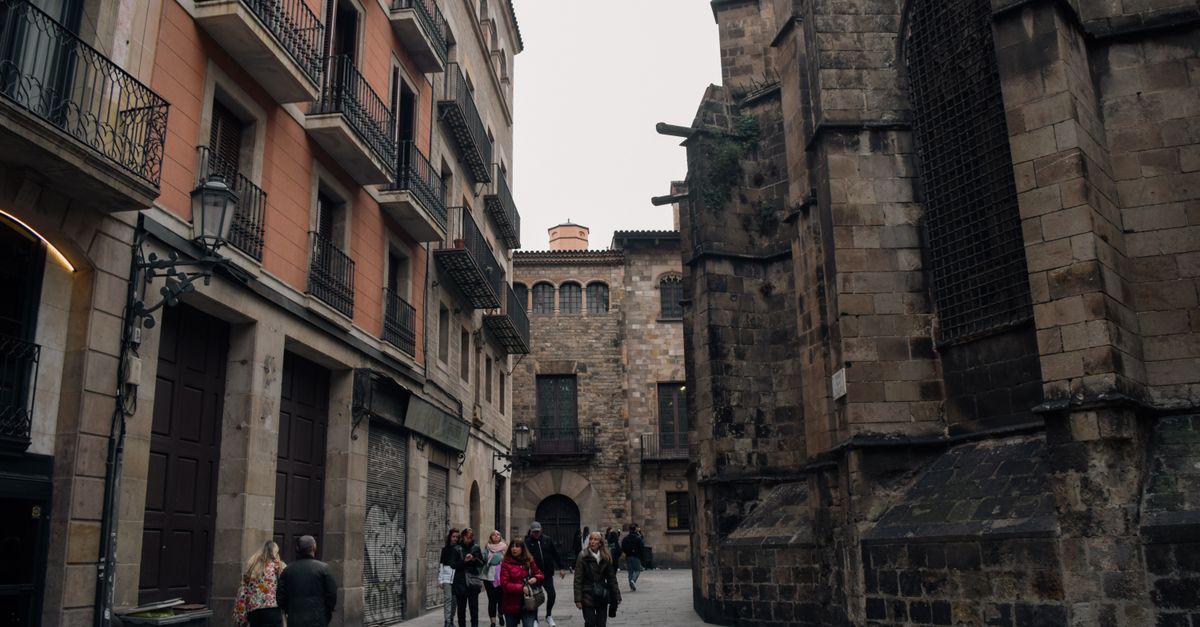
Photo · Karolina · Pexels
Barcelona is unusually well placed for day trips, because Catalonia is small and the regional railway is good. Five of the six below are under ninety minutes and none needs a car.
Before the list, one purchase to think about rather than default to: the Montserrat combined ticket is worse value than it looks.
Euro. Convert any figure on this page into your own currency at today's published rate.
Open the currency converter →1. Montserrat, and which ticket
About an hour on the FGC R5 from Plaça Espanya, then ten to fifteen minutes up the mountain.
Montserrat is a serrated ridge of conglomerate rock with a Benedictine monastery built into it, the Black Madonna, and the Escolania, one of the oldest boys' choirs in Europe, which sings on most weekdays at set times and is the reason to arrive by late morning.
Getting up the last stretch:
| Adult | Child 4–13 | |
|---|---|---|
| Cremallera rack railway, one way | €8.70 | €4.35 |
| Cremallera rack railway, return | €14.50 | €7.25 |
The Aeri cable car is the alternative from a different station and is quicker and more dramatic, and it stops running in bad wind.
On the Tot Montserrat ticket, around €71.50: it bundles the metro, the train, the rack railway or cable car, both funiculars, the museum and a self-service lunch.
Do the sum against your actual day. If you are not eating the included lunch, not visiting the museum and not riding both funiculars, you are paying for four things to use two. Buy the train and the rack railway separately unless your day genuinely includes all of it.
The thing to actually plan: the two funiculars from the monastery. Sant Joan goes up for the ridge walks and the views; Santa Cova goes down to a chapel on a cliff path. Take Sant Joan and walk back down, which is about an hour and is the best part of the day.
Check the return timetable before you go up. The R5 thins out in the evening and the last useful connection is earlier than people expect.
2. Girona
38 minutes on the high-speed line, which is the fastest meaningful escape from the city.
A complete medieval town: the Call, one of the best-preserved Jewish quarters in Europe, the cathedral with the widest Gothic nave in the world and the staircase that Game of Thrones used, the coloured houses on the Onyar, and the city walls you can walk.
It also eats extremely well for a town of a hundred thousand people.
Half a day is enough and a full day is better, and it pairs naturally with Figueres on the same line.
3. Figueres and the Dalí Museum
About 1 hour 16 on the high-speed train, or around two hours on the regional service at roughly €12 to €18 each way.
The Teatre-Museu Dalí is a museum Dalí designed himself, in a theatre he half-destroyed, and he is buried under the floor of it. It is not a collection of paintings hung on walls; it is a single enormous artwork containing paintings.
The museum is a twelve minute walk from the station, which makes this one of the easiest day trips on the list.
Combine with Girona. Figueres in the morning, Girona in the afternoon, both on the same line back.
4. Sitges
About 40 minutes on the R2 regional line down the coast.
Seventeen beaches, a long promenade, a compact whitewashed old town on a headland, and a church that every photograph of the town is taken from.
This is the beach day, and it is a far better one than Barceloneta.
Sitges is also one of Europe's best-known gay resort towns, with a Carnival in February that is a serious event and a busy Pride. Those are weeks to go to deliberately or to avoid deliberately, depending on what you want from the day.
5. Tarragona
About an hour by regional train, or 35 minutes on the high-speed line to Camp de Tarragona, which is out of town.
Roman Tarraco: an amphitheatre on the beach, a circus under the medieval town, an aqueduct outside the city, and a walled old quarter above the sea. It is the best Roman site in Spain and it is quiet.
6. The Costa Brava, if you have a car
An hour and a half to two hours north, and the one trip on this list that is genuinely better driven.
Cadaqués, where Dalí lived, reached over a mountain road and worth every minute of it. Calella de Palafrugell and the coastal footpaths, the camins de ronda, that link the coves.
Without a car, do Girona and Figueres instead, which reach the same region by rail.
Two things about the trains
The regional trips are cheap and unbookable, in the good sense: R5 to Montserrat, R2 to Sitges, regional to Tarragona all run on ordinary fares bought on the day.
The high-speed trips reward booking ahead. Girona and Figueres are on the line to France and are dramatically cheaper booked weeks out. Renfe's own booking site is the place to compare, and note that Ouigo and Iryo also run parts of this network, so the same seat has more than one price.
Short tourist stays only. Checked 21 Aug 2026; rules change without notice and the government page is the source of truth.
Check your own passport →Checked 21 Aug 2026.
Everything we check for Spain →What to skip
The Tot Montserrat ticket, unless you are using all of it.
Montserrat on a Sunday. It is a working monastery and a Catalan pilgrimage site, and Sunday is when Catalonia goes.
A day trip to Valencia or Zaragoza. Both are on the high-speed line and both are three hours of your day on a train for a city that deserves a night. Spain in 10 days gives them the time.
Missing the Escolania. The choir sings on most weekdays at set times and the schedule varies with the church calendar and school holidays. If it matters, check before you pick the day.
The cable car in high wind. It stops, and then everyone is on the rack railway.
Booking a Costa Brava day trip by coach. The coast is a driving experience and a coach cannot get down most of the roads that make it worth going.
Before you book
Three days in Barcelona is the city itself, in the year the Sagrada Família was finished, and where to stay in Barcelona is the neighbourhood breakdown. Spain in 10 days puts Barcelona into the wider route on three competing railways, and where to stay in Seville and where to stay in Madrid cover the other anchors. Day trips from Rome is the same guide for Italy, and underrated European cities has where to go next.
The Barcelona city guide and the Spain country guide carry the practicalities, and there is more in the itineraries hub. When you are ready, Barcelona rooms are here and the bookable half is here.
Fares and ticket prices checked September 2026. The Montserrat funiculars and cable car run seasonal timetables and stop in bad weather, so Catalonia's own tourism board and the operators' pages are better sources for your date than any guide, this one included. Here is how we research and re-check guides.